When to Schedule an Electrical Inspection
An electrical inspection should be scheduled before a home purchase or sale, before major renovations, for older electrical systems, after damage, or when warning signs appear. Chris Miller Electric checks the electrical system, identifies safety concerns, and explains recommended corrections.
Request an Estimate
When Should You Schedule an Electrical Inspection?
An electrical inspection should be scheduled before a purchase or sale, before significant renovations, after electrical damage, and whenever the system shows warning signs. Chris Miller Electric checks the accessible system and explains which concerns need attention.
A homeowner may schedule an inspection to understand an aging system or plan future work. A home buyer can use a pre-purchase electrical inspection to review safety concerns before completing a home purchase, while a home seller can use a pre-sale electrical inspection to address visible issues before listing the property.
We also recommend scheduling an inspection when renovation plans may change the electrical load or add new branch circuits. Damage from water, impact, fire, or another event also calls for an assessment before affected equipment is used again.
Signs Your Electrical System Needs an Inspection
Warning signs show that an electrical inspection may be needed before a small concern becomes a larger safety problem. Our team examines the related equipment and explains the next repair step.
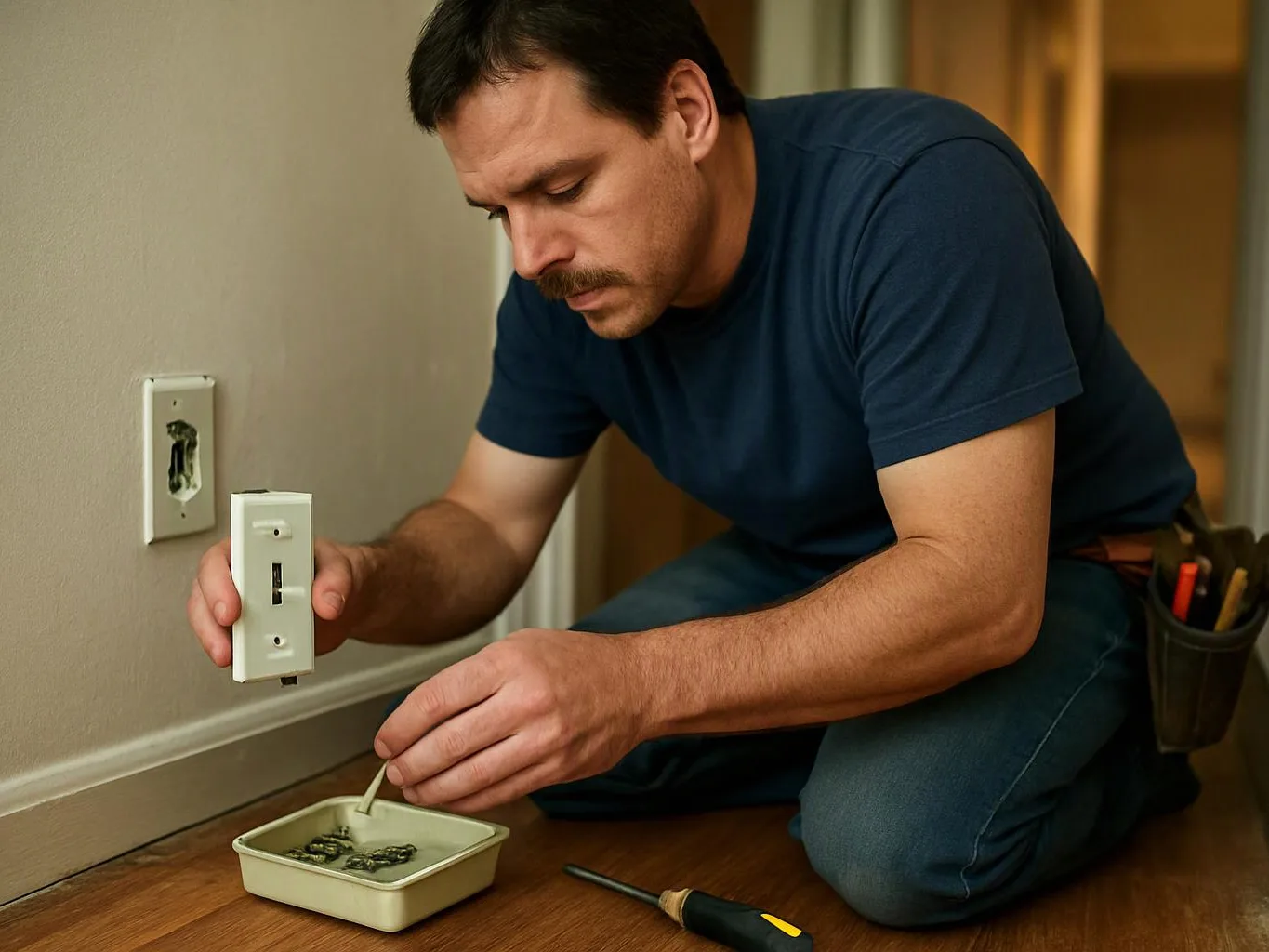
Turn off equipment that shows heat, smoke, or burning damage when you can do so safely. We inspect the affected circuit and identify whether an electrical code correction or electrical panel repair is needed.
Why Electrical Inspections Matter Before Buying or Selling
An electrical inspection gives buyers and sellers a clearer view of electrical safety, visible defects, panel condition, and issues that may require correction. Chris Miller Electric documents what we can observe and explains practical repair recommendations.
A home inspection may identify visible electrical concerns, but a focused electrical system assessment gives more attention to the service panel, circuit protection, wiring connections, outlets, switches, and grounding. The findings can help a home buyer understand possible safety work and help a home seller address concerns that may affect a property disclosure.
Electrical code correction may be needed when existing work is unsafe, damaged, or altered without proper protection. We separate urgent safety concerns from other repair priorities so the next decision is easier to make.
How to Prepare Your Home for an Electrical Inspection
A home is ready for an electrical inspection when the service panel, outlets, switches, and other accessible equipment can be reached safely. Preparation helps our team review the system without unnecessary delays.
Do not remove panel covers or attempt to repair wiring as part of an electrical inspection checklist. We handle the inspection work and explain any safe customer actions that may follow.
What an Electrical Inspection May Examine During a Renovation
An electrical inspection during a renovation examines whether the existing system can support the planned work and whether new or altered wiring is safe and code-compliant. We review the project scope before connecting new loads to the existing system.
Our team considers the expected electrical load, available service capacity, branch circuit layout, service panel condition, circuit protection, and grounding. We also look at how new outlets, lighting, appliances, or equipment will connect to the existing electrical wiring.
Renovation work may require an electrical code correction when older components cannot support the planned changes. We explain which work belongs in the renovation plan and whether electrical panel repair or another correction should come first.
Common Causes of Electrical Problems in Older Homes
Older homes often develop electrical problems as wiring, connections, and protective equipment age or as new loads are added. We inspect the system to connect the visible symptom with its likely source.
Older electrical systems should be reviewed before major renovation plans or the purchase of a home. We identify repair priorities without assuming that every older component requires full replacement.
What We Check During an Electrical Inspection
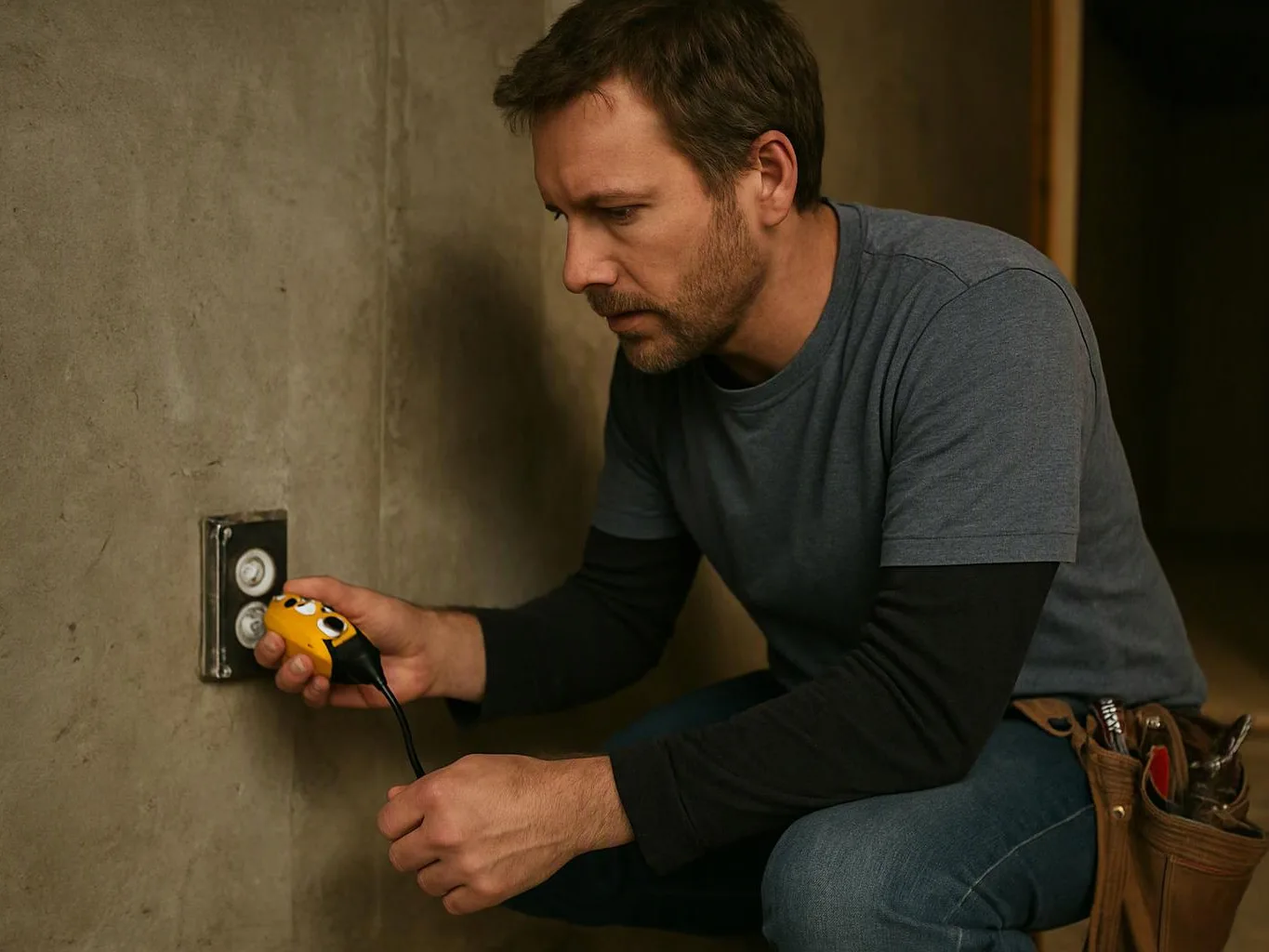
Chris Miller Electric checks accessible electrical equipment, panel condition, circuit protection, wiring connections, grounding, and visible safety concerns before explaining recommended corrections. Our team connects each finding to a clear repair priority.
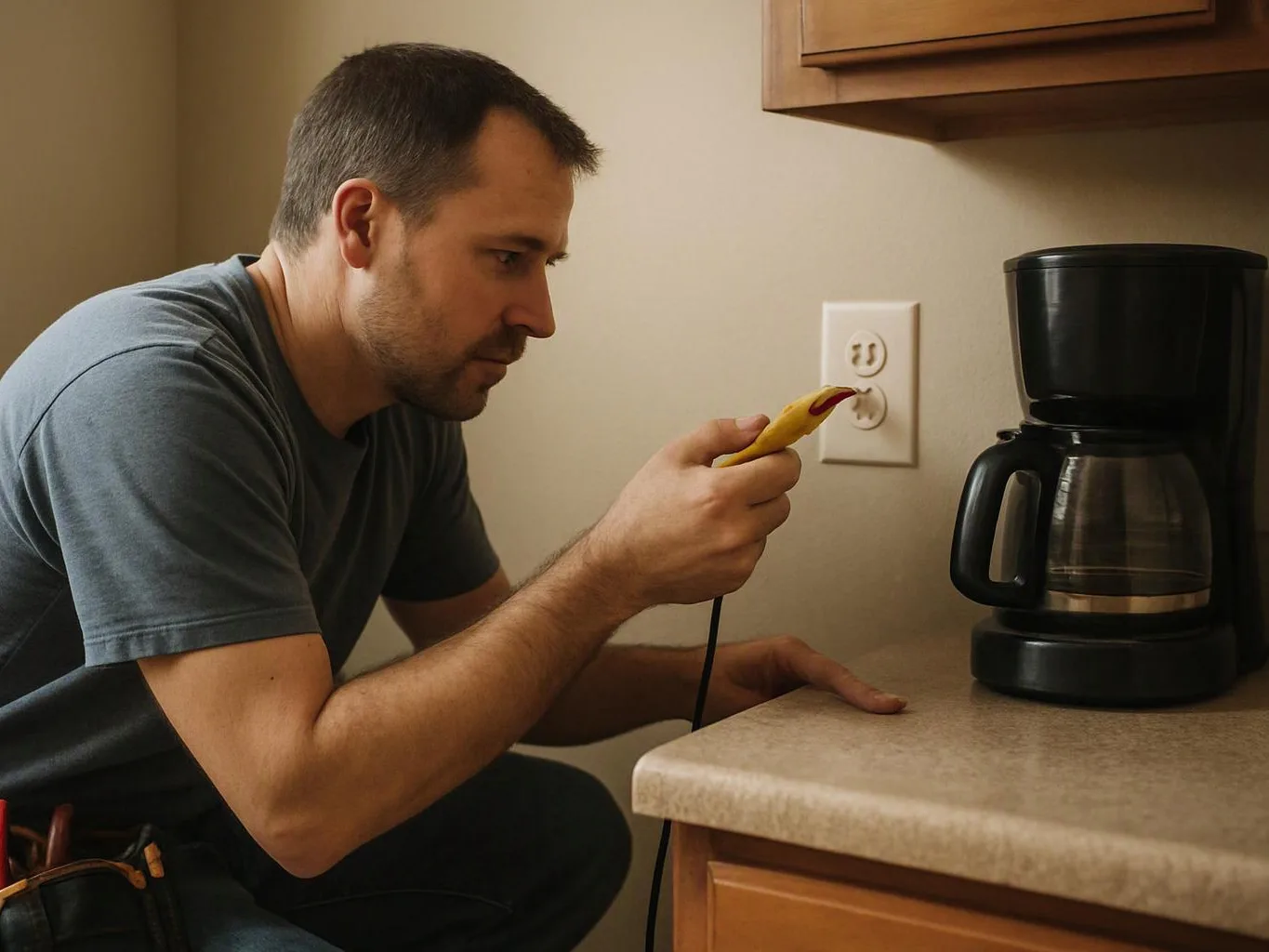
We examine the electrical panel for damage, overheating, labeling concerns, and suitable circuit breaker protection. We review accessible electrical wiring, outlets, switches, branch circuits, and the grounding system for visible defects or unsafe conditions.
We do not treat every observation as an emergency. Our inspection findings explain where an electrical code correction, electrical panel repair, maintenance task, or additional evaluation may be appropriate.
How to Reduce the Need for Emergency Electrical Repairs
Electrical maintenance reduces avoidable problems by keeping equipment in good condition and addressing warning signs early. Our team can help connect recurring symptoms with the right corrective work.
Call Chris Miller Electric when a breaker keeps tripping, an outlet shows heat, or wiring has visible damage. We inspect the condition before recommending a safe repair path.
What to Do After an Electrical Inspection
After an electrical inspection, review each finding, prioritize safety-related corrections, arrange needed electrical panel repair or code correction, and keep the inspection record with property documents. We explain the repair recommendations so you can plan the next step.
Separate urgent concerns from maintenance items and renovation-related improvements. Ask us which inspection findings affect safe use, which findings may affect a property disclosure, and which corrections should be completed before other work.
Keep electrical inspection records with panel information, invoices, permits, repair notes, and future inspection findings. Organized records help a homeowner, home buyer, or home seller understand what has been checked and corrected.
Questions About Scheduling an Electrical Inspection
Should I schedule an electrical inspection before buying a house?
Yes, a home buyer should schedule an electrical inspection before completing a purchase when the electrical system needs a closer review. Chris Miller Electric checks accessible equipment and explains visible defects, safety concerns, and possible repair priorities.
Should an electrical inspection be part of a home sale?
Yes, an electrical inspection can help a home seller understand visible electrical concerns before listing the property. The findings can support clearer property disclosure and help organize needed corrections.
What should I ask before scheduling an electrical inspection?
Ask what accessible equipment the electrical inspection covers, whether the service panel and branch circuits will be reviewed, how warning signs will be documented, and how repair recommendations will be explained. Also share renovation plans, recent damage, and available electrical records before the appointment.
Should I keep electrical inspection records after repairs?
Yes, keep electrical inspection records after repairs with panel details, repair documents, permits, and future inspection findings. Organized records help track electrical code correction and explain the property’s maintenance history.
Schedule an Electrical Inspection
Chris Miller Electric provides an electrical system assessment when a property milestone, renovation, aging system, damage, or warning sign calls for a closer review. Contact us to discuss the equipment involved and request an estimate based on the inspection needs.
Related Resources
How Long Does an Electrical Panel Upgrade Take in Fort Wayne, IN?
How Long It TakesWhole-Home Rewiring Timeline: How Long It Takes in Fort Wayne, IN
What It CostsHow Much Does an Electrician Cost in Fort Wayne?
What It CostsWhole-House Rewiring Cost Factors: Home Size, Access, Wiring Materials, and Project Scope