When an Appliance Keeps Tripping the Breaker
An appliance keeps tripping a dedicated circuit for several reasons. The load may exceed the breaker rating. The appliance may have an internal fault. Damaged, loose, or small wiring may also cause trips. Unplug the appliance, then reset the breaker once. Watch to see if the problem returns. Repeated trips need a professional electrical check. Burning smells, hot outlets, buzzing, flickering, or dim lights need quick attention. High-wattage appliances may need a dedicated circuit. This includes HVAC equipment, heat pumps, and motor-driven loads. Never install a larger breaker without an electrician's approval.
Get a Free Estimate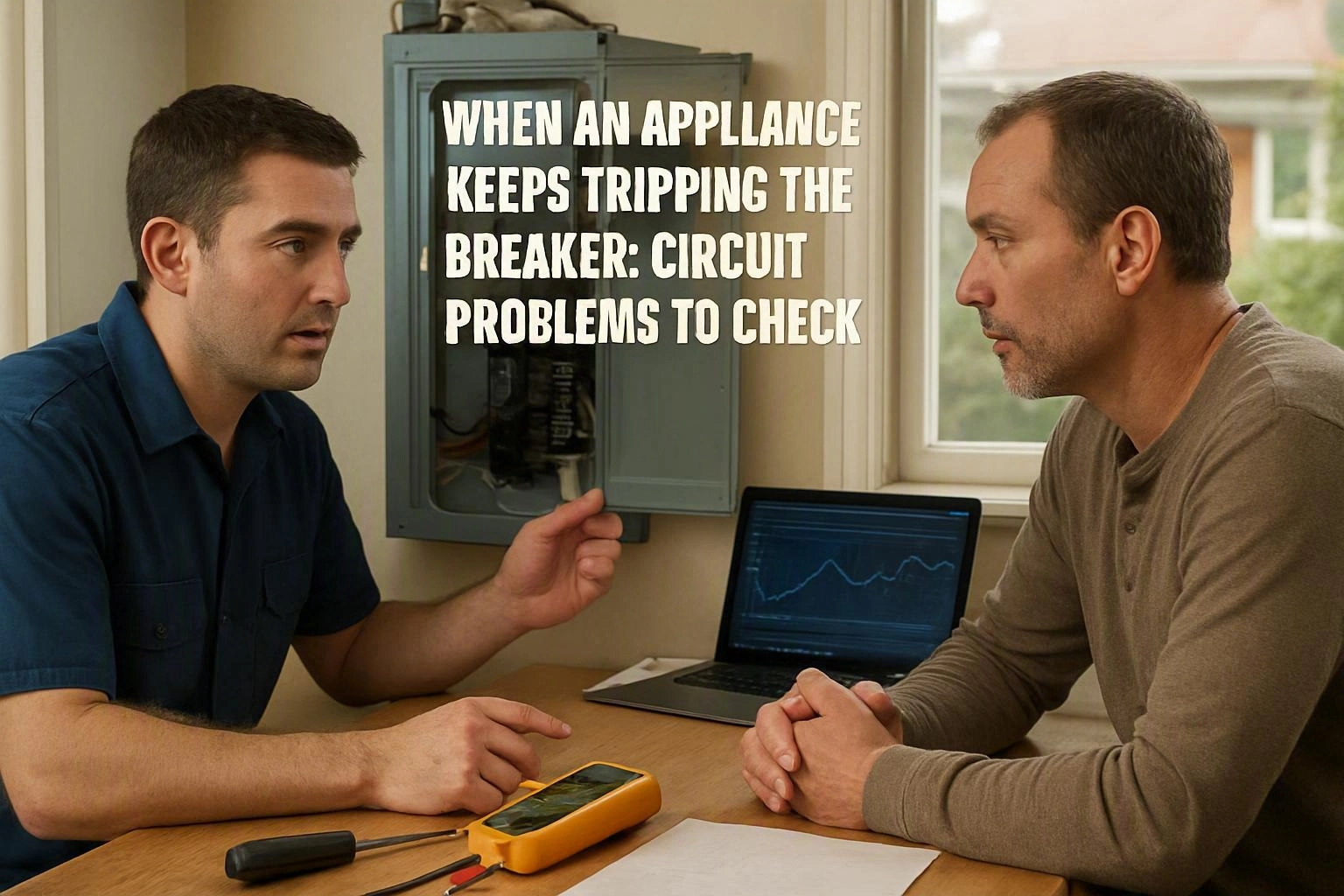
Why Does My Appliance Keep Tripping the Breaker?
Appliance circuit breaker tripping can signal an overload, fault, or wiring problem. The appliance may draw more current than the circuit can safely supply. It may also share the circuit with other loads. A damaged breaker, loose connection, small wire, short circuit, or ground fault can cause trips. Repeated trips need testing, not a stronger breaker.
Chris Miller Electric helps homeowners find the source of the problem. The issue may start at the appliance, outlet, or breaker panel.
Timing can offer an early clue. A trip at startup may point to motor startup current. A trip after several minutes may point to heat or overload.
A short circuit creates a very low-resistance path. It can cause an instant trip. A ground fault sends current along an unsafe path. Damaged insulation or moisture can cause this fault.
Both problems can cause serious danger. The breaker cuts power to protect the circuit. Never bypass it or install a higher-amperage breaker.
Other causes include loose terminals and damaged wires. An old breaker or worn cord may also cause trips. Our team checks the appliance rating and circuit size. We also test wires, connections, and grounding.
Signs an Appliance Circuit Needs Attention
Warning signs include repeated trips, hot outlets, burning smells, buzzing, and scorch marks. Flickering or dim lights can also signal trouble. These signs may point to heat, loose wires, overload, or a failing appliance. Stop using the equipment if these signs continue.
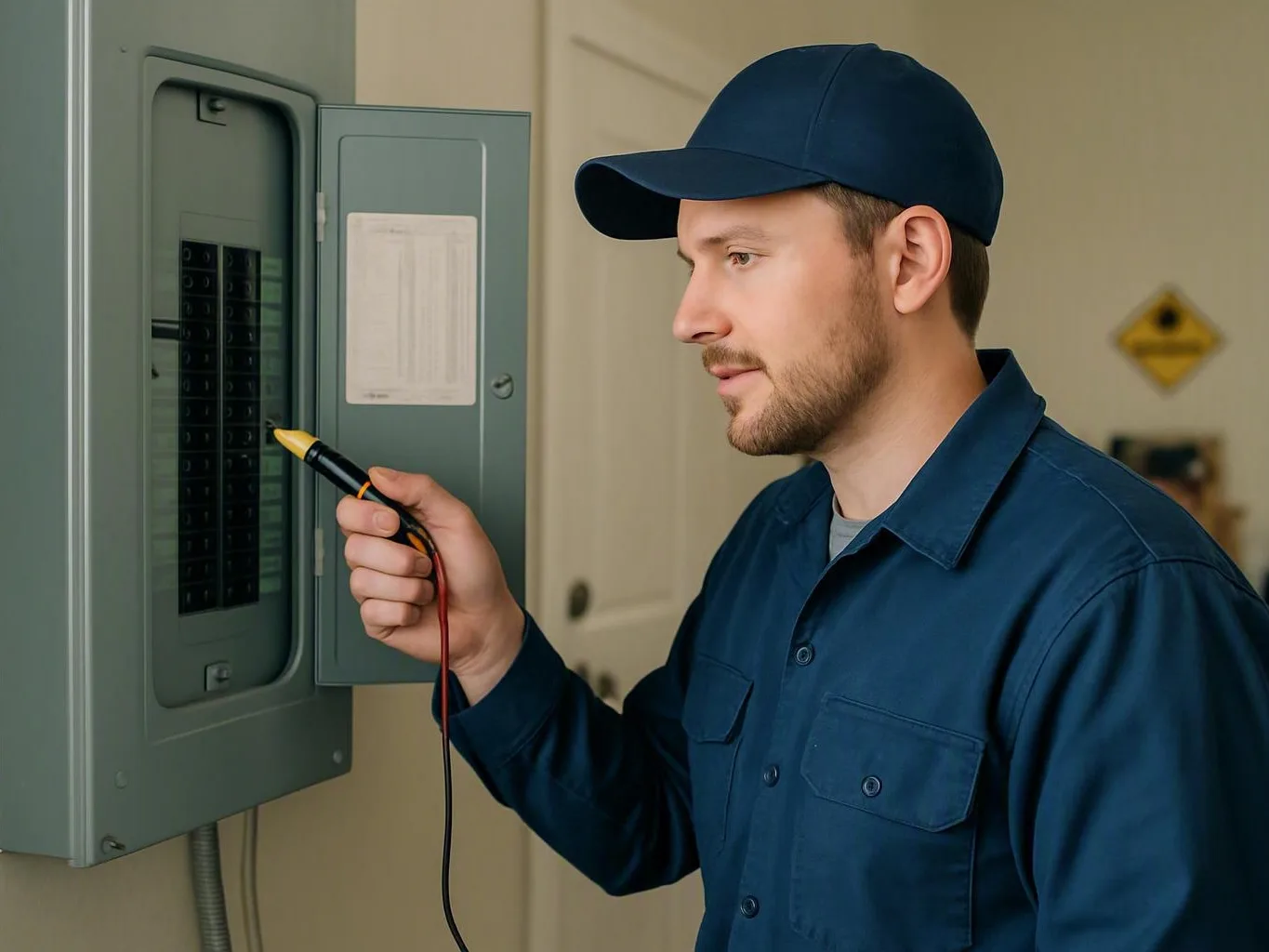
Don't keep testing equipment that creates heat, odor, noise, or damage. Move away from a hot or smoking panel. Contact qualified help instead. An Electrician can find the problem safely.
What Causes an Appliance Circuit to Keep Tripping?
An appliance circuit that keeps tripping may have too much load. The appliance may draw abnormal current. A short, ground fault, loose wire, or worn breaker may also cause trips. The right check compares appliance demand with circuit capacity. It also tests the appliance and circuit parts.
An overloaded circuit may serve several devices at once. Each item may work alone. Together, they may exceed the branch circuit rating.
A newer appliance may also need a larger circuit. This often happens with compressors, heating parts, or motors.
A faulty appliance may have damaged insulation or a failing motor. A locked compressor or internal short may cause the same issue. Water and moisture can create ground faults. This can happen with laundry, kitchen, outdoor, and HVAC equipment.
Loose connections create heat. That heat can damage the connection and cause trips. It may also create a fire risk.
An old breaker may trip below its normal rating. Replacing it is safe only after checking the wires and load.
A typical visit includes the panel, outlet, wires, cord, and appliance current. Most basic checks take about 30 to 90 minutes. Hidden wire faults and HVAC equipment may take longer.
Common Causes to Check First
Before changing a circuit, compare the appliance demand with the circuit. The appliance type and nameplate rating both matter. Startup behavior matters too.
- Shared circuit: Other tools, lights, heaters, or appliances may share the circuit.
- Breaker amperage: The breaker rating must match the circuit design.
- Nameplate rating: Check the listed amperage or wattage. Motors and compressors may need extra startup power.
- An extension cord may add heat and resistance. High-load equipment needs the proper outlet and cord.
Don't assume the breaker is defective. The load, wire size, connections, and appliance need one full check.
Do I Need a Dedicated Circuit for an Appliance?
A dedicated circuit is often needed for high-wattage appliances. Motors, compressors, and some HVAC systems may need one too. Manufacturer instructions may also require it. Ovens, refrigerators, freezers, washers, dryers, and water heaters may need dedicated circuits. Heat pumps may need them as well. Check the instructions before installation.
A dedicated appliance circuit serves one major load. It runs from the breaker panel to that equipment. This setup gives the appliance proper protection. It also keeps other devices from overloading the wiring.
The right choice depends on several facts. These include amperage, wattage, startup current, and the appliance instructions.
Some motors draw a short burst of power at startup. Refrigerators, air conditioners, and heat pumps can do this. The running load may not show the whole problem.
Our team checks wire length, wire size, breaker type, and outlet rating. We also check grounding and the full load.
The National Electrical Code gives basic safety rules. Local rules and manufacturer instructions may add more details. Correct sizing matters more than using a larger breaker.
For new equipment, Appliance Circuit Installation or Dedicated Circuit Installation in Fort Wayne can be planned safely. We review the panel, equipment, disconnect, and wire path. We also provide our full range of Electrician work.
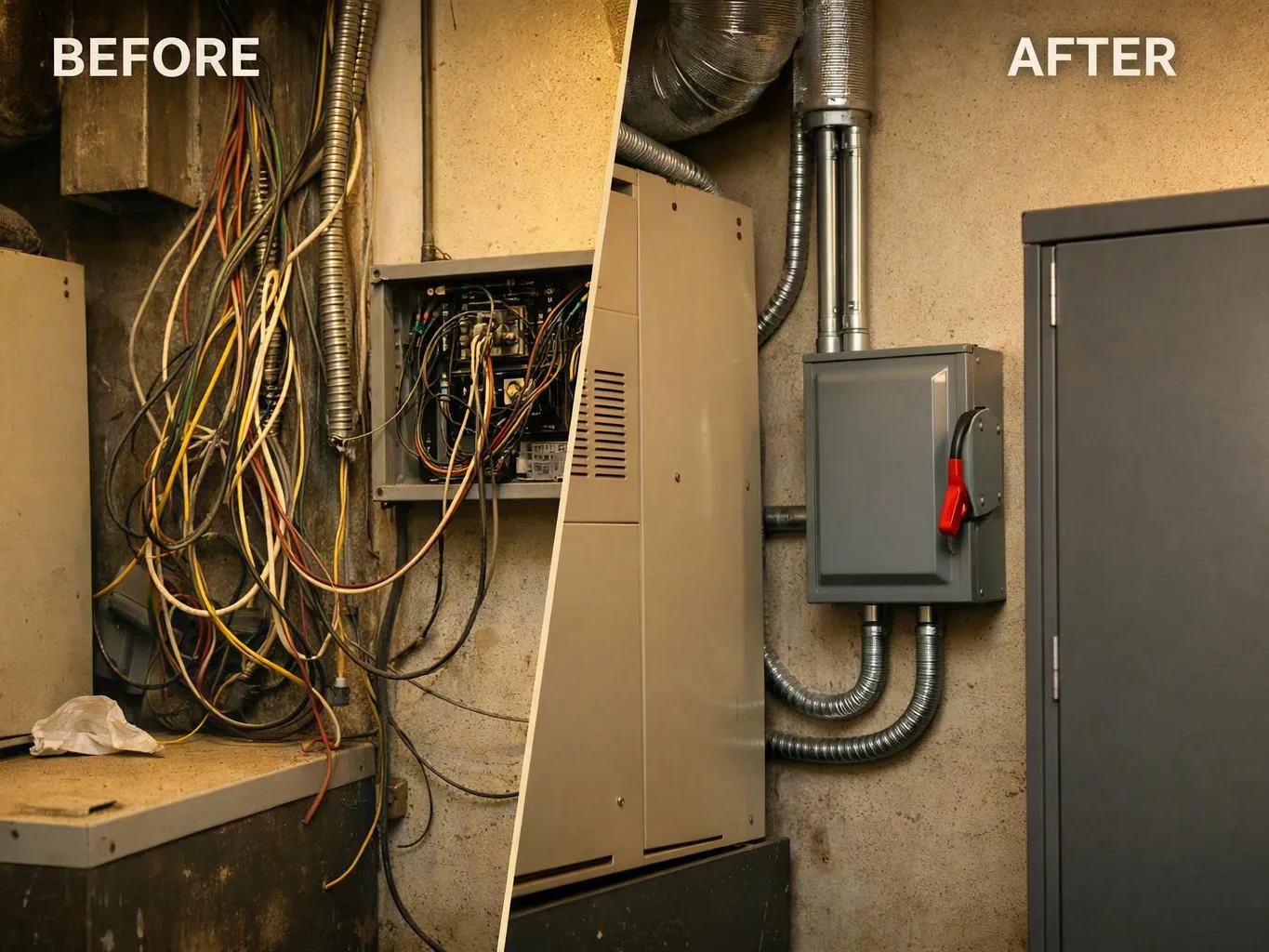
A typical installation may include a new breaker and properly sized wires. It may also include a dedicated outlet or hardwired connection. Labeling and testing complete the work.
Why Do Lights Dim When an Appliance Starts?
Lights can dim when an appliance starts. Motors and compressors briefly draw high startup current. This can lower voltage on a shared or small circuit. Mild, quick dimming may occur with large motors. Strong or repeated dimming needs a professional check.
A motor may draw much more power at startup. A long wire run can make the voltage drop more noticeable. Shared circuits can make it worse.
Small, quick changes may not show a serious fault. Strong or repeated dimming should not be ignored. Voltage drops can harm motors and controls. Loose connections can also create heat.
A loose neutral connection needs special attention. It can affect several circuits and cause uneven voltage.
Testing may include voltage checks before and during startup. It may also include current tests and panel checks. A heat pump may need a dedicated HVAC branch circuit.
Safe Checks and Prevention Steps
Safe prevention starts by unplugging the suspect appliance. Avoid extension cords for high-load equipment. Use the circuit size listed by the maker. Reset a breaker only once after unplugging the appliance. Don't keep resetting a breaker that trips. Never install a larger breaker without checking the wires and circuit.
If the breaker trips while the appliance is unplugged, leave it off. Arrange an electrical inspection. If it stays on until the appliance connects, the appliance or cord may need service. Never remove panel covers or work on live wiring.
How an Electrician Checks a Dedicated Appliance or Heat-Pump Circuit?
A professional check confirms that the appliance and wiring work safely together. For new heat pumps, the electrical hookup must match the equipment data. It must also match the home's service capacity.
- Review the appliance nameplate, manual, circuit needs, and startup requirements.
- Inspect the panel, circuit path, wire size, wire condition, and grounding.
- Check the breaker type and rating against the wire size and equipment needs.
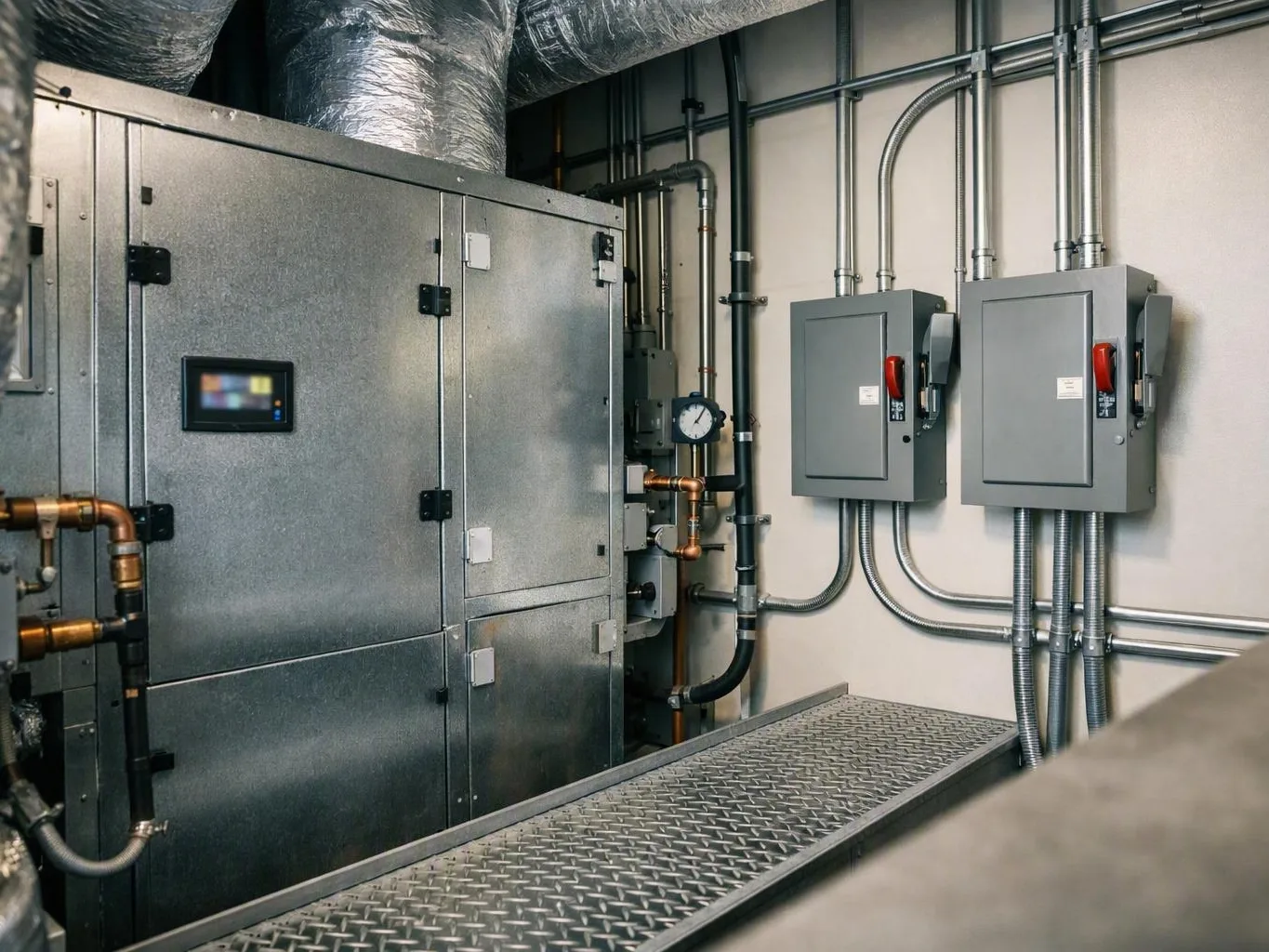
- Check the disconnect switch location and rating for safe HVAC service.
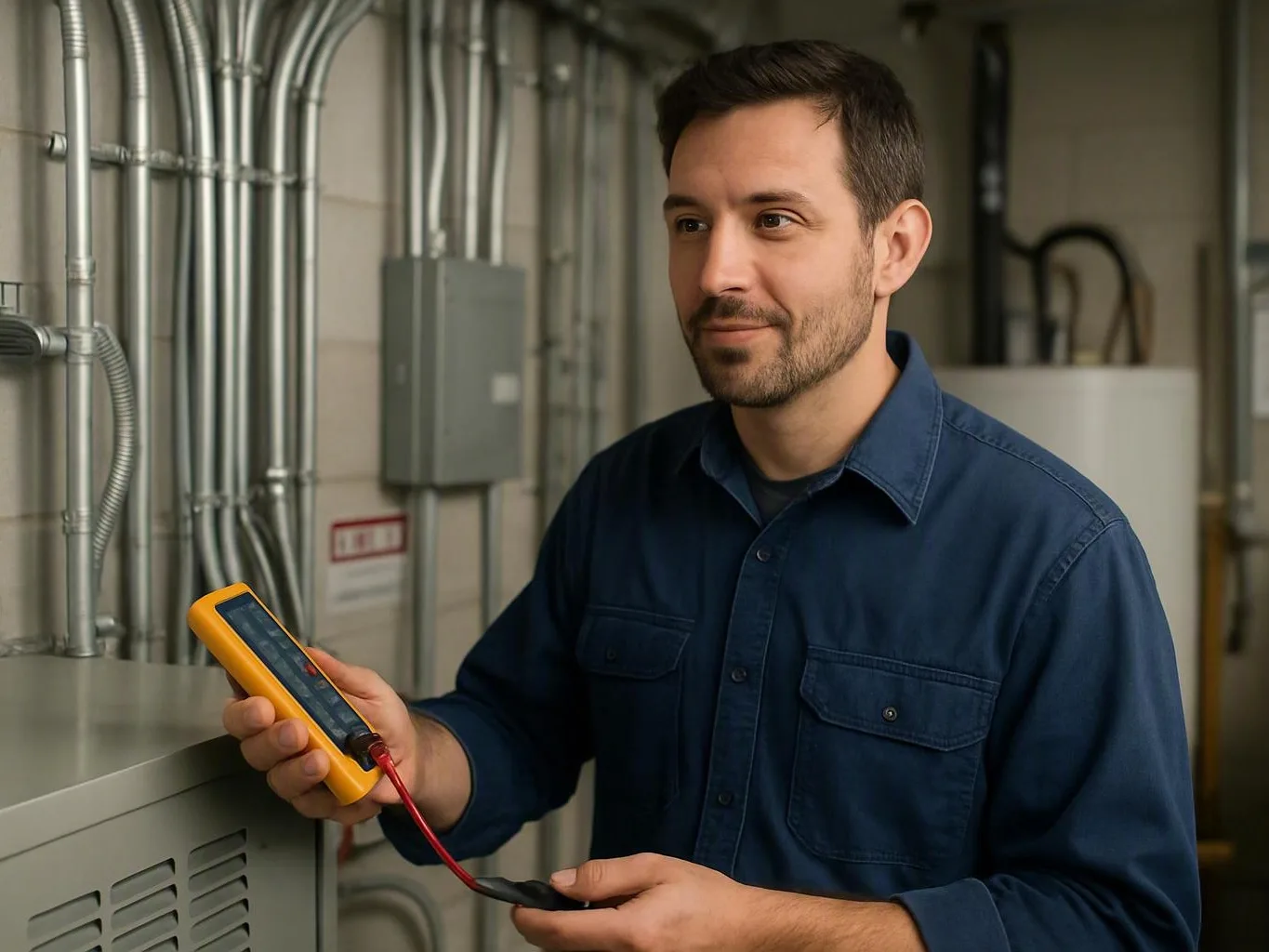
- Test voltage, current, continuity, and possible ground faults.
- Complete a load check to confirm the panel can support the equipment.
HVAC wiring may need weather-resistant parts and a proper disconnect. It also needs careful grounding. We explain the results before suggesting repairs or new circuits.
Questions About Electrician
Why Does My Appliance Keep Tripping the Breaker?
The appliance may be overloaded, faulty, or connected to a weak circuit. Unplug it and reset the breaker once. Stop using it if the trip returns or you notice heat, odor, buzzing, marks, or severe dimming.
Do I Need a Dedicated Circuit for an Appliance?
Many high-wattage appliances, motors, compressors, HVAC systems, and heat pumps need one. Check the nameplate and maker's instructions. An electrical professional should verify the wires, breaker, grounding, and panel capacity.
Why Do Lights Dim When an Appliance Starts?
Motors and compressors briefly draw high startup current. This can lower voltage on a shared or small circuit. Mild dimming may occur, but strong or repeated dimming can signal loose connections or wiring problems.
Why Does My Appliance Circuit Keep Tripping?
Common causes include overload, a faulty appliance, a short circuit, or a ground fault. Loose connections and old breakers can also cause trips. Testing is safer than repeated resets or a larger breaker.
What Is the Electrical Hookup for a Heat Pump?
It is the correctly sized connection that powers the heat pump. It includes wires, a breaker, disconnect, grounding, and overcurrent protection. The design must follow the equipment data and load check.
If a breaker keeps tripping, leave the circuit off. Contact our team for a careful diagnosis. We can review the appliance, wiring, and dedicated-circuit needs.
Related Resources
EV Charger Installation in Fort Wayne: Cost, Panel Requirements, and Process
EV charger installation cost Fort Wayne IN
What It CostsHot Tub and Pool Electrical Wiring: Cost, Scope, and Scheduling
hot tub and pool electrical wiring cost Fort Wayne
How It WorksHeat-Pump Electrical Hookups: Circuits, Panel Capacity, and Installation
heat pump electrical hookup and panel upgrade Fort Wayne
What's RequiredEV Charger Electrical Problems: A Homeowner’s Troubleshooting Checklist
EV charger keeps tripping breaker electrical checklist