EV Charger Electrical Problems: A Homeowner’s Troubleshooting Checklist
An EV charger may trip when its circuit carries too much load. Faulty wiring, damage, or a charger fault can also cause trips. Stop charging and reset the breaker only once. Look for heat, burning smells, damage, or flickering lights. Check for a dedicated circuit. Check the panel’s capacity too. Make sure the setup follows the charger manual and local rules. Call a qualified electrician if the breaker trips again. Call if the panel gets hot or lights flicker. A professional can test the circuit, panel, wires, grounding, and charger. They can then suggest the right repair or upgrade.
Get a Free EstimateStart with Safety: What to Do When an EV Charger Trips
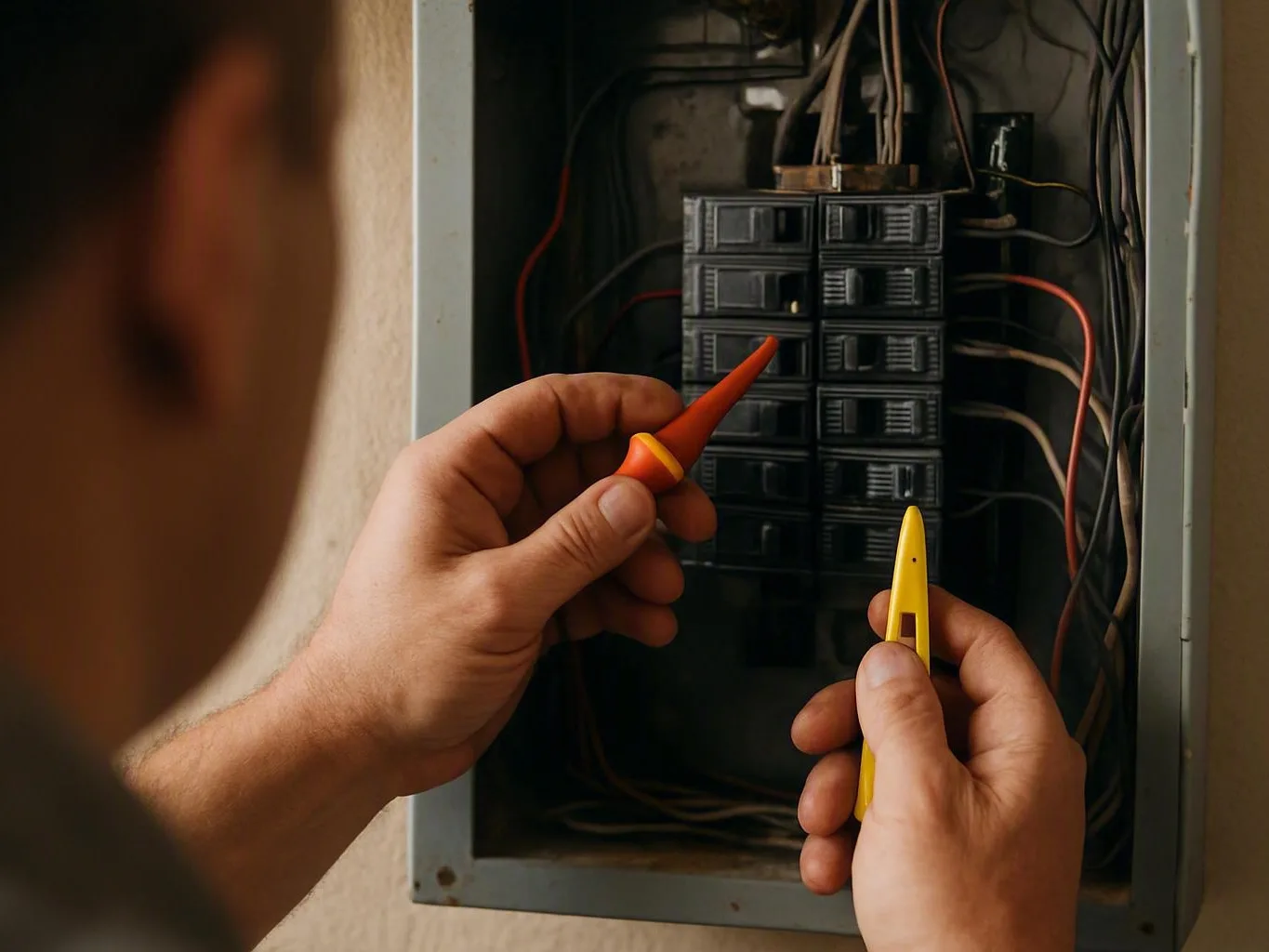
An EV charger that trips a breaker should stay off. Stop charging and unplug the vehicle if safe. Reset the breaker no more than once. Repeated trips need a qualified electrician. Heat, burning smells, damage, water, or flickering lights also need help.
EV charging equipment carries high current for long periods. Don’t open the charger, outlet, or panel. Don’t search for loose wires. Keep your hands dry and avoid damaged parts. Never install a larger breaker. It may let unsafe wires overheat.
Write down when the breaker trips. It may trip as charging starts. It may trip after several minutes. It may happen when heating, cooking, or cooling equipment runs. Note error messages, sounds, smells, and lighting changes. These details can help our team find the fault.
Chris Miller Electric helps homeowners with EV charging issues. Problems may involve an overload or a panel fault. Electric Vehicle Charger Installation in Fort Wayne, IN, should start with a safe check of the home’s wiring and equipment.
EV Charger Installation Electrical Checklist: Before, During, and After
An EV charger installation checklist covers the home’s load and panel capacity. It also checks the circuit, wire size, breaker, grounding, and charger location. Before work starts, confirm the charger and cable route. During work, check the wires and safety parts. After work, test charging and check for heat or trips.
Before Installation
During Installation
After Installation
Most home charging jobs use one dedicated branch circuit and one charger. The cable route may run a few feet.100 feet. The panel and parking spot affect the route. Long runs may need larger wires. They may also cause voltage drop. Confirm the route before buying materials.
Why Does My EV Charger Keep Tripping the Breaker?
An EV charger may keep tripping because the circuit has too much load. The circuit may also be too small, damaged, or wired wrong. A ground fault can cause trips too. The charger or vehicle may have an internal fault. EV charging runs for a long time. Repeated trips need testing. Don’t install a larger breaker.
An overloaded circuit is a common cause. A charger may share a circuit with an appliance or outlet. Together, they may use too much power. The breaker and wires must also match the charger’s current.
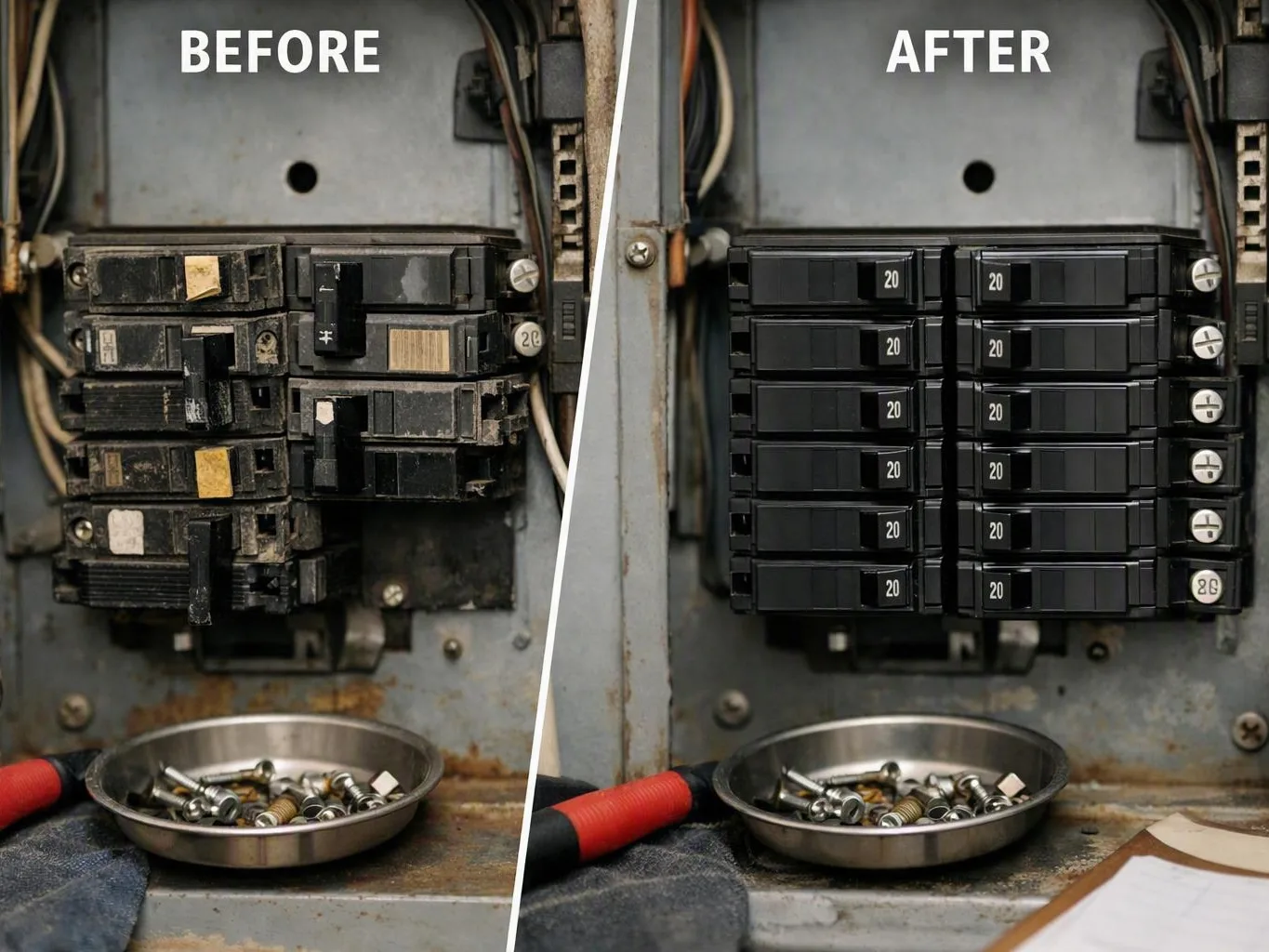
Loose or damaged connections can create heat. Corrosion can cause the same problem. A breaker may trip from heat or a sudden fault. A short circuit, ground fault, water, or failed safety part can stop charging.
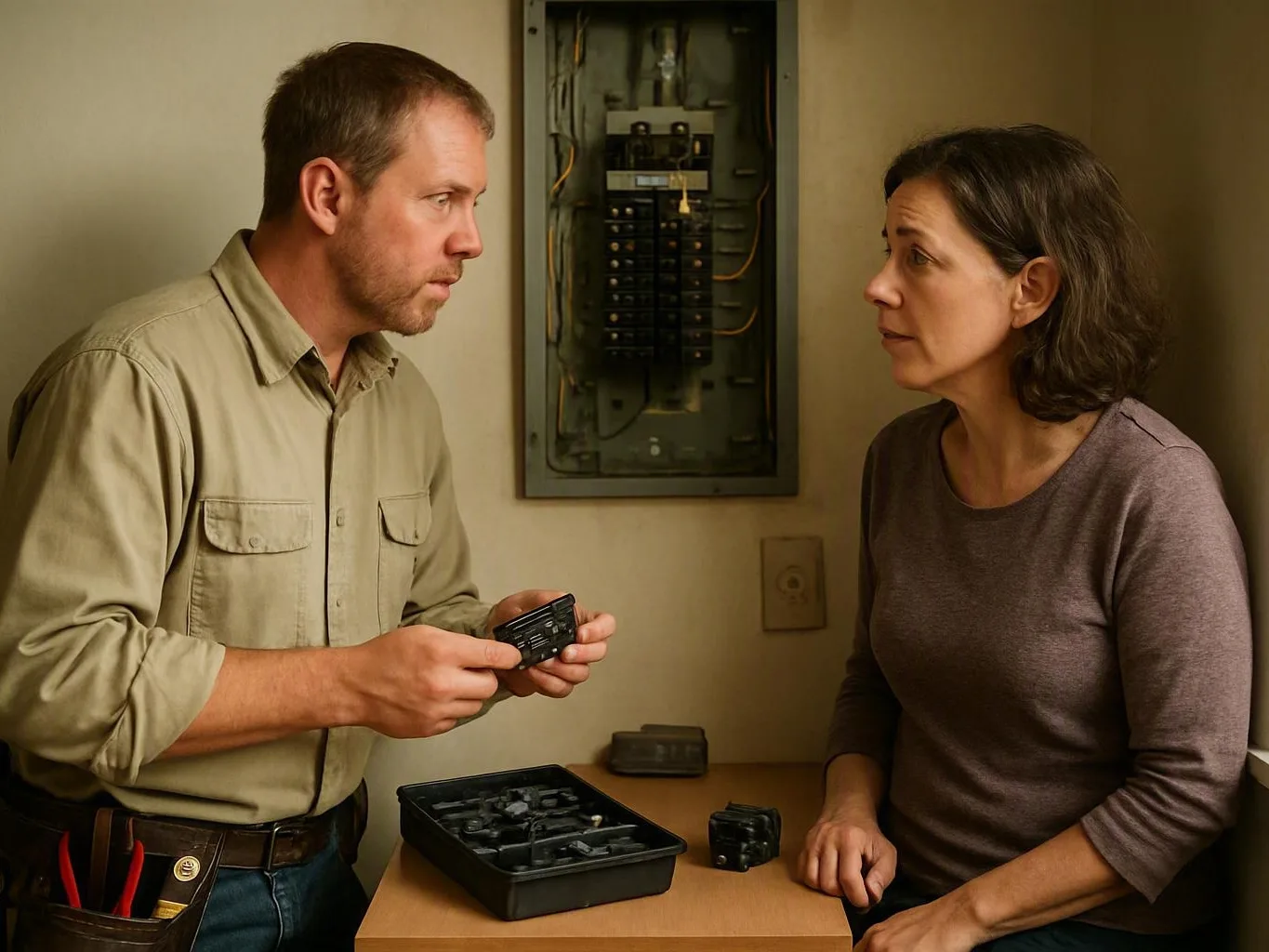
Our team tests the vehicle, charger, circuit, and panel separately. This helps us find the real cause. We then recommend repair, charger replacement, load management, or a panel upgrade when needed.
Does an EV Charger Need a Dedicated Circuit?
A permanently installed EV charger usually needs a dedicated branch circuit. The circuit must match its steady charging load. Sharing it with lights, outlets, or appliances can overload the wires. It can also cause breaker trips. A qualified electrician should match the breaker, wires, outlet, or hardwired connection to the charger.
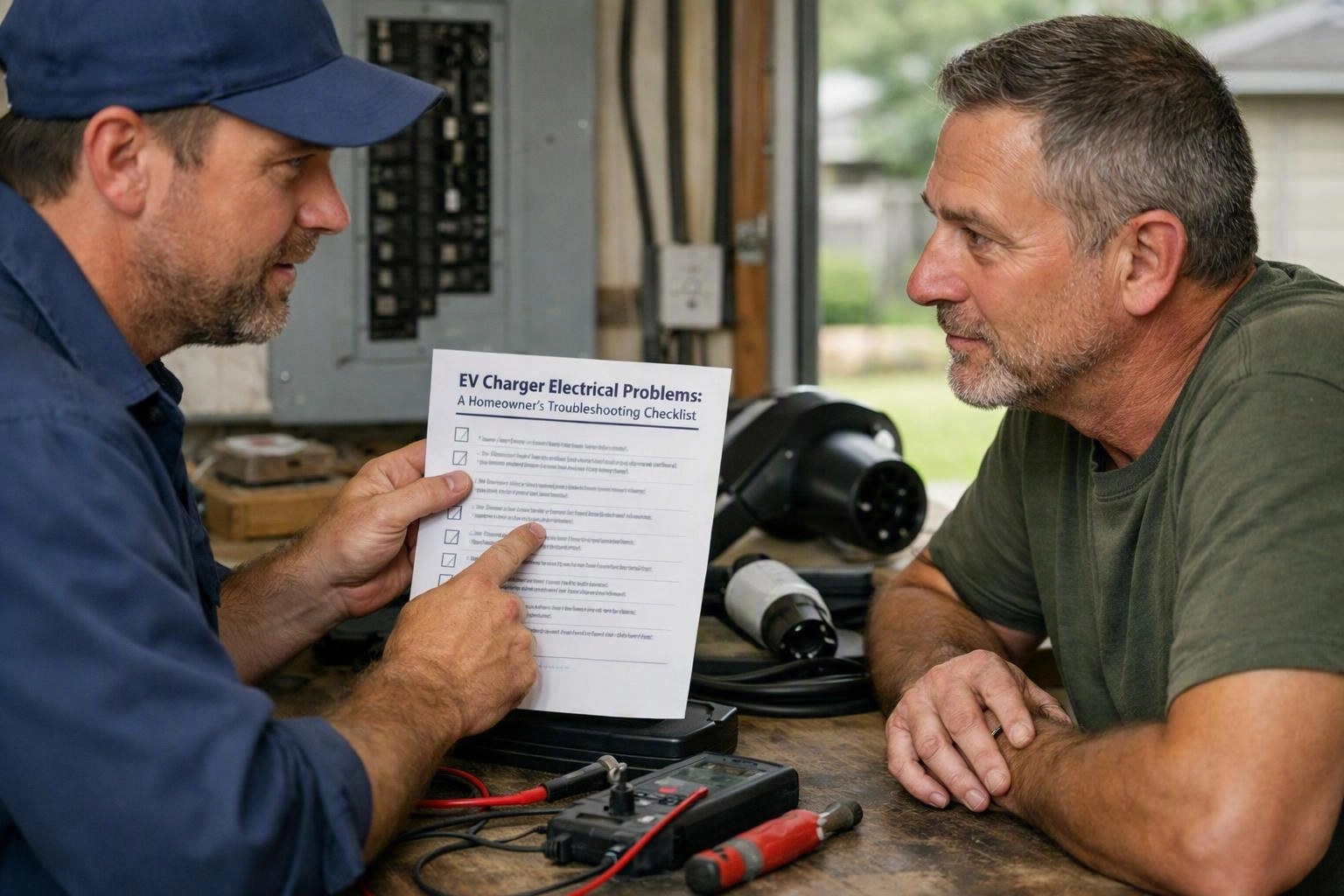
Level 2 charging often uses high current for several hours. A hardwired charger avoids some plug and outlet concerns. It still needs the right breaker, wire size, grounding, and bonding. It may also need a disconnect.
The National Electrical Code has rules for EV equipment and steady loads. Local rules and the charger manual also matter. We can check if your current circuit needs replacement. A breaker trip shouldn’t lead to repeated resets.
Does My Electrical Panel Support an EV Charger?
An electrical panel supports an EV charger when it can handle the new load. It must also handle the home’s current demand. Open breaker spaces don’t prove the panel has capacity. An electrician should check the service rating, main breaker, panel condition, and existing loads. A load calculation may be needed.
| What to check | Why it matters | When professional evaluation is needed |
|---|---|---|
| Service rating and main breaker | Shows the home’s total electrical limit. | The charger adds high load or the service is heavily used. |
| Panel spaces and breaker compatibility | Confirms that the right breaker can be installed. | The panel is old, damaged, crowded, or incompatible. |
| Existing household loads | Heating, cooling, water heating, and ranges affect demand. | Several high-demand appliances run together. |
| Load management or panel upgrade | May prevent an overload or add more capacity. | The panel can’t safely support the desired output. |
A load calculation reviews actual home demand. It doesn’t just count open spaces. If capacity is limited, an energy management system may lower charging output. An Electrical Panel Upgrade may work better when the panel is worn out. It may also help with future electric equipment.
EV Charger Causing Lights to Flicker: What It Means
An EV charger that causes flickering lights may have a voltage drop. The service may be overloaded. A loose connection may also cause it. The charger circuit or panel could have a fault. Small changes may happen with large motors. Repeated flicker during charging isn’t normal. Stop charging and arrange testing.
Note when the flicker starts. Does it begin with charging? Does it continue during the session? Check if several rooms are affected. Check if only one lighting circuit changes. LED lights can show small power changes. Dimming in many rooms may point to a service or panel problem.
Voltage drop can come from long runs or small wires. High demand or poor connections can also cause it. We test voltage while the charger runs. We don’t ask homeowners to work inside live equipment.
Red Flags That Mean You Should Stop Charging
Stop EV charging at once if you see heat, smoke, or melting. Stop if you smell burning or see water. Repeated trips, arcing, or widespread flicker also need action. Turn off the charger only if safe. Keep people away from damaged equipment. Contact a qualified electrician.
If smoke or active arcing appears, move away. Call emergency services when needed. Don’t touch wet or damaged equipment.
When to Call an Electrician for EV Charger Troubleshooting?
A qualified electrician should check an EV charger after another breaker trip. Call if lights flicker or the panel lacks capacity. Call when wires or equipment show heat or damage.Electrical Panel Upgrade.
Use circuit testing for loose connections, voltage problems, grounding issues, or damaged wires. Choose dedicated circuit installation when the charger shares a circuit. These steps fix the cause instead of hiding it.
Consider an Electrical Panel Upgrade if the service lacks capacity. It may also help when the panel is worn out. Future electric equipment can be another reason. Ask for charger and vehicle testing when the circuit seems stable. Keep the manual, error codes, breaker history, and equipment photos ready.
We first find the safe operating limit. Then we explain your choices. Options may include repair, load management, charger replacement, or an upgrade. You don’t need the largest equipment.
For help from Chris Miller Electric, use the contact option below. We can discuss testing or Electric Vehicle Charger Installation. We’ll help decide between observation, repair, and urgent service.
Questions About Electrician
Can a Faulty EV Charger Trip the Breaker?
Yes. An internal charger fault can trip the breaker. A damaged cable, water, ground fault, or failed safety part can also trip it. The vehicle, outlet, wiring, or circuit may be at fault. Repeated trips need testing. Don’t install a larger breaker.
How Do I Stop My EV Charger from Tripping the Breaker?
Stop charging and reset the breaker no more than once. If it trips again, call a qualified electrician. They should test the circuit, breaker, connections, grounding, charger, and vehicle. The fix may need a dedicated circuit, correct breaker, load management, wiring repair, or new equipment.
What Size Breaker Do I Need for a Home EV Charger?
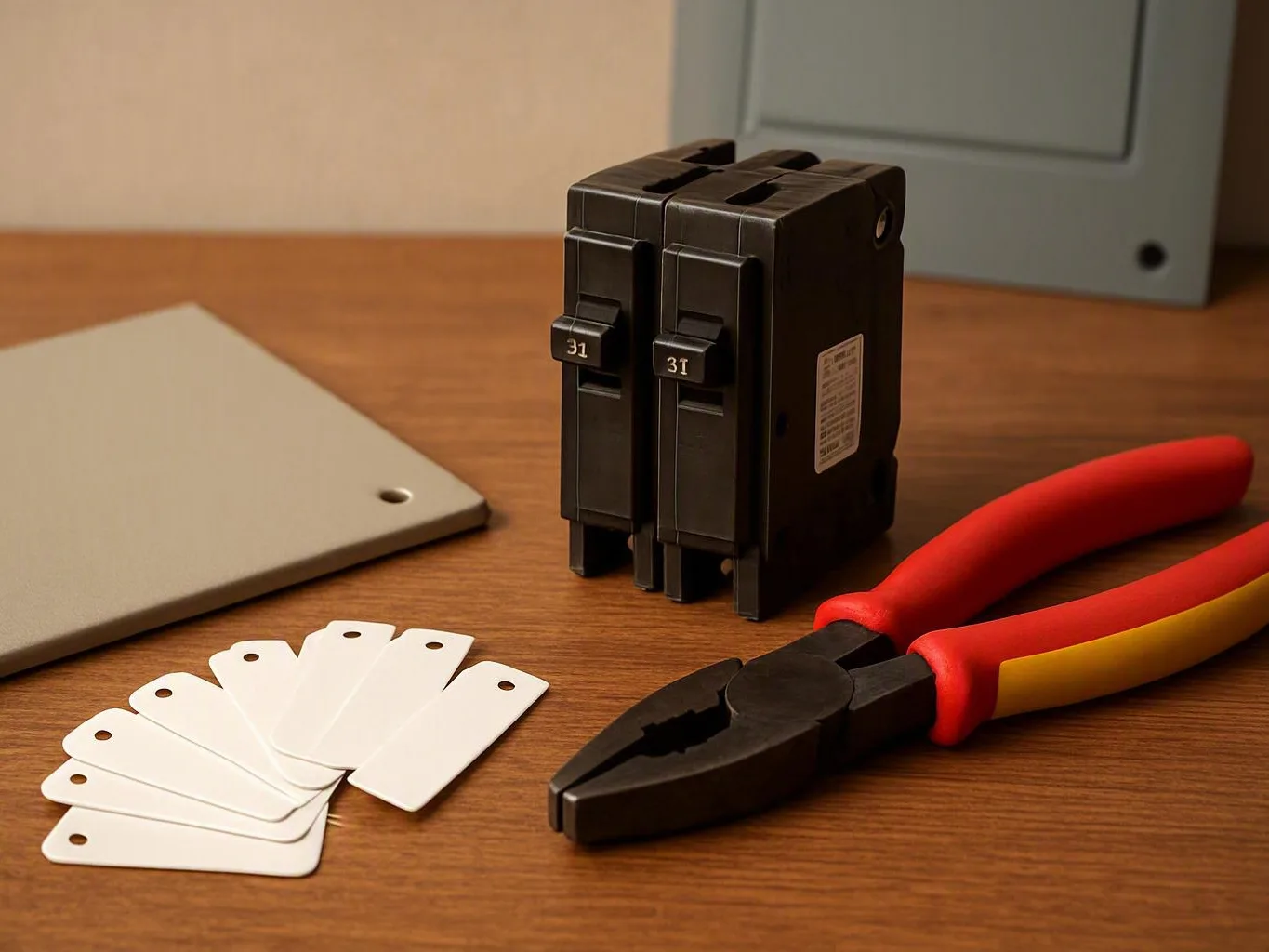
The breaker size depends on charger current and steady load. It also depends on wire size, installation method, and the charger manual. Don’t guess the size. Don’t install a larger breaker to stop trips. An electrician should match the breaker, wires, and charger setting.
Can I Plug an EV Charger into a Regular Outlet?
Some portable, low-output chargers can use a regular outlet. The outlet and circuit must support the steady load. Don’t use extension cords. Don’t use a shared, worn, or unknown circuit. A dedicated circuit is often safer for regular home charging.
How Much Electrical Capacity Does an EV Charger Need?
Capacity depends on charger output and charging time. It also depends on the service rating and other home loads. A load calculation shows if the panel can handle the new load. If it can’t, options include energy management, lower charging output, or a panel upgrade.
Related Resources
Whole-Home Rewiring: Cost, Timeline, and What to Expect
whole house rewiring cost Fort Wayne IN
What It CostsEV Charger Installation in Fort Wayne: Cost, Panel Requirements, and Process
EV charger installation cost Fort Wayne IN
What It CostsHot Tub and Pool Electrical Wiring: Cost, Scope, and Scheduling
hot tub and pool electrical wiring cost Fort Wayne
How It WorksHeat-Pump Electrical Hookups: Circuits, Panel Capacity, and Installation
heat pump electrical hookup and panel upgrade Fort Wayne