Planning Light Fixture and Recessed Lighting Installation
Light fixture installation planning means checking the room, existing wiring, mounting surface, controls, light placement, and safety requirements; Chris Miller Electric uses those factors to plan fixture and recessed lighting work.
Request an Estimate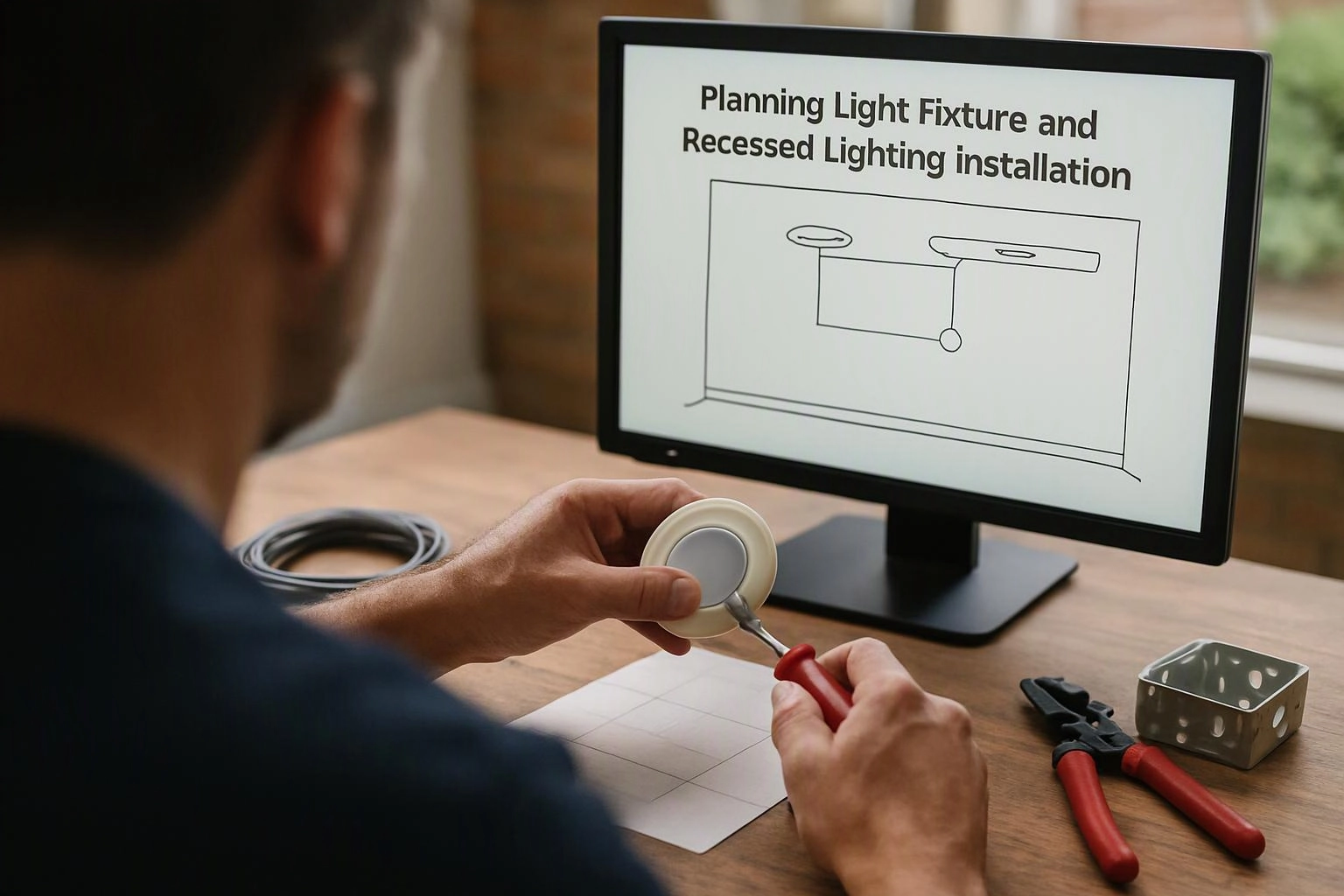
What Should You Check Before Planning Light Fixture Installation?
Light fixture installation planning starts with checking the ceiling, electrical box, wiring, switch location, fixture weight, and intended light coverage. We use those details to build a safe lighting layout before work begins.
The ceiling must support the fixture and provide a suitable place for fixture mounting. We inspect the electrical box and confirm that the existing wiring can serve the fixture and its controls.
The wall switch location also affects convenience and wiring access. We review the room’s purpose, furniture, natural light, and desired coverage so the lighting layout supports daily use.
How Do You Plan a Recessed Lighting Layout?
Recessed lighting installation planning begins with the room's function and ceiling structure, then accounts for fixture placement, wiring access, light distribution, and controls. Our team checks the ceiling before selecting locations.
Ceiling joists and insulation can limit fixture placement and housing choices. We account for ceiling access before cutting or opening finished surfaces.
When Do Light Fixture and Recessed Lighting Work Belong Together?
Light fixture installation and recessed lighting installation work together when a room needs both a central fixture and distributed illumination. A combined plan helps the light sources support one another.
How Do These Lighting Services Work Together?
Light fixture installation and recessed lighting installation work together through a coordinated assessment, wiring plan, ceiling preparation, installation sequence, and control setup. The project scope and existing conditions determine the cost.
We organize the work so each service supports the same lighting plan. The following steps show how the services depend on one another.
Adding more fixture locations, changing the circuit, or repairing the ceiling can increase project complexity. We explain those factors in the project scope before the work proceeds.
How Can Lighting Problems Point to Wiring Repairs?
Lighting problems can point to electrical wiring repair when flickering, intermittent power, tripped breakers, heat, or unusual switch behavior indicates a connection or circuit problem. A new fixture can reveal an older issue that needs attention.
Flickering lights may result from a loose connection, a failing switch, an overloaded circuit, or a problem at the circuit breaker. We inspect the affected connections and test the circuit before recommending repairs.
Intermittent power can also indicate damaged wiring or a poor connection at the electrical box. Our crew isolates the fault and completes the needed wiring repair so the lighting system can operate safely.
What Should You Check Before Scheduling Ceiling Fan Repair?
A ceiling fan repair checklist should cover the fan's power supply, switch, controls, mounting, blades, motor behavior, and electrical connections. These details help us identify whether the issue is mechanical, electrical, or related to the control system.
Turn off the circuit before doing any visual inspection near wiring, and avoid removing covers or working at height. We handle electrical connections, mounting concerns, and testing as part of the repair assessment.
What Changes the Cost of a Lighting Installation Project?
The cost of a lighting installation project depends on the fixture type, ceiling access, existing wiring, circuit capacity, switch configuration, and any repair needed after installation. We review these conditions before preparing an exact quote.
A simple fixture replacement may involve different work from a new recessed light housing installation. New wiring, changes to the existing circuit, difficult ceiling access, or ceiling repair can add scope.
Fixture weight and mounting requirements also affect the work plan. We explain what the quote includes, including installation, wiring changes, controls, testing, and related repairs identified during the assessment.
How We Turn a Lighting Plan Into Safe Electrical Work
Chris Miller Electric turns a lighting plan into electrical work by reviewing the space, confirming the wiring approach, coordinating fixture placement, completing the installation, and checking the finished system. Our team connects the design decisions to the actual ceiling and electrical conditions.
We begin with a site assessment that covers fixture selection, ceiling access, mounting conditions, existing wiring, and lighting controls. We then create an installation plan that accounts for the wiring route and circuit capacity.
During the work, we prepare the mounting locations, install the fixtures, connect the controls, and address wiring concerns that affect safe operation. We finish with electrical testing so the completed lighting system matches the planned use.
To request an exact quote, contact Chris Miller Electric with the room details, fixture type, ceiling condition, switch needs, and any lighting problems you have noticed.
Questions About Lighting Installation Planning
Can recessed lighting be added to an existing ceiling?
Yes, recessed lighting can be added to an existing ceiling when the ceiling structure, insulation, wiring route, and circuit capacity support the planned installation. Chris Miller Electric checks those conditions and plans access before installing the fixtures.
What should I consider when choosing a location for a ceiling light?
A ceiling light location should account for room function, furniture, desired light coverage, fixture weight, electrical box placement, and switch access. We use those factors to coordinate fixture placement with the full lighting layout.
Why do lights flicker after a new fixture is installed?
Lights can flicker after a new fixture is installed because of a loose connection, incompatible control, overloaded circuit, or existing wiring problem. We inspect the fixture connections and circuit to identify the cause before completing any electrical wiring repair.
Can a dimmer switch be used with every light fixture?
No, a dimmer switch cannot be used with every light fixture. The fixture and light source must be compatible with the selected dimmer, and we confirm that match before completing the switch installation.
What should I include when requesting a lighting installation quote?
A lighting installation quote request should include the fixture type, room use, ceiling condition, existing wiring details, switch or dimmer needs, and any flickering or power concerns. Those details help us define the project scope and prepare an accurate quote.
Related Resources
Whole-Home Rewiring Timeline: How Long It Takes in Fort Wayne, IN
What It CostsLighting Installation Costs: Recessed, LED, Landscape, and Security Lighting
What It CostsWhole-House Rewiring Cost Factors: Home Size, Access, Wiring Materials, and Project Scope
Compared ToHow to Prioritize Electrical Repairs and Upgrades