Planning Backup Generator and Transfer Switch Installation
Backup generator installation planning connects generator capacity, transfer switch selection, electrical panel readiness, fuel considerations, and safe installation sequencing; Chris Miller Electric evaluates these factors and performs the related electrical work.
Request an EstimateWhat Should You Plan Before Installing a Backup Generator?
Backup generator planning should confirm the household load, generator location, transfer method, fuel arrangement, panel condition, and required electrical work before installation begins.
Start with an electrical load review to identify the appliances and systems that need backup power. Essential circuits may include refrigeration, heating controls, sump equipment, communication equipment, or selected lighting.
We review the installation location for clearance, access, ventilation, weather exposure, and safe routing for electrical wiring. Our team also checks the fuel supply and the electrical panel so the generator connection matches the home’s existing system.
For a complete project, our Backup Generator Installation service brings the generator, transfer equipment, panel work, and commissioning into one coordinated plan.
When Do You Need Generator and Transfer Switch Installation Together?
Generator and transfer switch installation belong together when the home needs a controlled connection between utility power and standby power.
We coordinate both services when the generator and home wiring must operate as one backup power system. This approach helps keep the selected circuits clear, protected, and properly separated from utility power.
How Do the Generator and Transfer Switch Work Together?
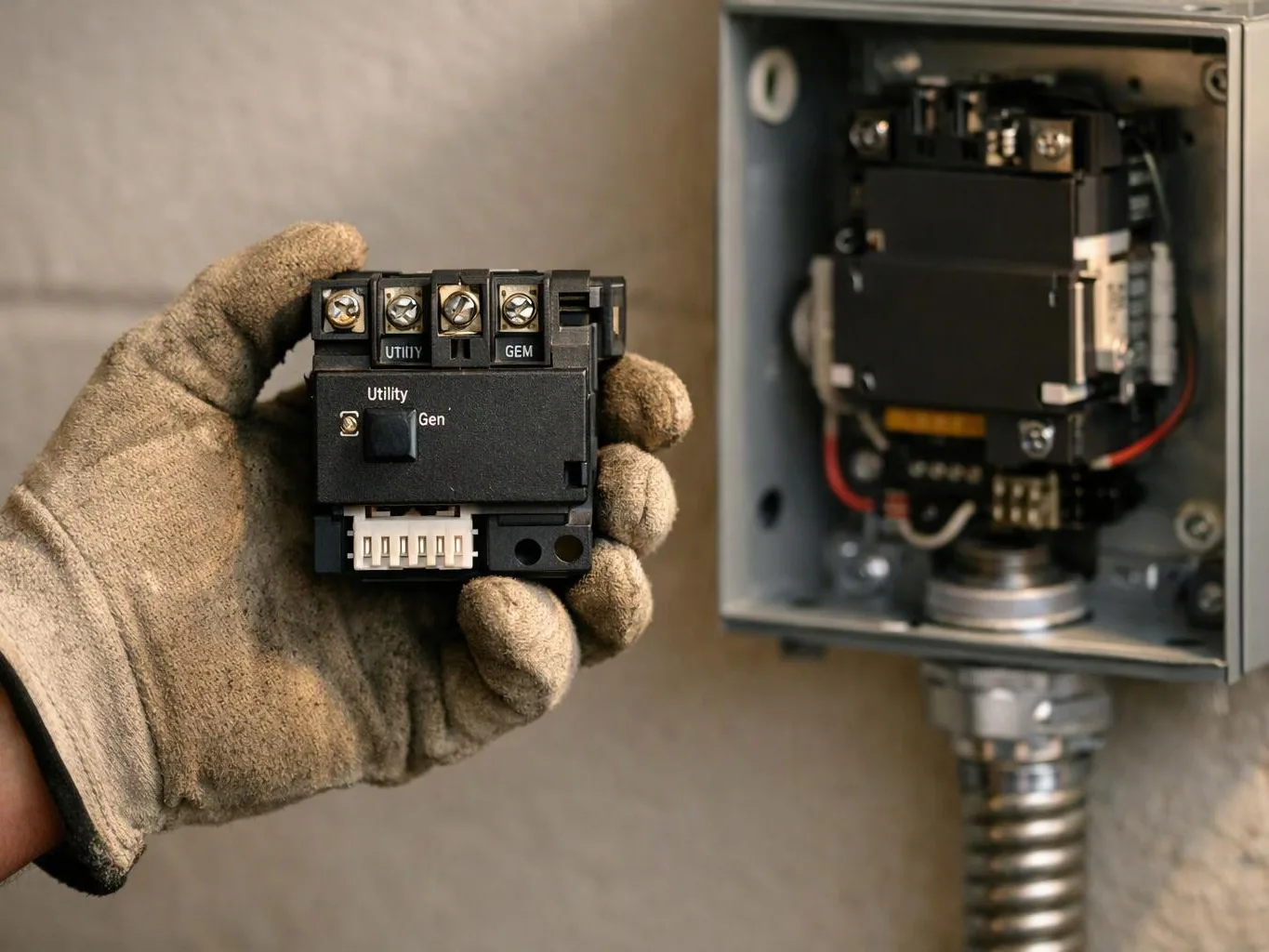
A transfer switch connects selected circuits to generator power while separating them from utility power, so generator installation and transfer switch installation must be planned as one electrical system.
An automatic transfer switch monitors utility power and changes the source when the standby generator is ready. When utility power returns, the switch transfers the circuits back according to its operating sequence.
A manual transfer switch requires a person to operate the transfer process. The switch still provides electrical isolation, but the homeowner follows the operating instructions to move selected circuits between utility power and generator power.
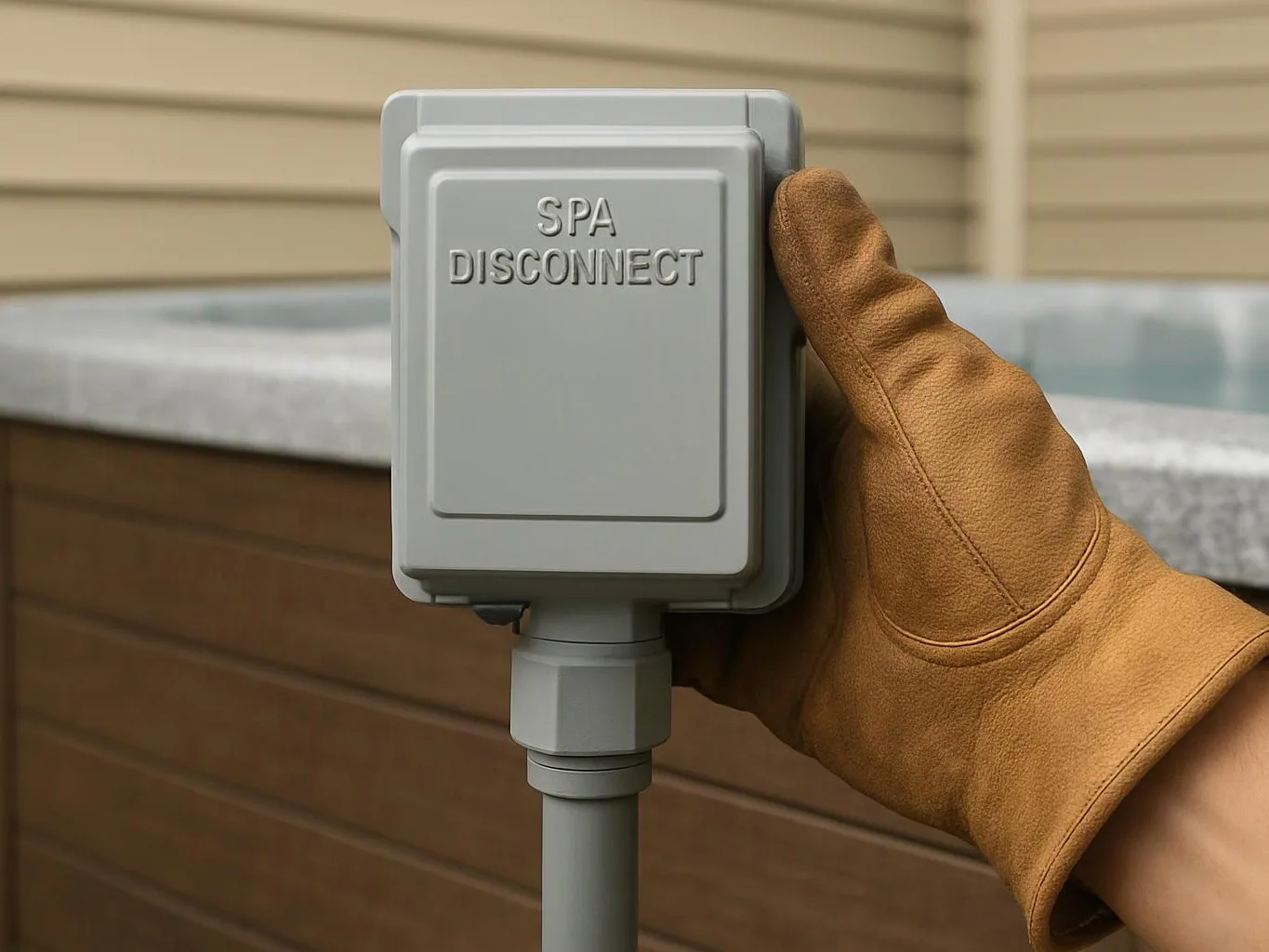
We select the transfer method based on the generator, household needs, panel compatibility, and the level of automation desired. Our team verifies that the generator disconnect, circuit breakers, conduit, wiring, and grounding connection work together.
How We Sequence the Electrical Work
Our installation sequence starts with the site and electrical system so later equipment choices fit the home.
Each step affects the next one. We resolve panel, wiring, fuel, and placement concerns before commissioning so the finished backup system can be tested as a complete installation.
What Electrical Panel Upgrades May Be Needed?
An electrical panel upgrade may be needed when the existing panel cannot safely accommodate the transfer equipment, selected circuits, generator connection, or planned household loads.
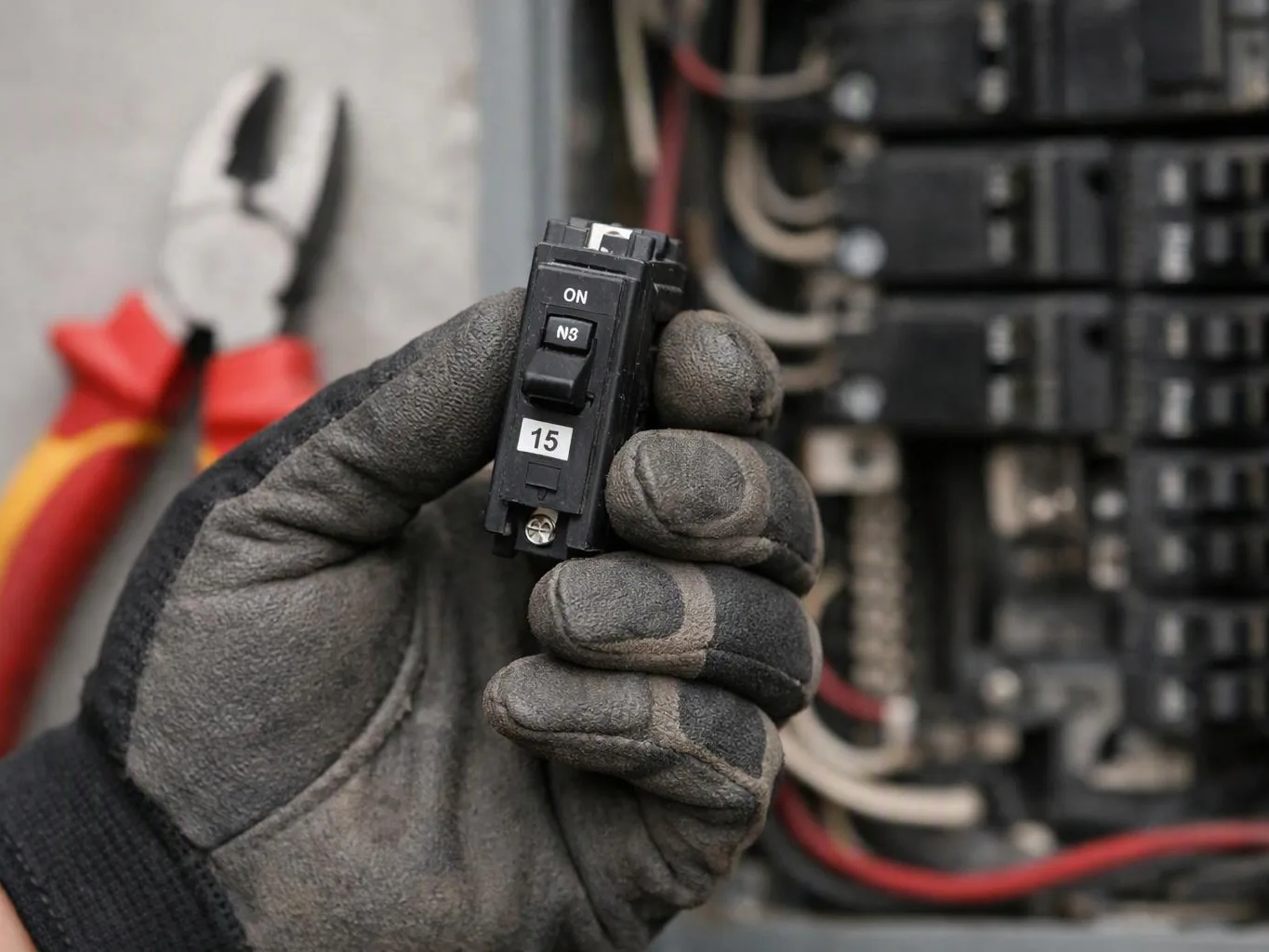
Our inspection checks the panel’s condition, available service capacity, breaker arrangement, conductor connections, and compatibility with the proposed transfer switch. We also look for equipment that may limit load management or make the generator connection unsuitable.
Panel work can involve reorganizing circuits, replacing incompatible equipment, installing a main electrical panel upgrade, or adding a subpanel installation. The correct approach depends on the home’s wiring and the backup plan.
We explain the required electrical work before installation begins. That keeps the generator capacity and transfer equipment aligned with the panel rather than treating the panel as a separate decision.
How Should You Plan Electrical Upgrades for a Growing Household?
Electrical upgrades for a growing household should account for planned loads and future circuits before the generator and transfer equipment are selected.
Household electrical demand may change when you add an electric vehicle charger, heat pump, workshop equipment, or a home addition. These loads can affect service capacity, panel compatibility, and the generator size needed for whole-home backup.
We include known future circuits in the load calculation when the project plans support them. Our team can also discuss load management when the generator cannot serve every large load at the same time.
Planning ahead may change the transfer switch location, panel design, wiring route, and generator connection. It can also help prevent a new electrical installation from limiting later household upgrades.
What Does a Backup Generator Installation Checklist Include?
A backup generator installation checklist covers the electrical load, equipment location, transfer method, fuel arrangement, panel condition, permits, and final testing.
We use the checklist to connect design decisions with field work. The final review confirms that the generator, transfer switch, panel, fuel connection, and household circuits operate as planned.
What Changes the Cost of This Electrical Project?
The cost of a generator and transfer switch project depends on generator capacity, transfer equipment, panel work, wiring complexity, site conditions, and fuel connections; Chris Miller Electric can prepare an exact quote after reviewing the installation.
Generator size affects the equipment and the electrical demands the system can support. Transfer switch type affects the control method, wiring, and installation requirements.
Electrical panel condition, wiring distance, site access, conduit routing, and fuel system work can add complexity. Required permits, utility coordination, and an electrical panel upgrade may also change the project scope.
We prepare the quote from the actual installation conditions. Our review explains what the work includes, which circuits are covered, and which equipment or electrical changes are needed.
What Should You Ask About Transfer Switch Installation?
Transfer switch installation questions should focus on the switch location, essential circuits, operating method, utility connection, and electrical safety.
Ask which circuits the switch will serve and whether the plan supports selected circuits or whole-home backup. The answer depends on the generator capacity, panel arrangement, service capacity, and household needs.
Ask whether an automatic transfer switch or manual transfer switch fits the way you want to use standby power. Automatic equipment reduces manual operation, while manual equipment requires the homeowner to follow the transfer procedure.
We also explain the utility interconnection, generator disconnect, electrical isolation, grounding connection, and testing process. Our team places the switch where it can be accessed and maintained while keeping the wiring route practical.
How Chris Miller Electric Plans the Installation
Chris Miller Electric plans the installation through a site assessment, electrical inspection, load calculation, generator connection review, transfer switch installation, panel evaluation, and system testing.
We begin by matching household electrical needs with generator capacity and essential circuits. Our team then checks generator placement, fuel supply, wiring routes, panel compatibility, and permit requirements.
During the electrical work, we install or coordinate the transfer equipment, complete the electrical panel upgrade when needed, and connect the generator according to the approved design. We finish with commissioning and system testing so the backup power system can be evaluated under its intended operating conditions.
To plan your project, contact Chris Miller Electric for an installation review and quote that reflects your home’s electrical system.
Questions About Backup Generator Planning
Can a transfer switch power only selected circuits?
Yes, a transfer switch can power only selected circuits when the switch, panel arrangement, generator capacity, and wiring are designed for that plan. Chris Miller Electric identifies the essential circuits and verifies the transfer equipment before installation.
Does a backup generator always require an electrical panel upgrade?
No, a backup generator does not always require an electrical panel upgrade. The need depends on panel condition, service capacity, circuit breakers, transfer equipment, generator connection, and panel compatibility.
What should be included in a generator installation quote?
A generator installation quote should identify the generator capacity, transfer switch, selected circuits, panel work, wiring route, generator placement, fuel connection, permit needs, testing, and project scope. We prepare the quote after reviewing the installation site and electrical system.
Can future household electrical loads be included in generator planning?
Yes, future household electrical loads can be included in generator planning when they are identified during the load calculation. Planned circuits for an electric vehicle charger, heat pump, or home addition may affect generator capacity, panel work, and load management.