
What is a Watt?
Watt is the SI unit of power, which measures how quickly electrical energy is used or transferred. One watt equals one joule of energy per second. Electrical devices display power in watts or kilowatts, while the wattage rating helps determine circuit load, operating cost, generator capacity, and suitable wire and overcurrent protection.
Quick Facts About Watt
Category
SI unit of power
Formula
Watts = volts × amperes
Measured by
Power meter or electrical calculations
Used for
Rating electrical power and circuit demand
Common confusion
Watts measure power, while watt-hours measure energy
Also called
W, Wattage
Key Takeaways About Watt
- One watt equals one joule of energy transferred each second.
- Electrical power in watts equals voltage multiplied by current.
- Higher wattage usually means greater circuit demand and energy use.
- A device wattage rating helps size circuits, generators, and electrical equipment.
Understanding Watt
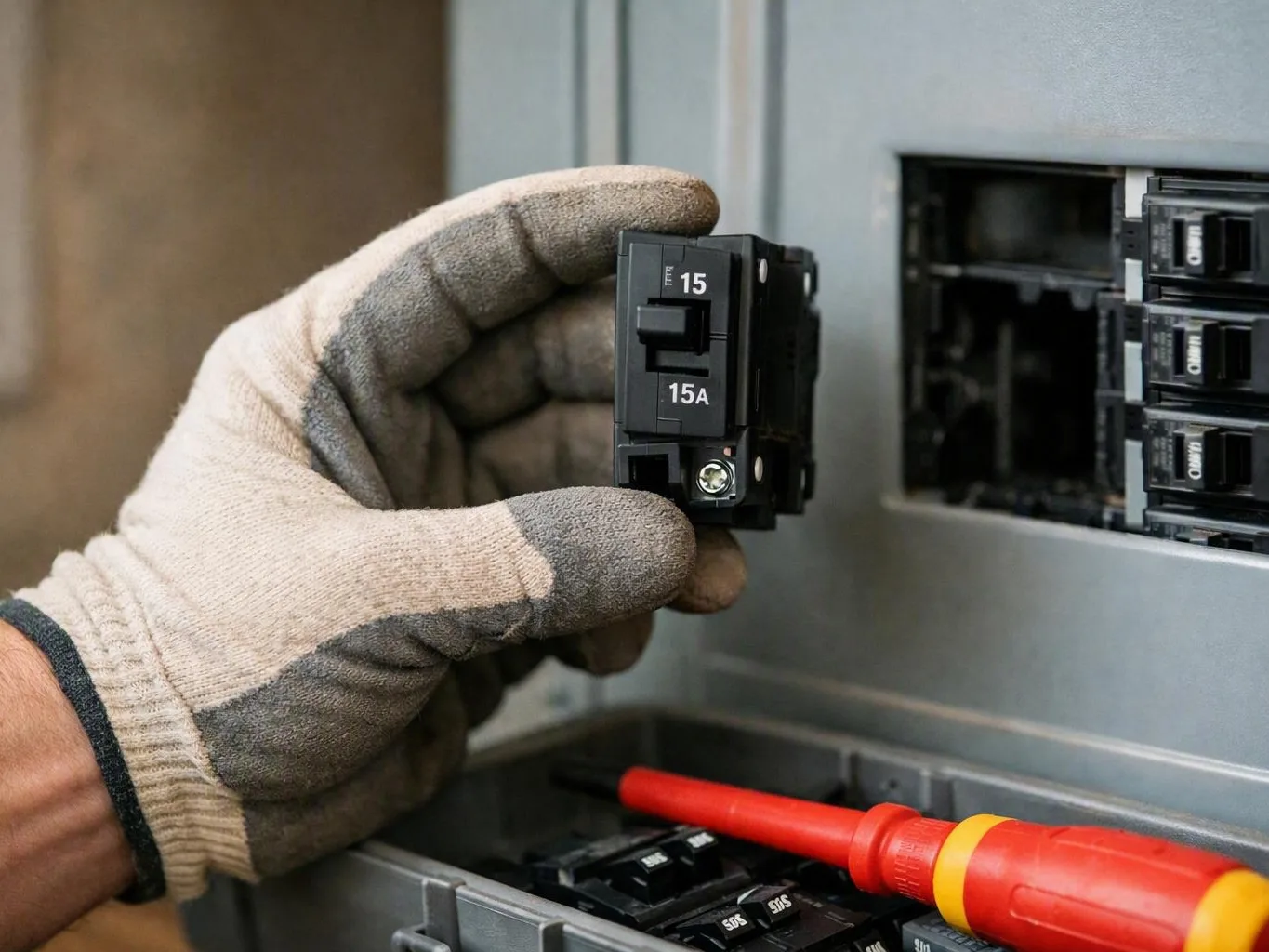
Watt is the standard unit for measuring electrical power. Power describes how fast a device uses or transfers energy. One watt equals one joule per second. A 100-watt lamp uses energy faster than a 10-watt lamp under rated conditions.
Related glossary terms: Current, Load Calculation, Ohm.
The unit applies to lighting, heating equipment, motors, appliances, electronics, and generators. Small devices may use watts. Larger systems often use kilowatts. One kilowatt equals 1,000 watts. The name honors James Watt, an engineer. His work helped describe mechanical power in practical ways.
How Watt Works, Is Measured, or Is Used?
In a direct-current circuit, power comes from multiplying voltage by current. The basic formula is P = V × I. P represents watts. V represents volts. I represents amperes. A 120-volt load drawing 5 amperes uses 600 watts under those conditions.
Alternating-current systems may need more detailed calculations. Power factor affects how well current produces useful work. Electricians may check a nameplate or measure current with a clamp meter. They may also calculate demand from connected equipment. A device marked 1,500 watts draws about 12.5 amperes. This applies on a 120-volt circuit at rated power. Other circuit loads aren't included.
Why Watt Matters?
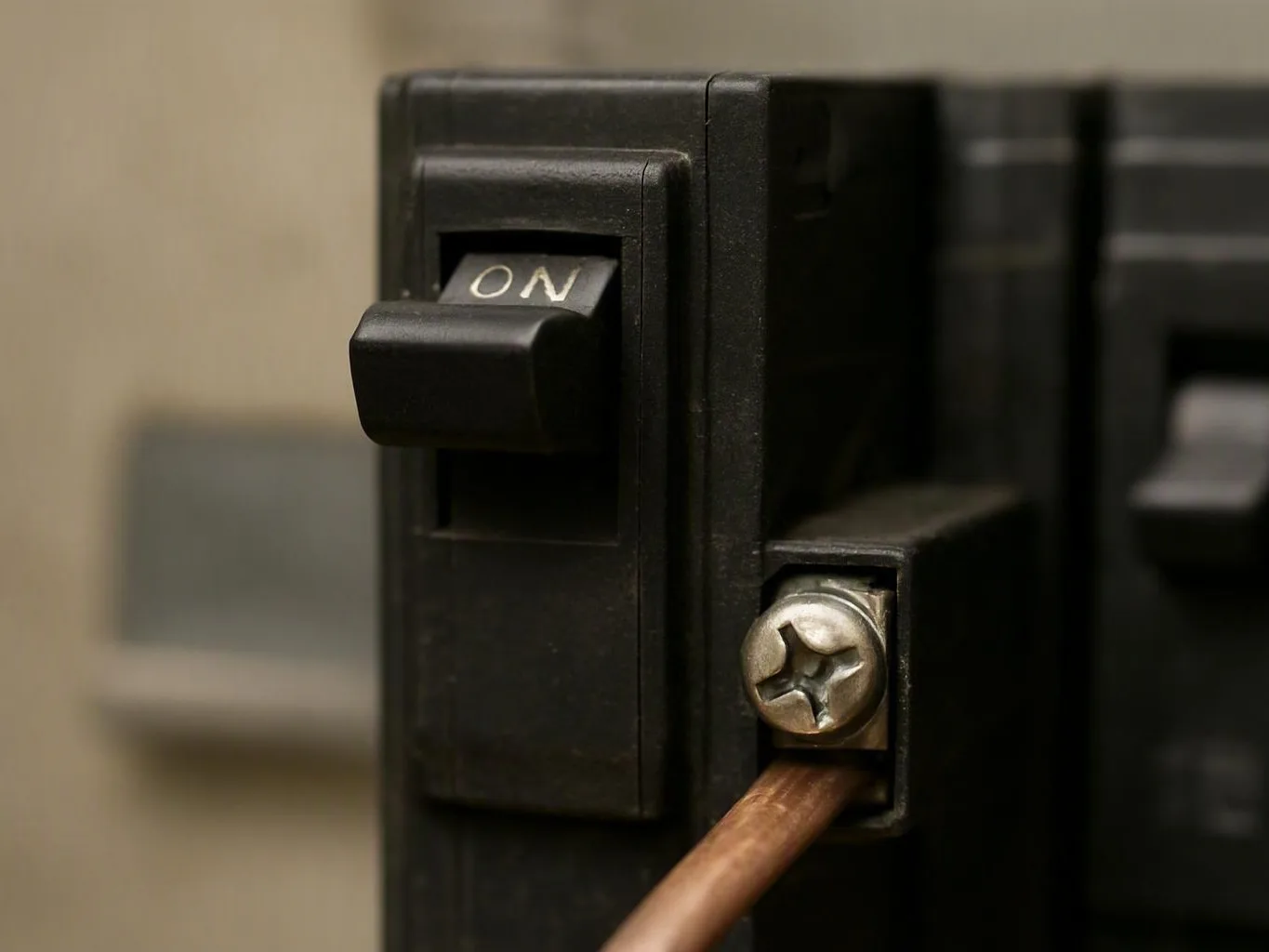
Wattage helps show whether a branch circuit can safely supply connected equipment. Circuit capacity depends on more than total watts. It also depends on voltage, conductor size, breaker rating, equipment type, and operating conditions. Exceeding the intended load can trip a breaker, overheat wiring, or damage equipment.
Watt ratings help compare operating costs and system capacity. A 1,000-watt heater running for one hour uses 1 kilowatt-hour. A 100-watt light running for the same time uses 0.1 kilowatt-hour. The electric bill reflects energy use over time, not watts alone.
When Watt Matters Most?
Watt ratings matter during load calculations, equipment replacement, and new circuit planning. Heating appliances, air-conditioning equipment, pumps, water heaters, electric vehicle chargers, and workshop tools can create large demands. Their starting current may require separate circuit planning. Continuous operation may also require separate planning. This applies even when the nameplate wattage seems manageable.
Check the equipment nameplate before selecting a circuit, generator, inverter, or replacement device. Compare the listed watts or volt-amperes with the available voltage and circuit rating. Then account for other loads operating at the same time. A rating above the circuit design can create nuisance trips or unsafe heat. A rating that's too low can stop equipment from starting or working correctly.
How to Evaluate Watt?
- Read the equipment nameplate and record watts, volts, amperes, and any starting-current information.
- Multiply voltage by current to estimate watts for a simple single-phase load.
- Compare total connected wattage with the circuit breaker, conductor size, and available voltage.
- Check whether motors, compressors, or heating equipment require dedicated circuits.
- Separate watts from watt-hours when estimating energy use and operating cost.
Related Concepts Compared
Watt vs. Watt-hour
A watt measures the rate of power use. A watt-hour measures the amount of energy used over time, such as 1,000 watts operating for one hour.
Watt vs. Volt
A volt measures electrical potential difference. A watt measures power produced or consumed, which depends on voltage and current.
Watt vs. Ampere
An ampere measures the flow of electric current. Wattage combines current with voltage to describe power.
Watt vs. Volt-ampere
A volt-ampere describes apparent power in an alternating-current system. Watts describe real power, which can be lower when power factor is below one.
Expert Note
Nameplate watts describe rated operation, not always the highest demand. Motors and compressors can draw extra current during startup, so circuit and generator sizing should account for starting conditions and other loads running at the same time.
Common Mistakes or Myths About Watt
- Treating watts and watt-hours as the same measurement.
- Adding device wattages without checking voltage and circuit capacity.
- Ignoring motor startup demand when sizing a generator.
- Assuming a higher-wattage replacement is safe on an existing circuit.
- Reading lighting brightness as wattage instead of checking lumens.
Watt in Practice: A Real-World Example
A 1,500-watt portable heater connected to a 120-volt circuit draws about 12.5 amperes. If another substantial load shares that circuit, the combined demand may approach or exceed the circuit rating and trip the breaker.
Sources & Further Reading on Watt
Related Terms
Current
Current is the movement of electric charge through a conductor, device, or circuit. It's measured in…
Load Calculation
Load Calculation is the process of determining how much electrical power a building, panel, feeder, or…
Ohm
Ohm is the SI unit of electrical resistance. It measures how strongly a material or device…
Ohm's Law
Ohm's Law is the relationship between voltage, current, and resistance in an electrical circuit. The law…
Chris Miller Electric
Have Questions About Watt?
Contact Chris Miller Electric for practical guidance on Watt and related electrician work in Fort Wayne.