Should smoke detectors be hardwired or battery powered?
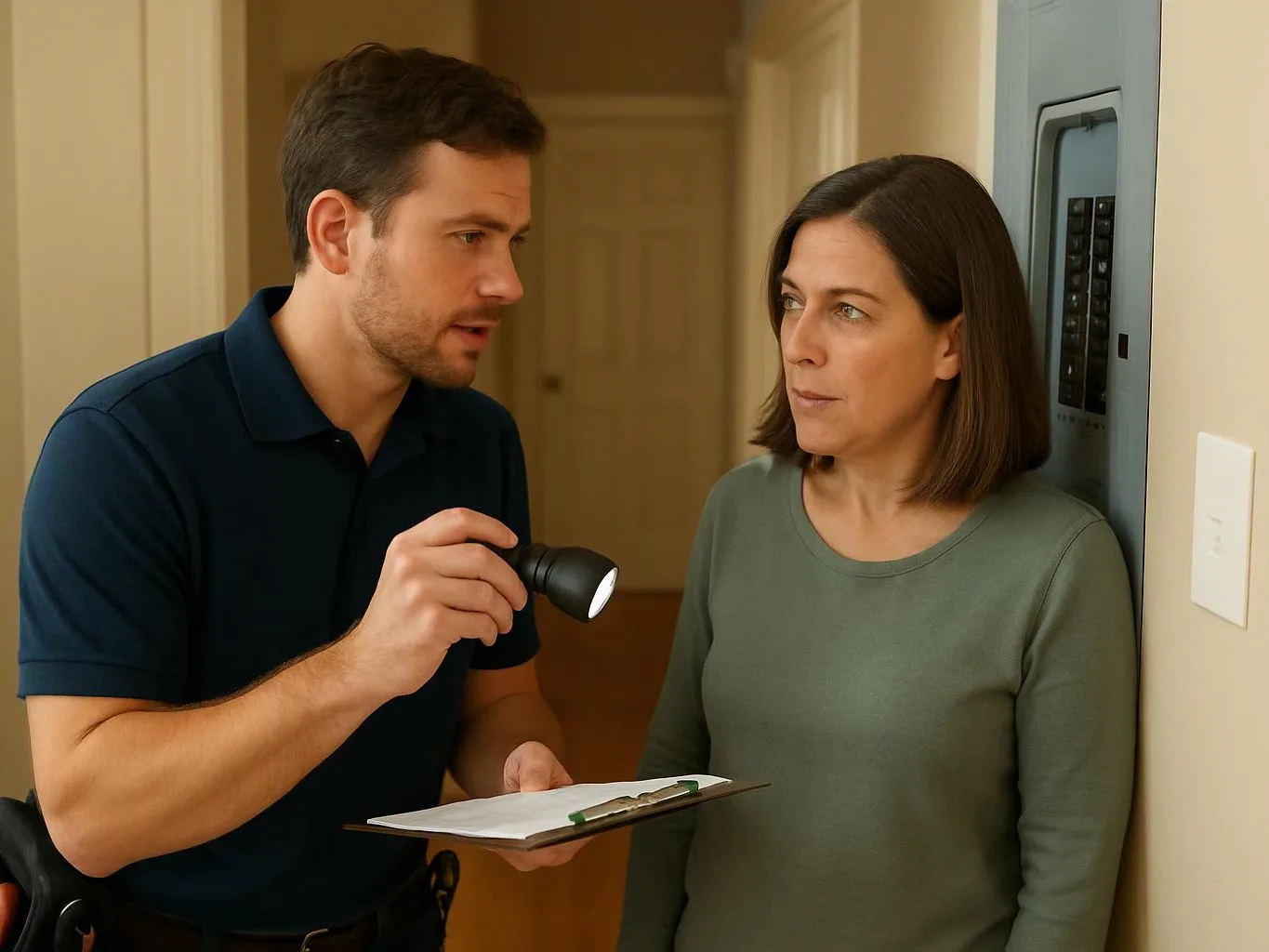
A backup battery supports a detector during a power loss, while a hardwired setup connects to the property’s electrical system. Chris Miller Electric checks the property’s wiring, electrical box, and detector layout before recommending the fitting option. The right choice depends on the existing setup and the work needed to connect each device safely.
Which part of the property decides the scope of smoke detector installation?
The existing electrical layout decides the scope of smoke detector installation. We check the mounting point, electrical box, circuit access, and interconnect wiring before setting the work scope. A battery-powered replacement may need fewer electrical changes, while a hardwired detector can require connection work and testing across linked units.
Which material changes how long smoke detector installation takes?
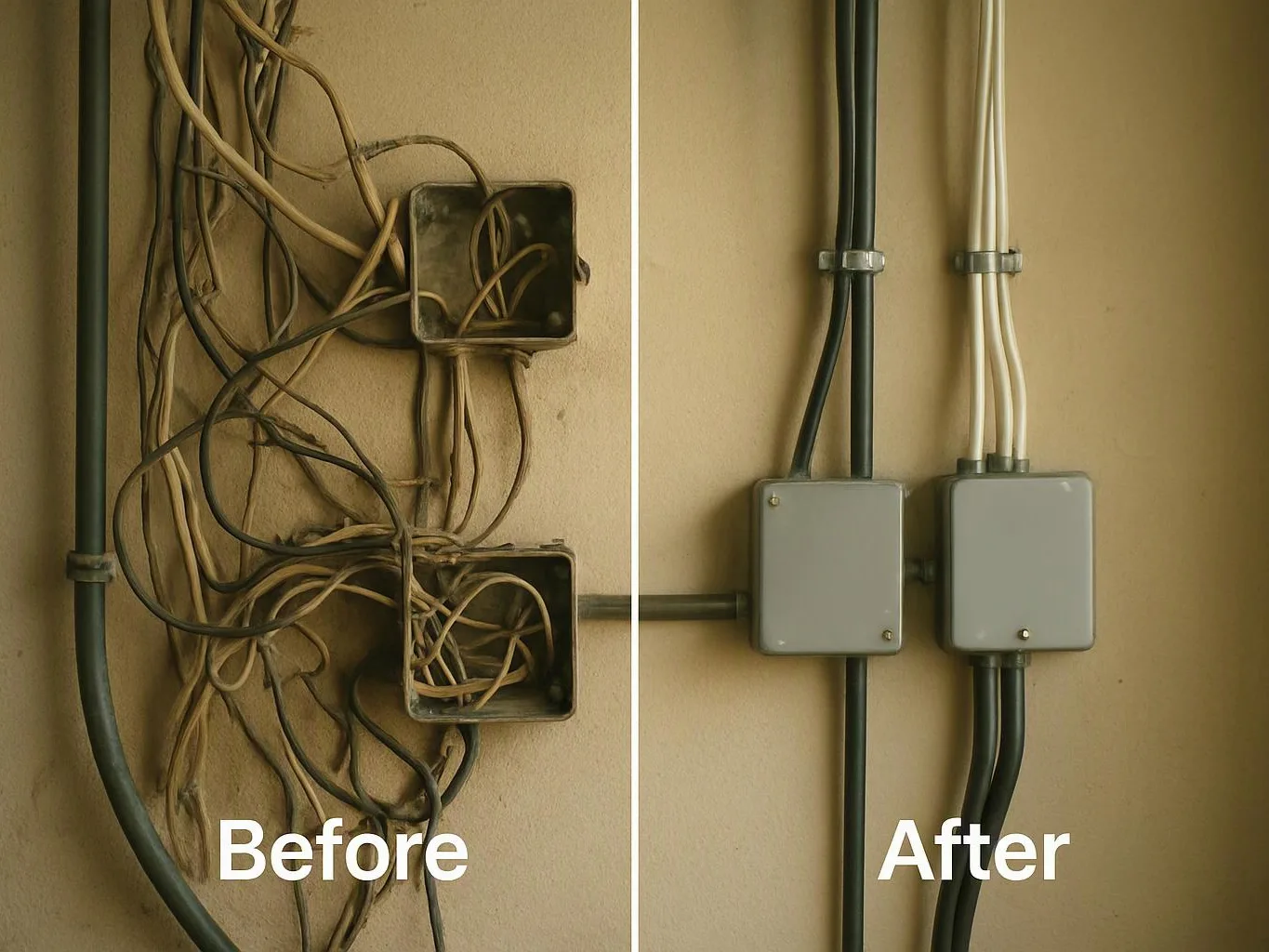
Existing wiring changes the installation time because hardwired detectors need a usable connection path. We inspect the wire, electrical box, mounting surface, and interconnect wiring before beginning. New access or damaged wiring adds work to the scope, so the property condition must be reviewed before we give a schedule.
How does a smoke detector installation visit move from the first call to the last step?
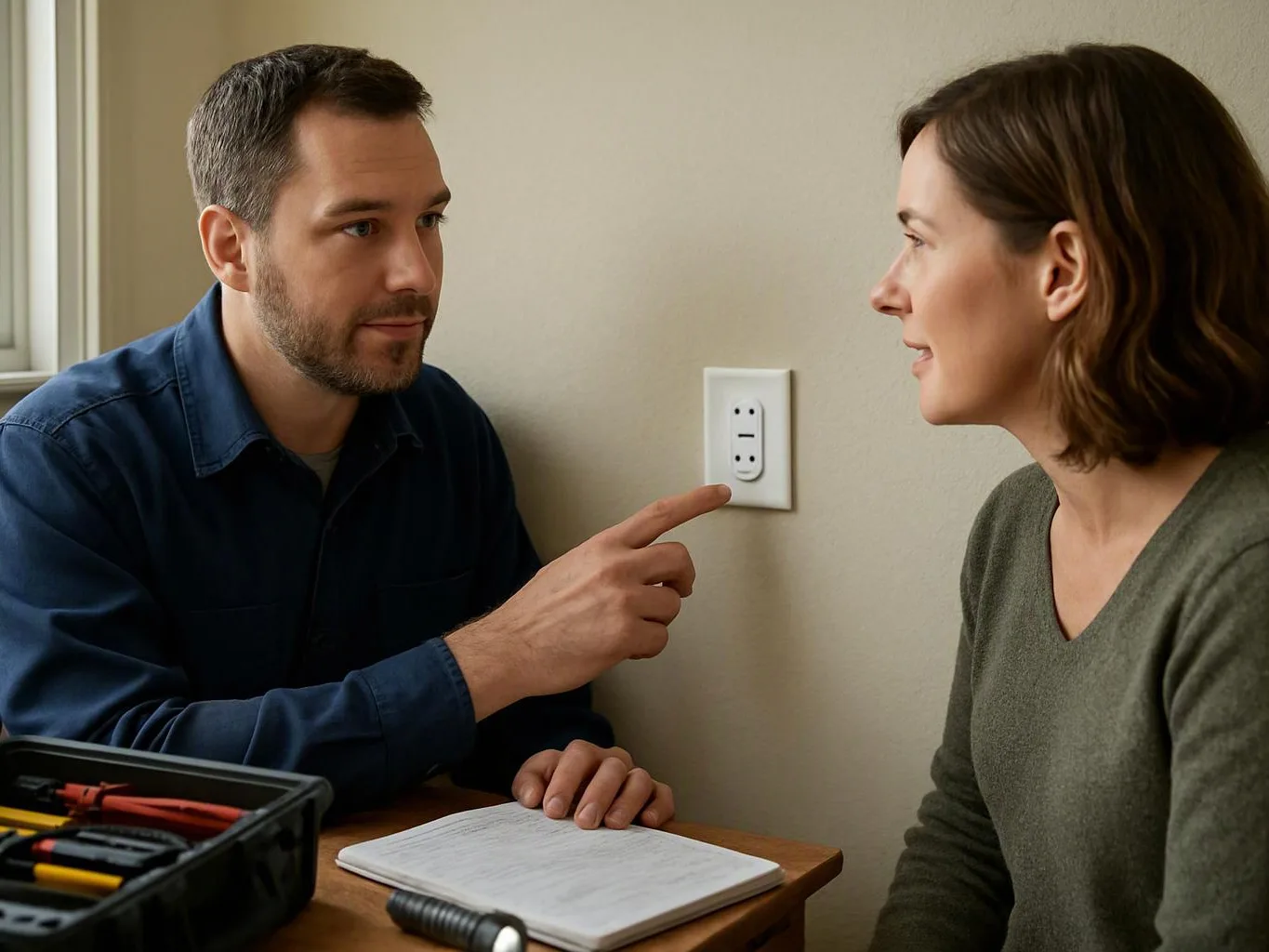
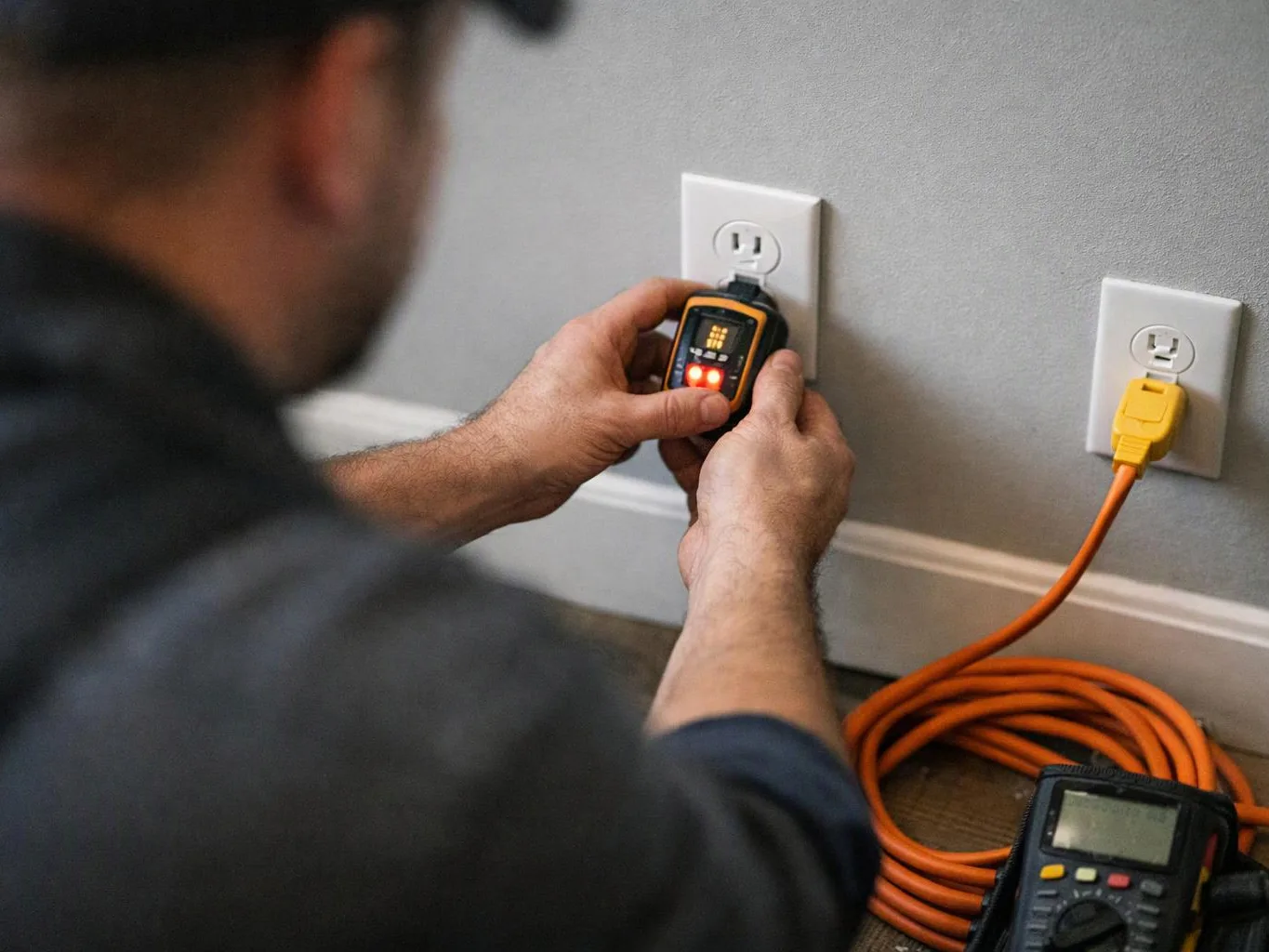
The visit moves from a property review to installation and testing. We first identify the detector type and power source. Next, we inspect the battery compartment or wiring, install the unit, test the alarm, and explain the completed work. You can request a quote by sharing the property type and current detector concern.
What does a battery warning mean on a smoke detector?
A battery warning means the detector’s power source needs attention. We check the battery, battery compartment, detector condition, and hardwired connection when present. A warning can also point to a connection fault, so testing the unit after the battery check helps define the next step.
Why would several smoke detectors need interconnect wiring?
Interconnect wiring lets linked detectors sound together when one unit detects smoke. We inspect the wiring and test the linked devices during installation. This work differs from replacing one battery-powered detector because the connection between units becomes part of the job.
Who installs smoke detectors for homes and businesses in Roanoke?
Chris Miller Electric installs smoke detectors for homes and businesses in Roanoke. We handle detector mounting, battery checks, hardwired connections, interconnect wiring, electrical box review, and post-installation testing. The service also covers Fort Wayne, New Haven, Leo-Cedarville, Huntertown, and nearby Allen County communities.