Where can a new electrical outlet be installed safely?
An electrical box can be installed at a location with safe wall access and a suitable circuit path. Chris Miller Electric checks the wall cavity, wire route, circuit capacity, and mounting height before choosing the spot. The outlet location must also support normal use without placing cords across walkways or interfering with fixtures.
How does a new outlet visit move from the first call to the last step?
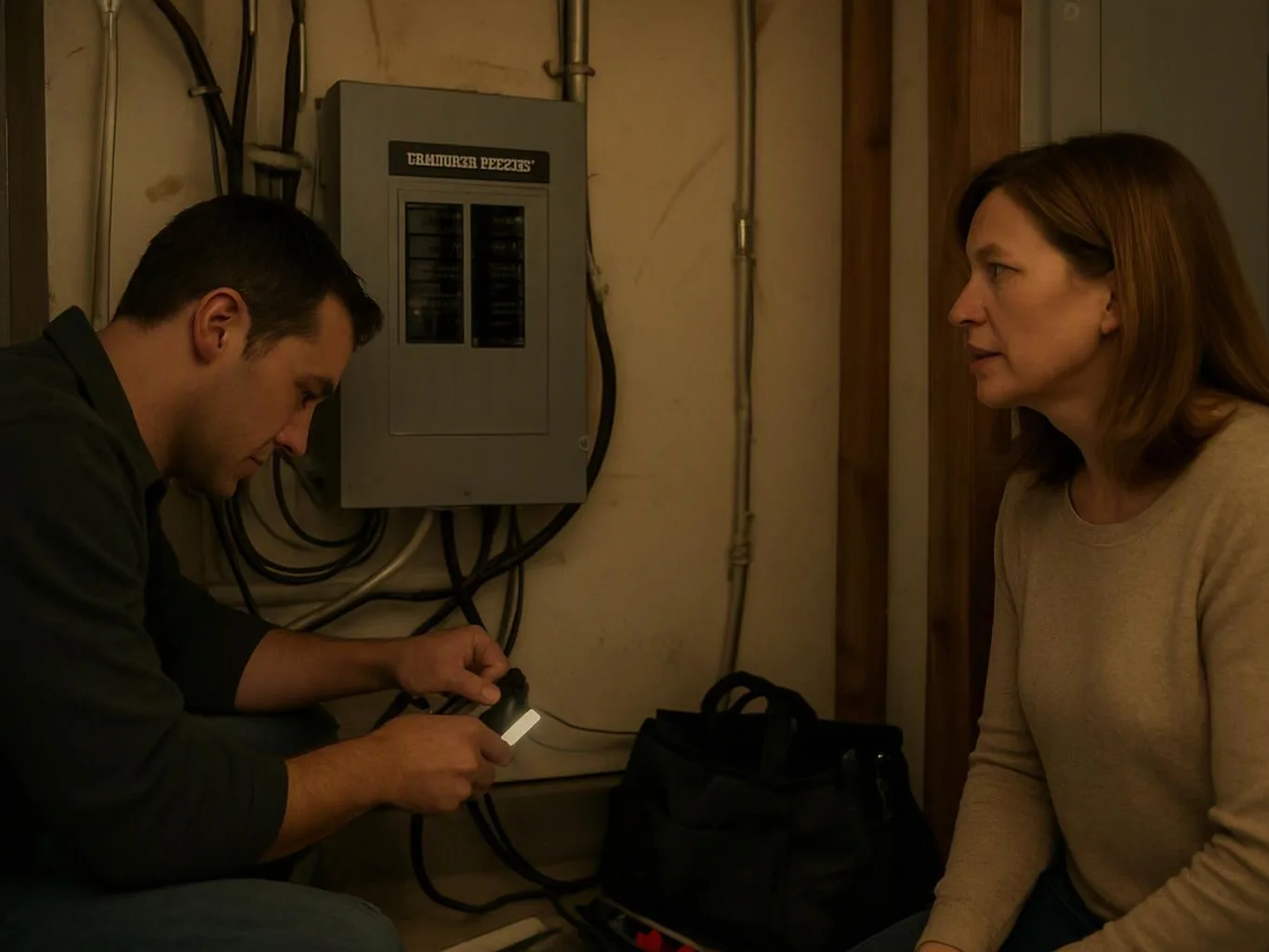
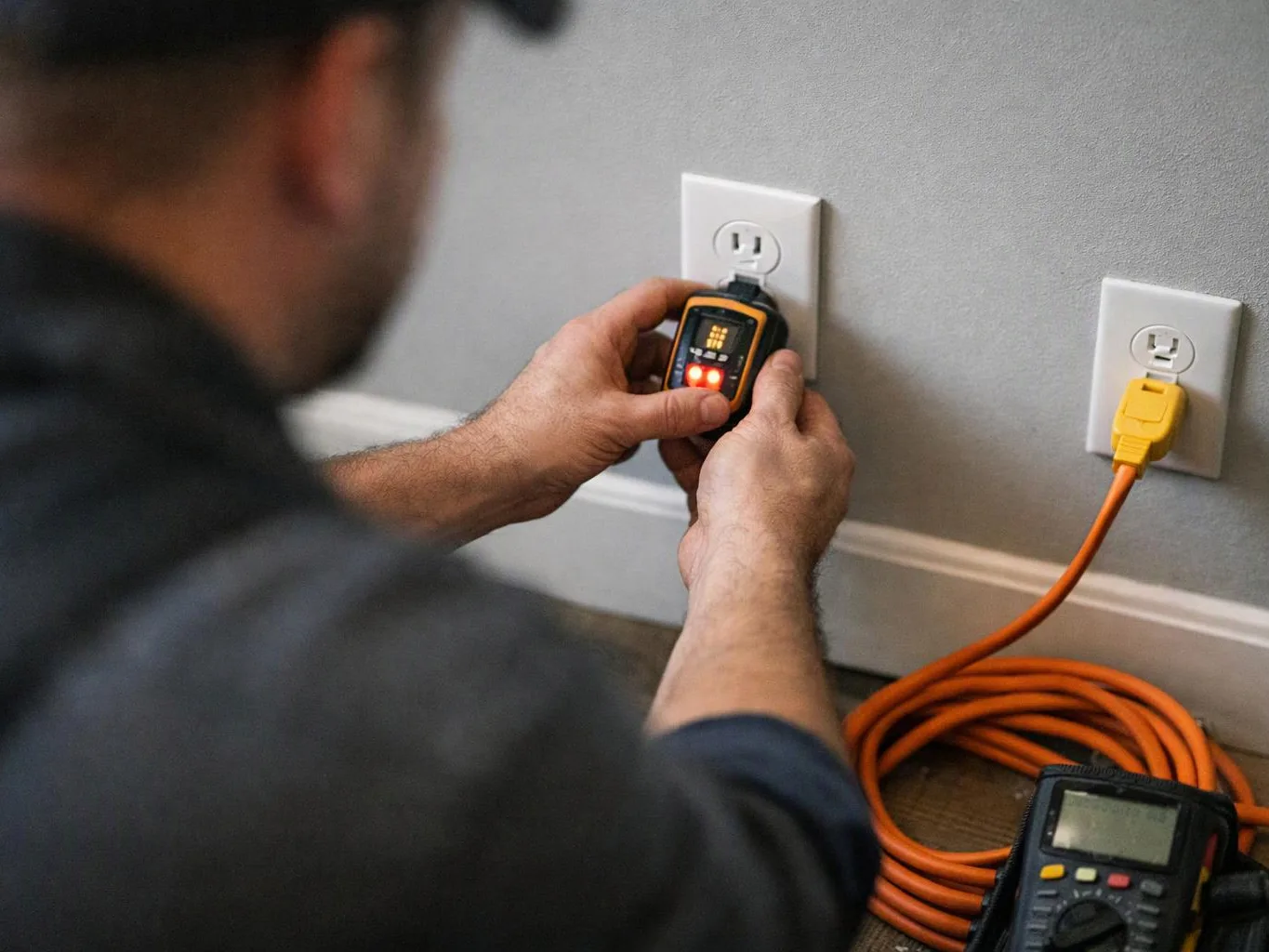
The visit moves from location review to circuit checks, wire routing, mounting, connection, and testing. We first discuss the intended use and inspect access near the proposed outlet. Next, we set the scope and complete the connection. Testing follows the installation so we can explain the finished work and any related concern.
What tells me whether outlet installation fits my property?
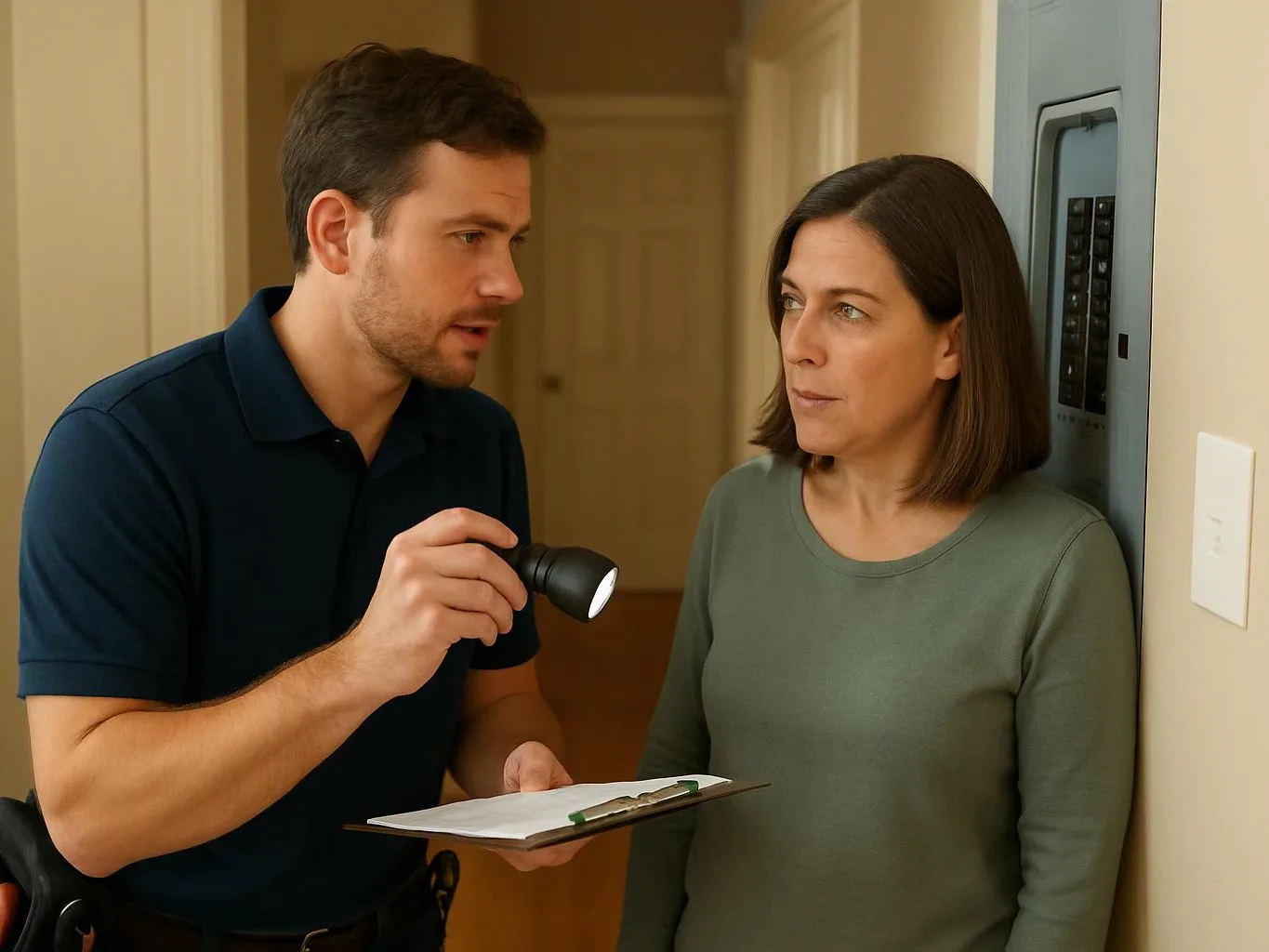
The property fits outlet installation when a safe route and suitable circuit are available for the proposed location. We inspect the wall cavity, circuit path, and existing connections before confirming the scope. A faulty panel, repeated breaker trips, or damaged wiring may require troubleshooting or repair before adding another outlet.
Which part of the property decides the scope of new outlet work?
The existing circuit and wall access usually decide the scope of new outlet work. We check the panel connection, wire route, wall cavity, box location, and intended load. A short accessible route may support focused outlet work, while limited access or weak wiring can call for added electrical repairs.
Why does an outlet feel loose after it is installed?
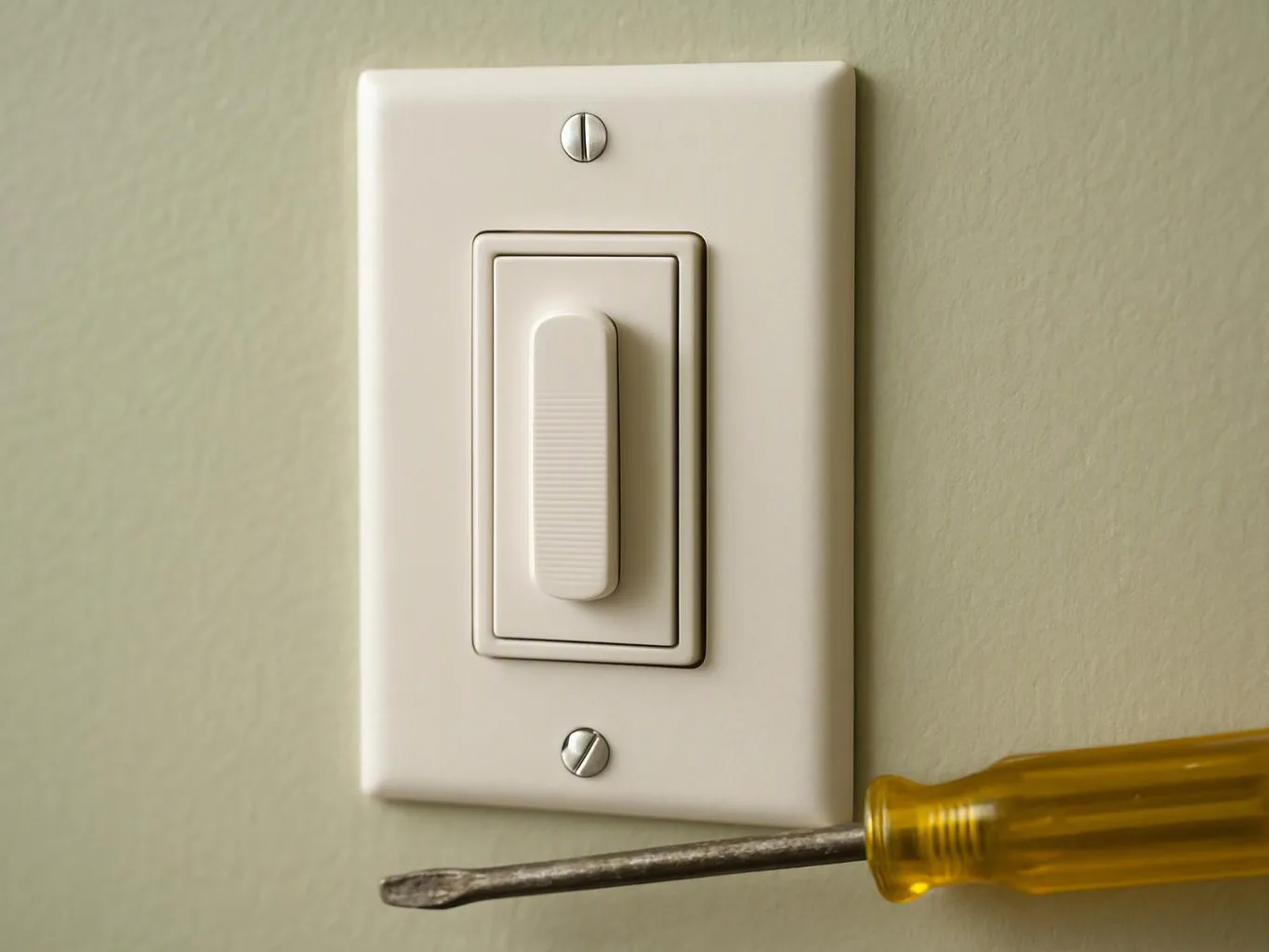
A loose outlet often means the electrical box or mounting screws do not hold the device firmly. We inspect the box, wiring connections, and wall opening before securing or replacing the parts. Stop using the outlet if it shifts, sparks, feels warm, or shows signs of damaged wiring.
When should I stop using an outlet before requesting service?
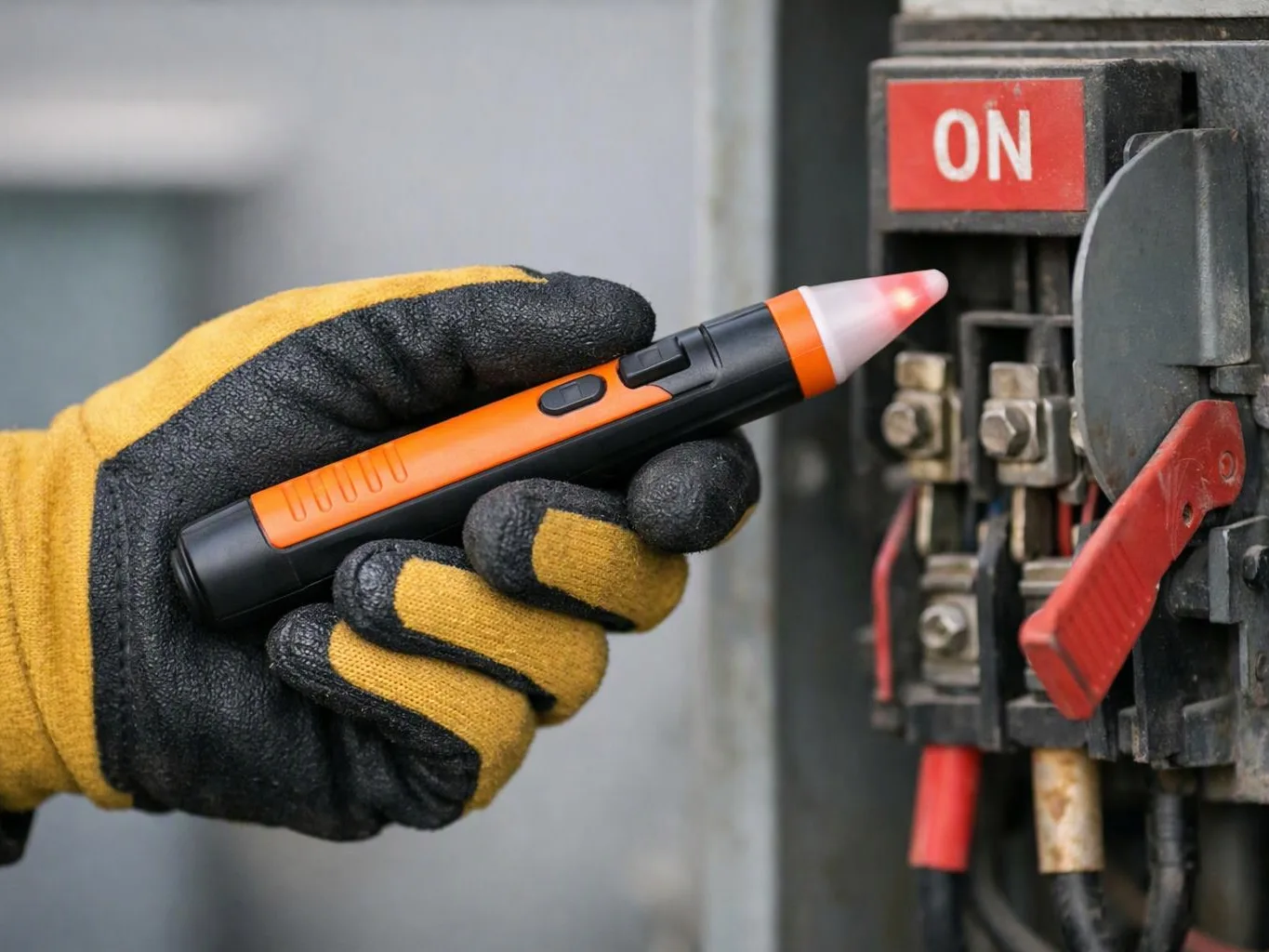
Stop using an outlet when it sparks, smells hot, feels warm, buzzes, or trips the breaker repeatedly. We treat those signs as possible electrical hazards and inspect the outlet, box, circuit, and nearby wiring. Turn off the affected circuit when it is safe to do so, and avoid touching damaged parts.
How do circuit problems change the scope of outlet work?
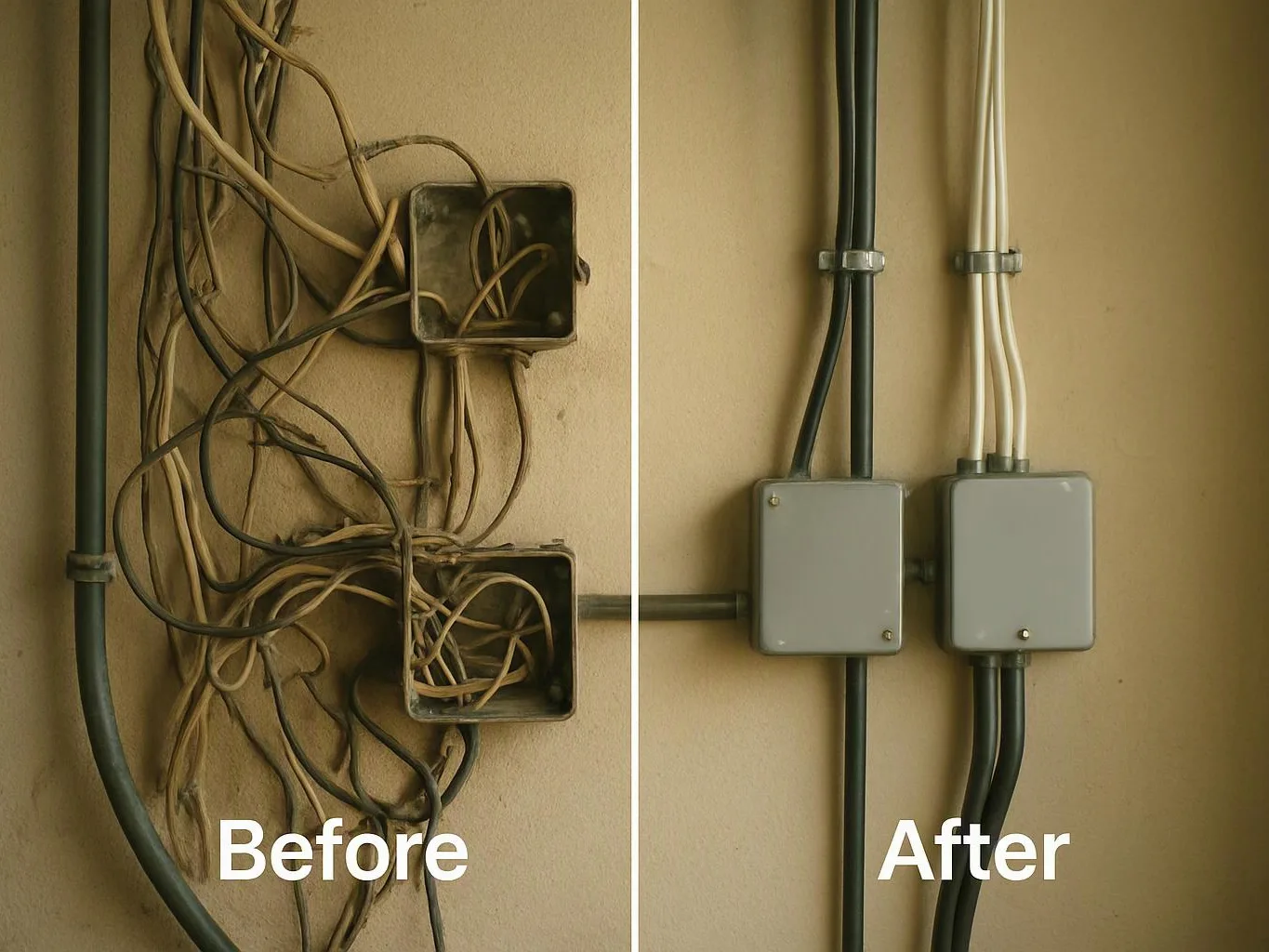
Circuit problems can change outlet work from a new connection into a troubleshooting or repair job. We check breaker operation, circuit capacity, wire condition, and existing connections before adding the outlet. That review helps identify whether the requested location is suitable or whether the underlying circuit needs attention first.