Which outlet type is right for a new installation?
A GFCI receptacle is the right choice where shock protection is needed near moisture. The room, connected load, child access, and outdoor exposure guide the final selection. We may recommend a tamper-resistant outlet, USB outlet, duplex receptacle, or weatherproof cover for other needs. Chris Miller Electric checks the circuit before making the recommendation.
What does the crew look at first during new outlet work?
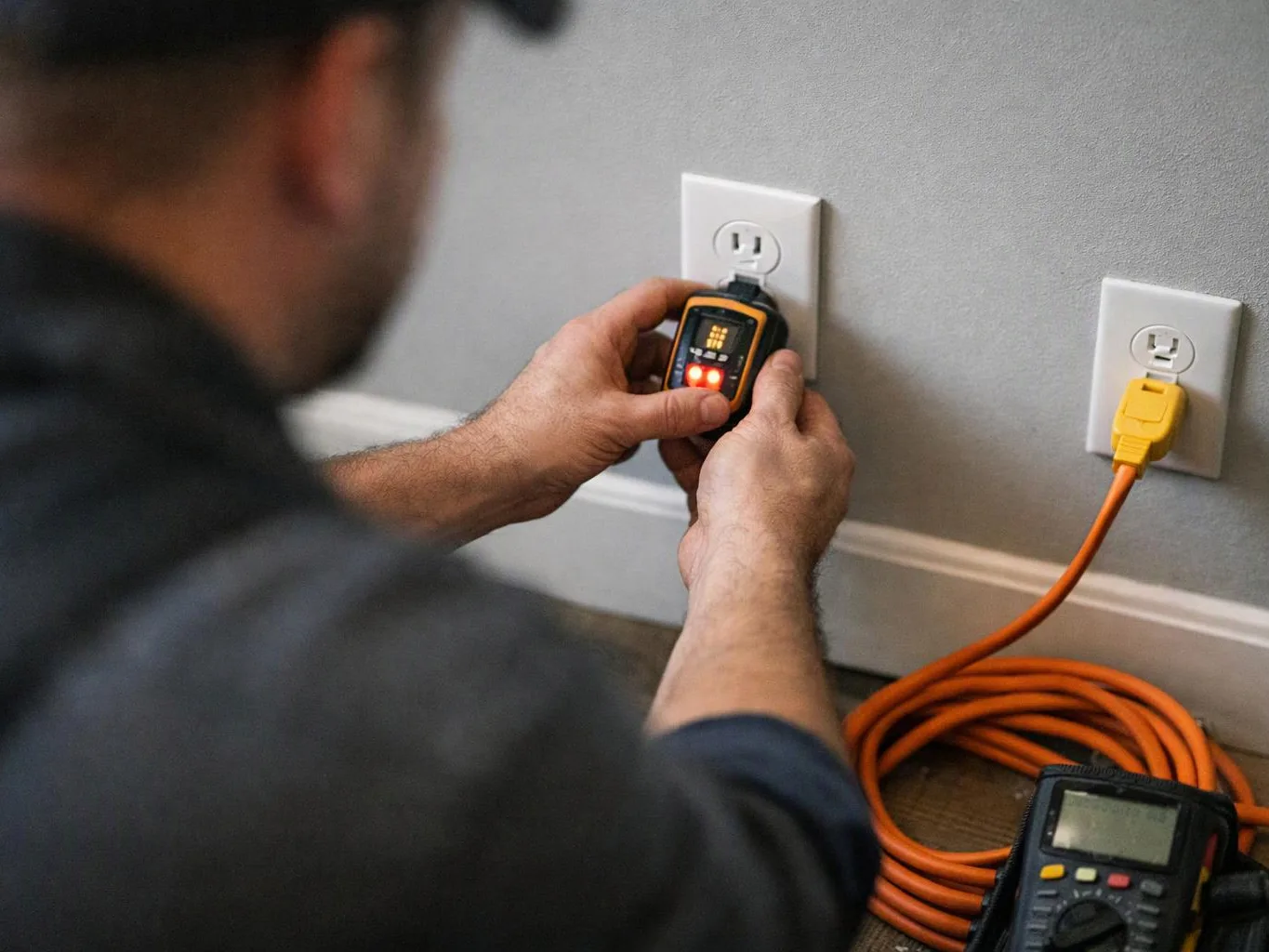
The existing box and circuit condition come first during outlet installation. We inspect the box, wiring, grounding, polarity, and available capacity before selecting parts. That check helps separate a receptacle replacement from a larger wiring or panel repair. We explain the finding before the work moves ahead.
How should I prepare before outlet installation is scheduled?
The intended outlet location and connected equipment should be ready for review before scheduling. Tell us whether the outlet is indoors, outdoors, near water, or part of a business workspace. Clear access to the wall and electrical panel helps us assess the job. Photos of the existing receptacle can also help describe the issue.
Why does a new receptacle trip the breaker?
A breaker trip can result from an overloaded circuit, damaged wiring, a loose connection, or a faulty connected device. We isolate the circuit and inspect the receptacle before replacing parts. Don't keep resetting the breaker if the outlet is hot, sparking, buzzing, or smells burned. Those signs call for urgent electrical attention.
Who is a good fit for outlet installation?
Homeowners, landlords, property managers, and business owners are good fits when they need a receptacle added or replaced. Chris Miller Electric also reviews dead outlets and worn connections. A panel upgrade, subpanel installation, or full rewiring is a different service when the circuit lacks capacity or has wider damage.
What changes the quote for a new receptacle?
The receptacle type, wiring condition, access, box size, and circuit capacity change the quote. A basic replacement has a different scope from a new location or an outlet that needs related circuit work. We inspect the installation point, explain what the work includes, and prepare a quote based on that scope.
When should I stop using an existing outlet?
Stop using an outlet when it sparks, feels warm, smells burned, buzzes, or shows visible damage. We inspect the receptacle and isolate the circuit to find the cause. A damaged outlet may need replacement, but heat or repeated trips can point to wiring or panel trouble that needs a wider repair.