Skip to content

Emergency EV Charger Repair in New Haven, Indiana

Cable assembly damage can be repaired safely in New Haven when the connector, pins, housing, and insulation pass inspection. We diagnose the fault before setting the repair scope.

Licensed & InsuredWarranty AvailableSame-Day ServiceUpfront, Transparent Pricing

Quick Summary: emergency EV charger repair in New Haven, Indiana

Emergency EV Charger Repair in New Haven is provided by Chris Miller Electric for damaged charging connectors, cable assemblies, terminal pins, and related electrical faults. We serve residential and commercial properties across New Haven, Fort Wayne, Leo-Cedarville, Huntertown, and nearby Allen County communities, with phone support available 24 hours.

  • What we do: Chris Miller Electric provides Emergency EV Charger Repair for residential and commercial EV charging equipment in New Haven, Indiana.
  • What is included: We inspect charging connectors, terminal pins, insulation damage, connector housings, wiring, and related electrical faults.
  • What you get: The customer receives a clear repair scope for safer, working EV charging equipment.

Why does my EV charging connector keep stopping during a charge?

A damaged connector, worn terminal pin, broken conductor, or insulation fault can stop charging. We inspect the connector and cable, isolate unsafe parts, and test the charging circuit before explaining the repair scope.

Emergency EV Charger Repair for Cable and Connector Faults

Emergency EV charger repair focuses on an existing charging setup that shows damage, loses connection, or stops charging. The buyer's main decision is whether the fault sits in the connector, cable, charger, branch circuit, or another part of the electrical system.

We inspect the charging connector and terminal pins first, then check insulation and the connector housing for heat marks, cracks, looseness, or exposed conductors. A damaged cable assembly may need repair, while a broader electrical fault may call for troubleshooting, panel service, or rewiring.

The service fits homes, workplaces, and other properties with EV charging equipment. It doesn't replace a full EV charging installation when the property needs a new charger, new circuit, or load calculation.

  • Check the charging connector for cracks, heat damage, looseness, and visible wear.
  • Inspect terminal pins and insulation for signs of poor contact or conductor damage.
  • Trace the fault through the charger, branch circuit, breaker, and related wiring.
  • Explain whether the job calls for component repair, electrical troubleshooting, or a larger upgrade.
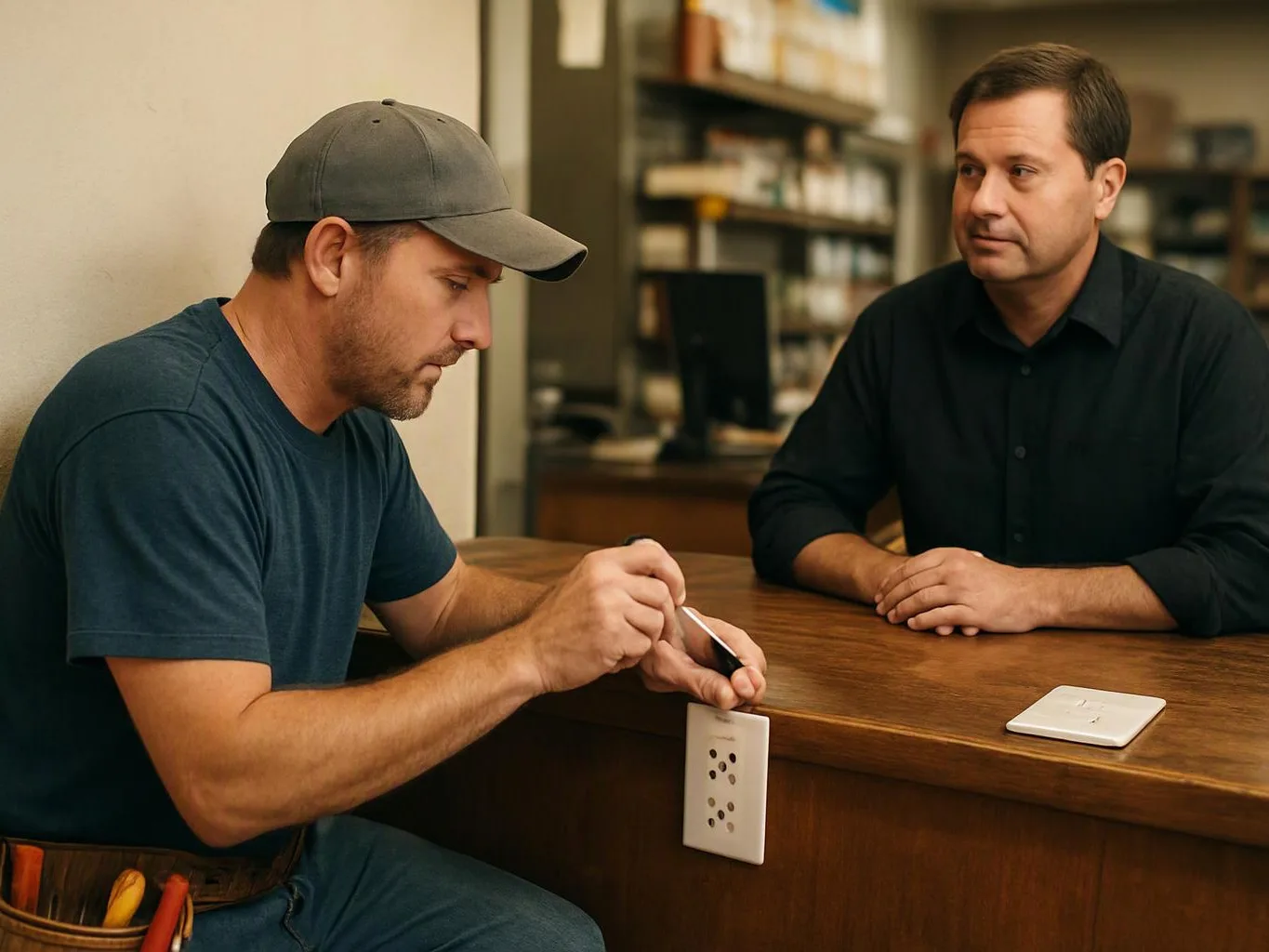
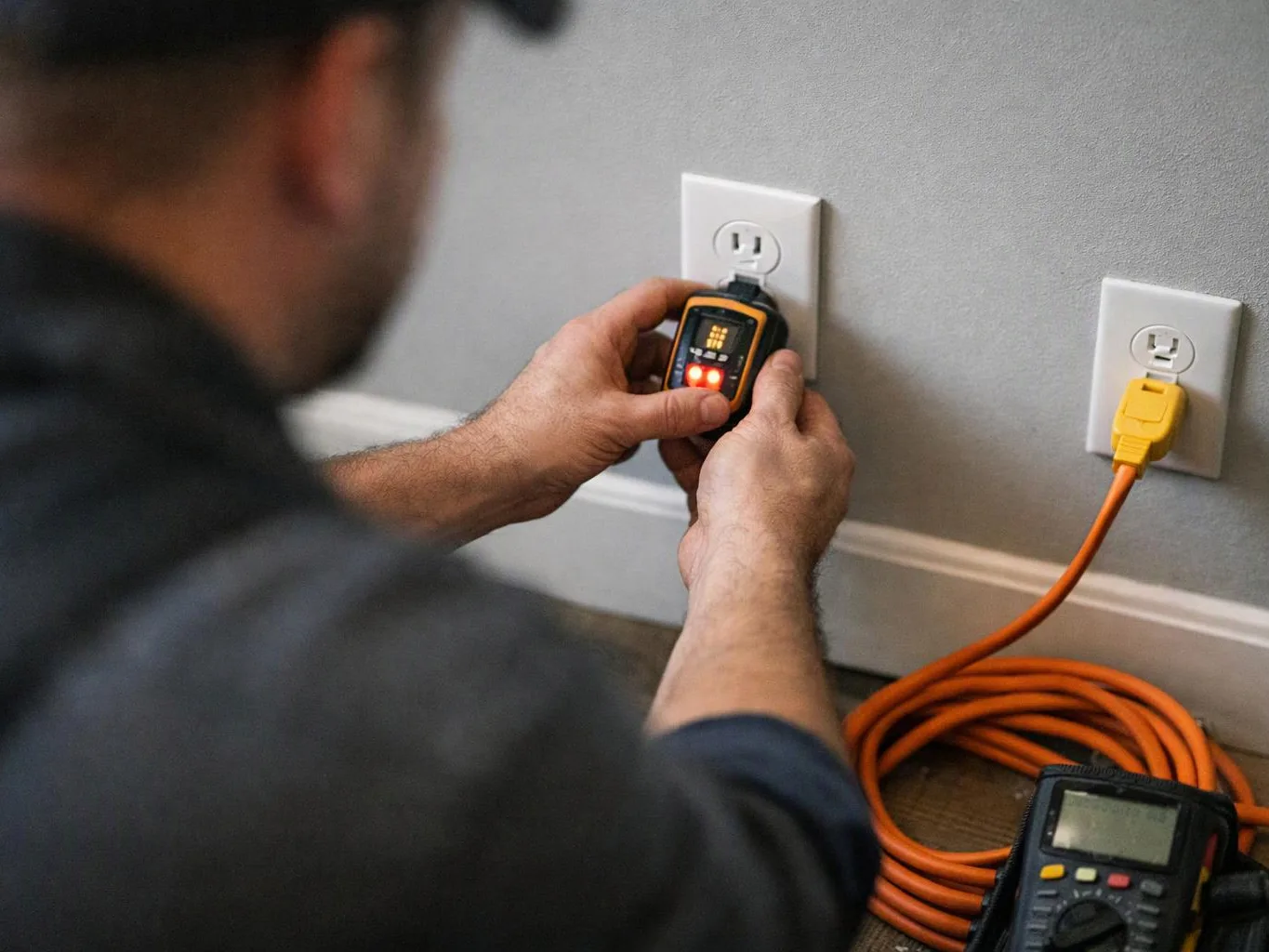
A man in a cap works on a wall outlet while another man watches across a wooden counter

Service Overview

Emergency EV Charger Repair is a service that finds and fixes unsafe or failed parts in EV charging equipment.

  • The work differs from EV charging installation because repair focuses on an existing charger, connector, cable, or circuit that no longer works safely.
  • We provide this service for homes and businesses in New Haven and nearby Allen County communities.

What emergency EV charger repair includes

Chris Miller Electric provides comprehensive Emergency EV Charger Repair in New Haven. Here's what you get:

  • We inspect the charging connector and connector housing for physical damage.
  • We check terminal pins for wear, looseness, heat marks, and poor contact.
  • We examine insulation for cuts, melting, exposed conductors, and other safety concerns.
  • We trace charger wiring and related circuits to locate the fault.
  • We isolate unsafe equipment before repair work begins.
  • We explain the repair scope and any related electrical work the property may need.
Process

How we complete emergency EV charger repair

1

Inspect the charger and connector

We examine the charger, charging connector, cable, housing, and visible wiring for damage or unsafe conditions.

2

Isolate the affected equipment

We keep damaged equipment from further use while we trace the fault and check the related electrical supply.

3

Test the charging circuit

We check the branch circuit, breaker, wiring, terminal pins, and charger connections to locate the failure.

4

Name the repair before it starts

We explain whether the work calls for connector repair, cable work, electrical troubleshooting, or a larger upgrade.

5

Verify the repaired equipment

We test the repaired connection and related electrical work before explaining safe use and any follow-up needs.

How we approach damaged EV charging equipment

Connector damage gets a direct inspection

We examine the connector, pins, housing, and insulation before setting the repair scope. This service is the wrong fit when you need a new charger installation or a new charging circuit.

The circuit gets checked with the charger

A charger fault can involve the branch circuit, breaker, wiring, or panel. We trace the electrical path so the repair addresses the part causing the failure.

Homes and businesses receive practical guidance

We handle residential and commercial electrical work, so the inspection considers access, equipment use, and the property's broader electrical needs.

What damaged charger repair changes for you

A focused diagnosis helps separate connector damage from a wider circuit problem.

Early isolation reduces the chance that damaged wiring remains in use.

Clear repair findings help you decide between component repair and broader electrical work.

Residential and commercial customers receive a service path suited to the property's charging setup.

New Haven customers can request help for both urgent charger faults and planned electrical corrections.

Repair scope by charging equipment condition

These categories help separate a focused connector repair from a broader electrical service need.

Equipment conditionLikely service focusWhat we check
Damaged charging connectorConnector and cable inspectionPins, housing, insulation, and contact points
Damaged cable insulationCable and safety assessmentExposed conductors, heat marks, and related wiring
Charger circuit faultElectrical troubleshootingBreaker, branch circuit, panel, and charger supply

The Chris Miller Electric Standard

  • Any-Hour Service
  • Urgent Requests
  • Troubleshooting Repairs
  • Electrician Support

Questions about emergency EV charger repair

Can a damaged EV charging connector be replaced safely?

Cable assembly replacement is safe when the connector, terminal pins, insulation, housing, and related wiring pass inspection. Chris Miller Electric isolates the equipment, checks the damage, and explains whether repair or replacement fits the charger. Continued use is not safe when conductors are exposed or the connector shows heat damage.

What does the crew look at first during charger repair?

The charging connector gets the first close inspection for cracks, heat marks, loose contact, and visible wear. We then check the terminal pins, connector housing, insulation, and electrical supply. Those findings help separate a damaged charger part from a branch circuit or breaker problem.

What should be checked before repair is scheduled?

Visible damage, charger symptoms, equipment location, and access to the electrical panel should be checked before scheduling. Photos can help describe a cracked housing or damaged insulation, but they don't replace an inspection. Keep the charger disconnected if the cable is cut, melted, or exposed.

Which parts can make the repair scope larger?

The branch circuit, breaker, panel, terminal pins, connector housing, and charger inlet can expand the repair scope. We trace the fault before recommending work. A damaged connector may need focused repair, while a wiring or panel issue may call for electrical troubleshooting or an upgrade.

When is charger repair the wrong service?

New EV charging installation is the better service when the property lacks the required charger, circuit, or electrical capacity. We assess the existing setup first, then explain whether the need involves installation, a panel upgrade, a subpanel, or repair. A damaged existing charger remains suited to repair when its parts and supply can be safely addressed.

Why should I stop using a charger with exposed insulation?

Exposed insulation can leave conductors unprotected and create a shock or fire hazard. We isolate the affected charger and inspect the cable, connector, pins, housing, and supply circuit. Do not tape over severe damage and continue charging, because that can hide the fault without correcting it.

How do residential and commercial charger repairs differ?

Residential and commercial repairs differ mainly in access, equipment use, and the electrical systems serving the charger. Chris Miller Electric handles both property types and checks the charger, circuit, panel, and site access. Business owners should identify the affected charging point so the inspection covers the equipment and its electrical source.

Contact

Request an Emergency EV Charger Repair Quote

Tell Chris Miller Electric what happened and request a quote for the charging equipment; urgent requests get priority scheduling.

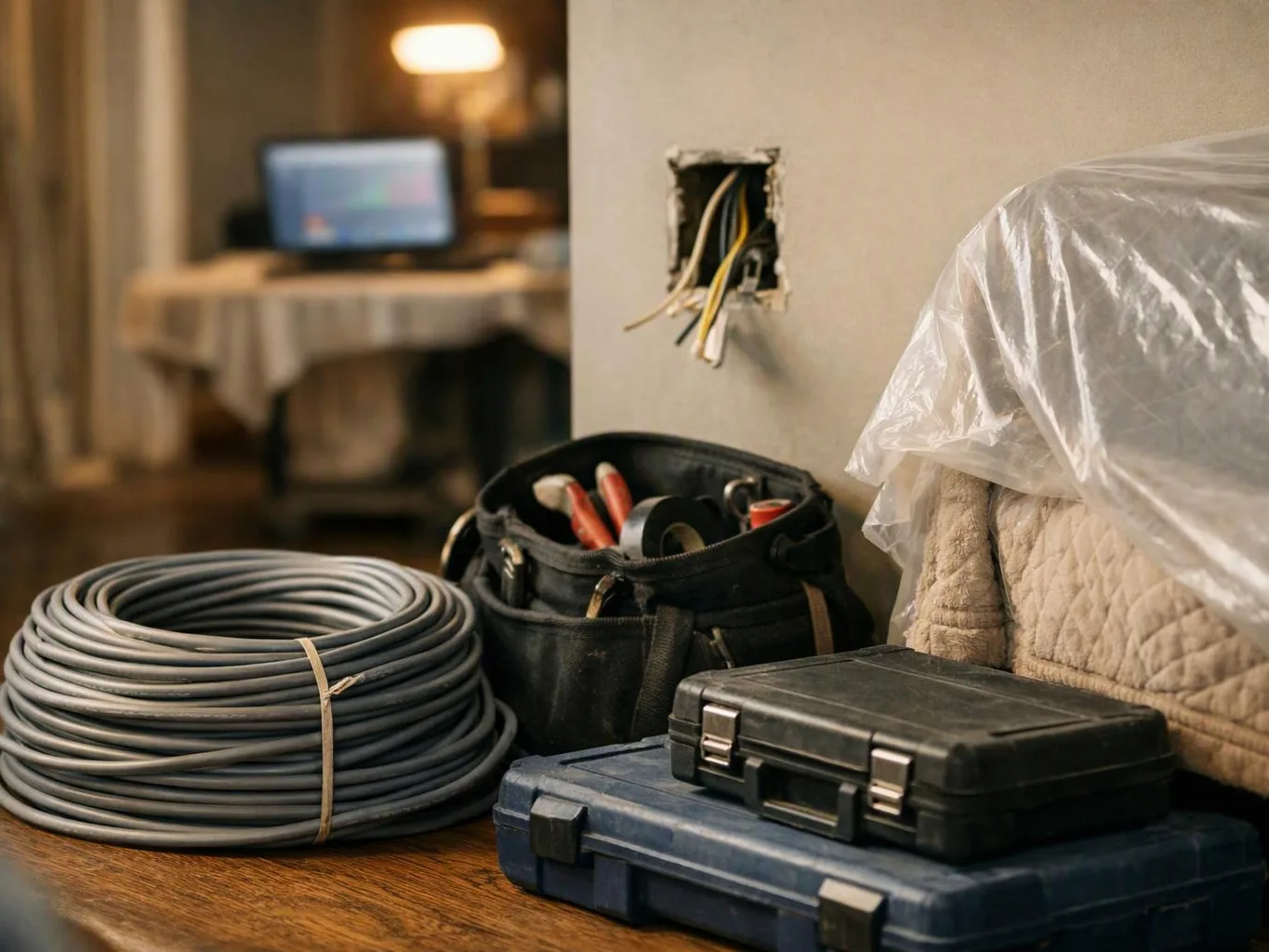
Coiled cable, tool bags, and cases sit by a wall opening with exposed wires in a dim room

ZIP Codes We Serve in New Haven, Indiana

46774

Emergency EV Charger Repair in Other Areas

(260) 305-8344