Which electrical problems need emergency repair?
Power outages need emergency repair when they involve burning odors, sparking outlets, exposed wiring, or repeated breaker trips. Chris Miller Electric checks the affected circuit and isolates unsafe parts first. A dead outlet without warning signs may need routine troubleshooting, but heat, smoke, sparks, or damaged wiring raise the urgency. Stop using the affected area and describe the symptoms when requesting service.
What does the crew look at first during an urgent repair?
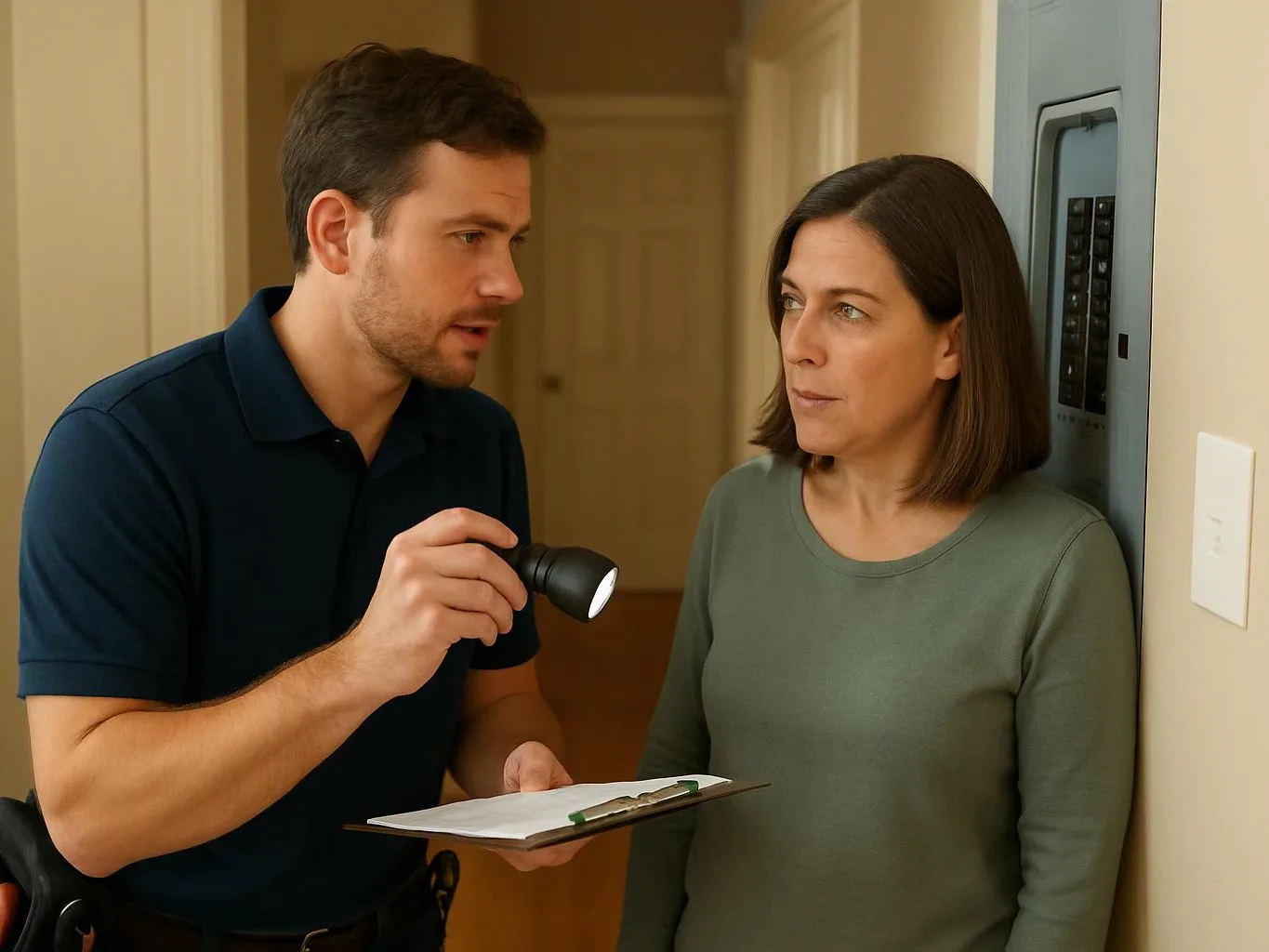
The first check covers the panel, affected breaker, visible wiring, and the outlet or switch tied to the symptom. We look for heat, loose connections, damage, and signs of a wider circuit fault. Circuit tracing follows when the source is not visible. This approach helps separate one failed part from a problem that reaches beyond one outlet.
Who is a good fit for this service, and who needs different work?
Homes and businesses with an active electrical fault are a good fit for urgent repair. Planned lighting upgrades, new outlets, and EV charging installation belong in scheduled electrical work when no immediate hazard exists. Utility-side outages also need the utility company. We assess property-side faults involving panels, breakers, outlets, switches, and wiring.
What happens at each stage of an urgent electrical repair?
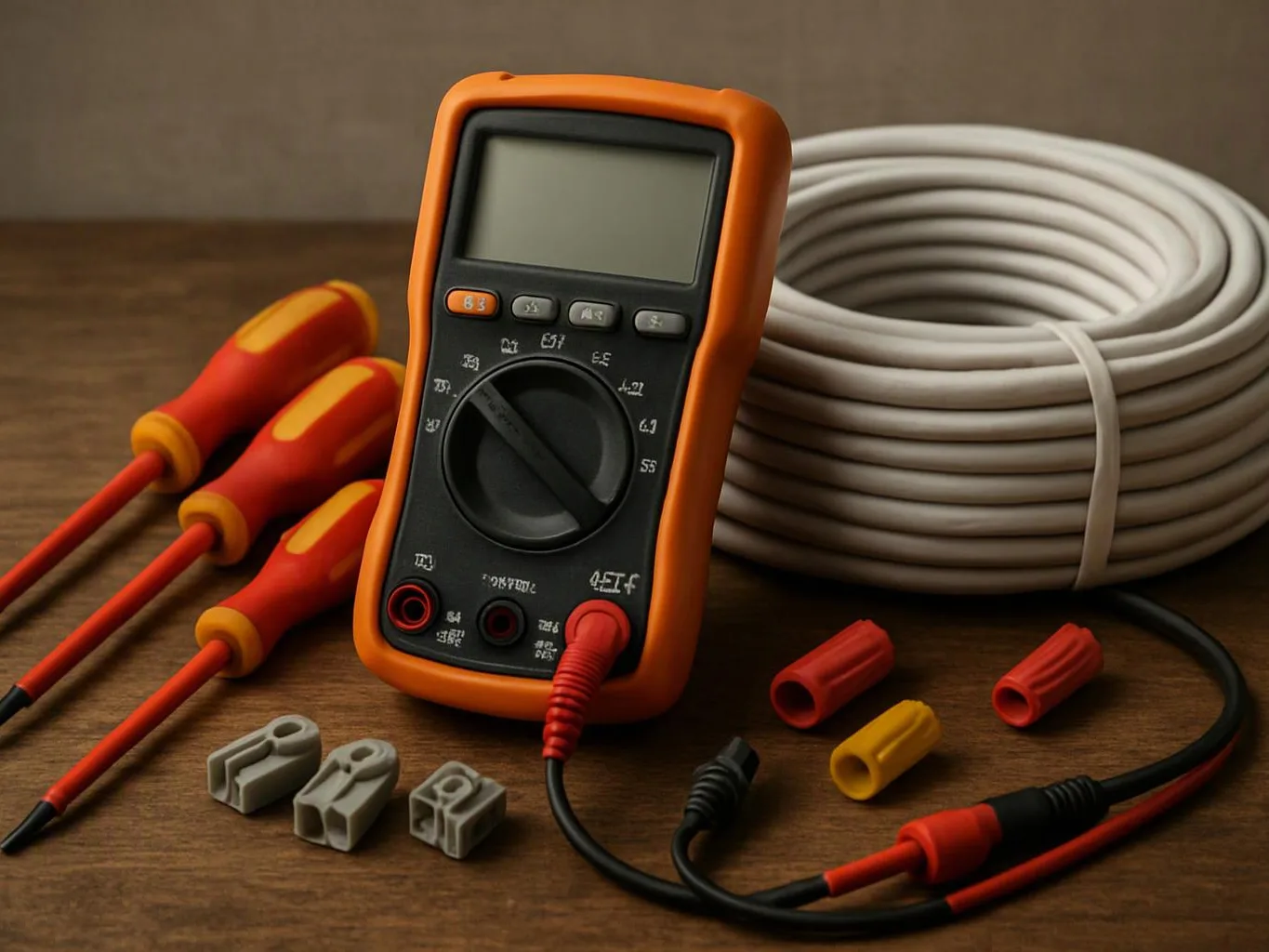
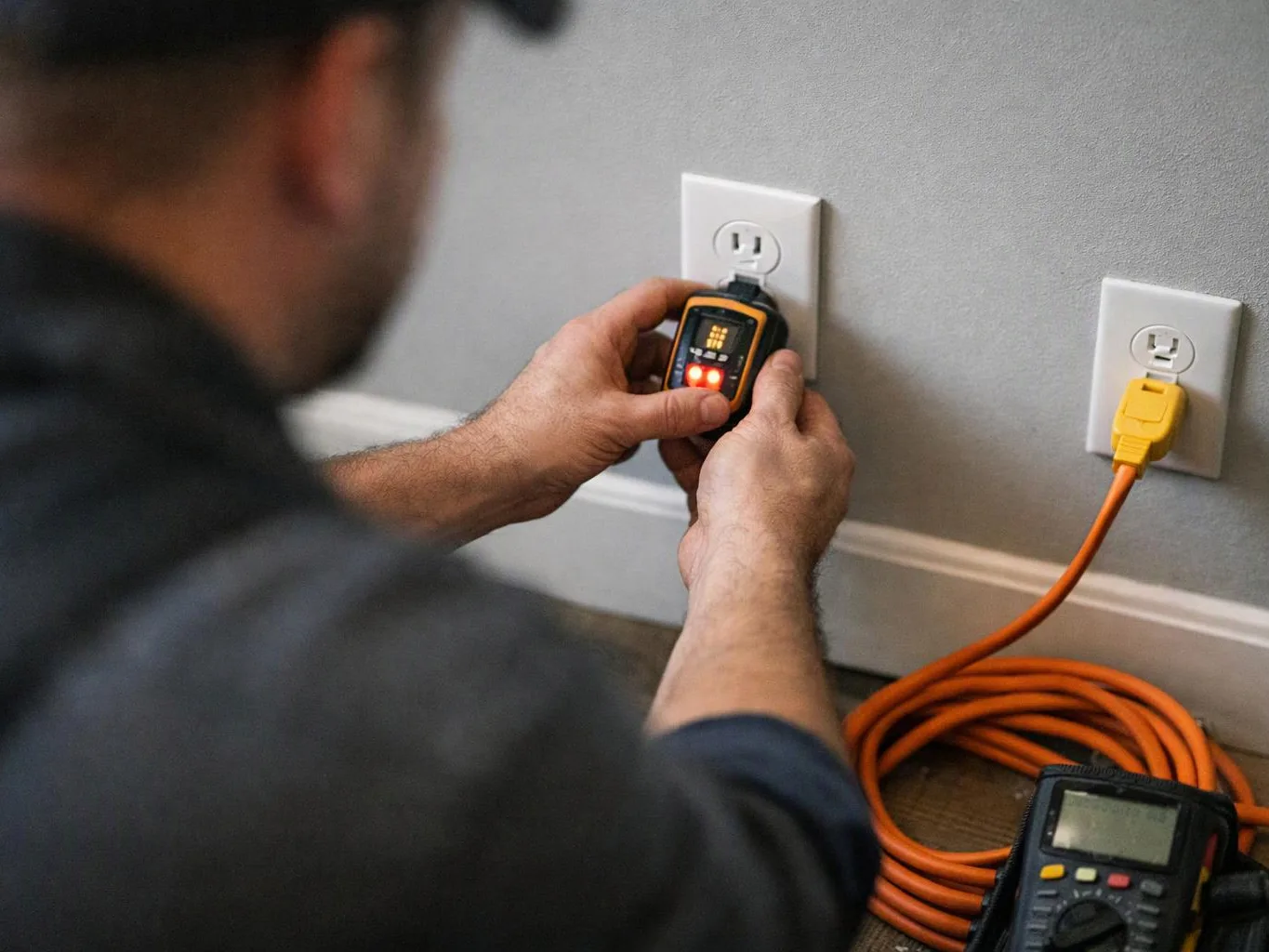
The repair starts with symptom questions, then moves to inspection, circuit tracing, isolation, repair planning, and testing. We first identify the affected area and check for immediate hazards. The agreed scope then determines which parts receive attention. Testing and verification follow the repair so the affected circuit receives a final check.
How does exposed wiring change the repair approach?
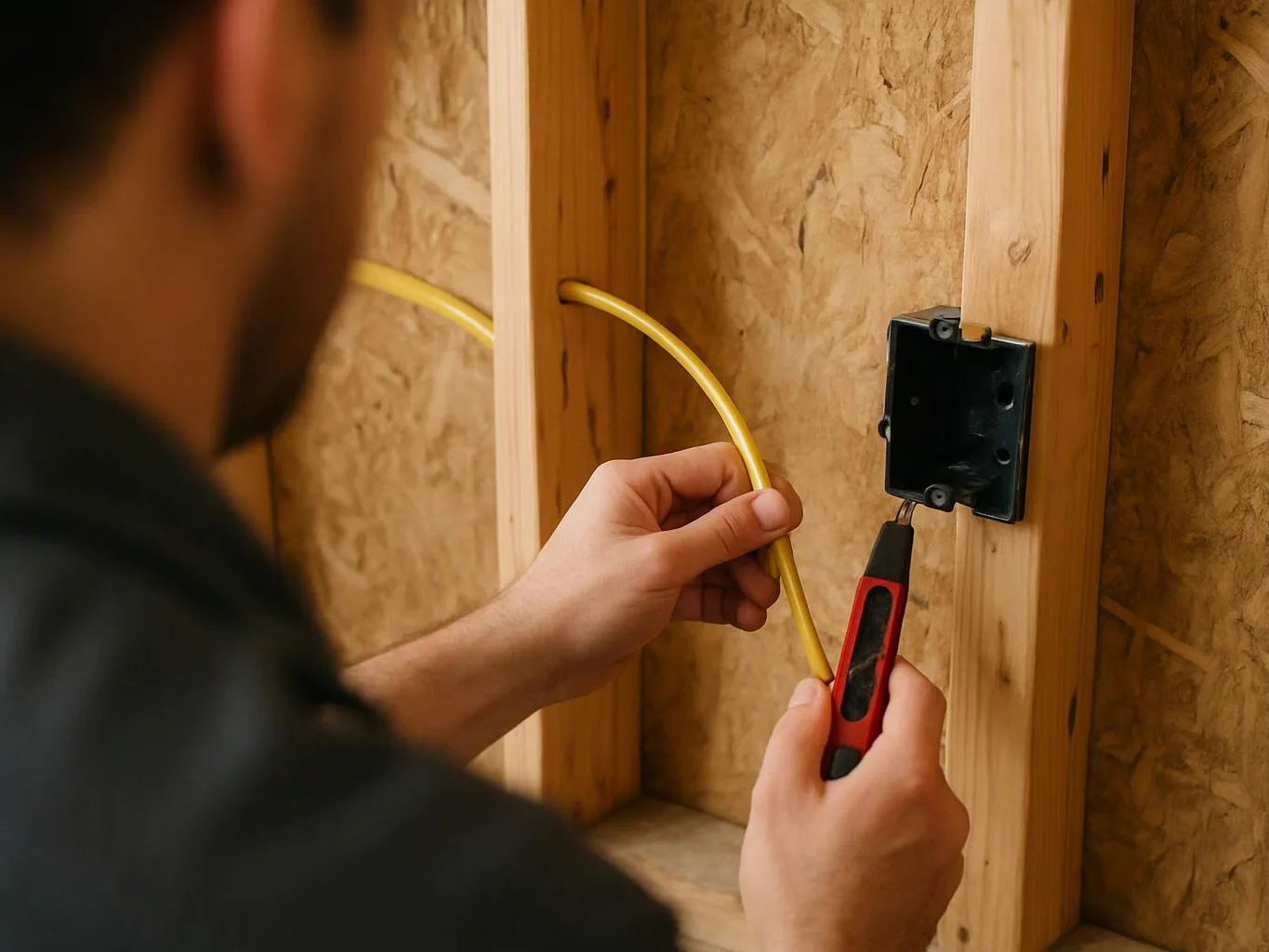
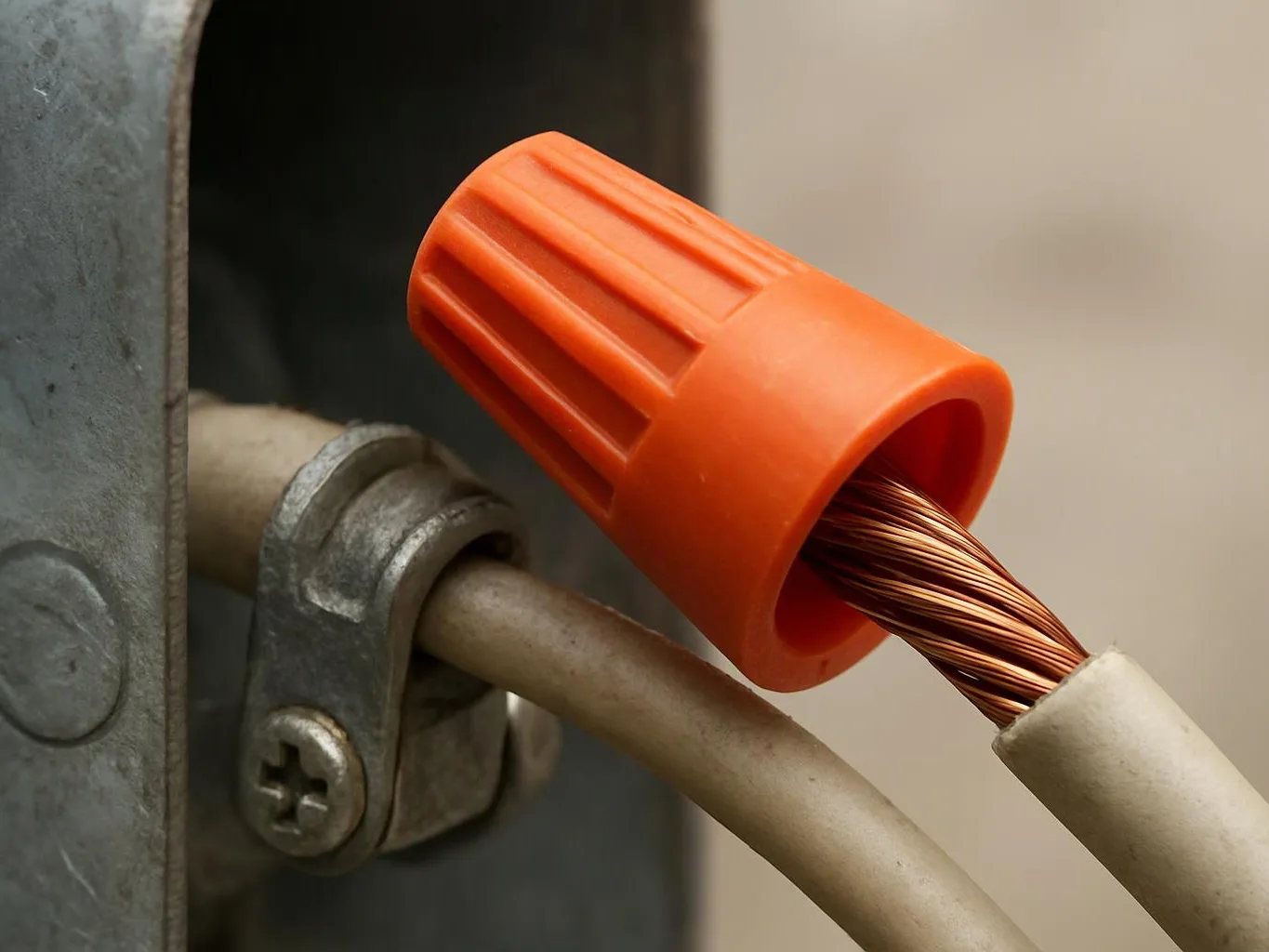
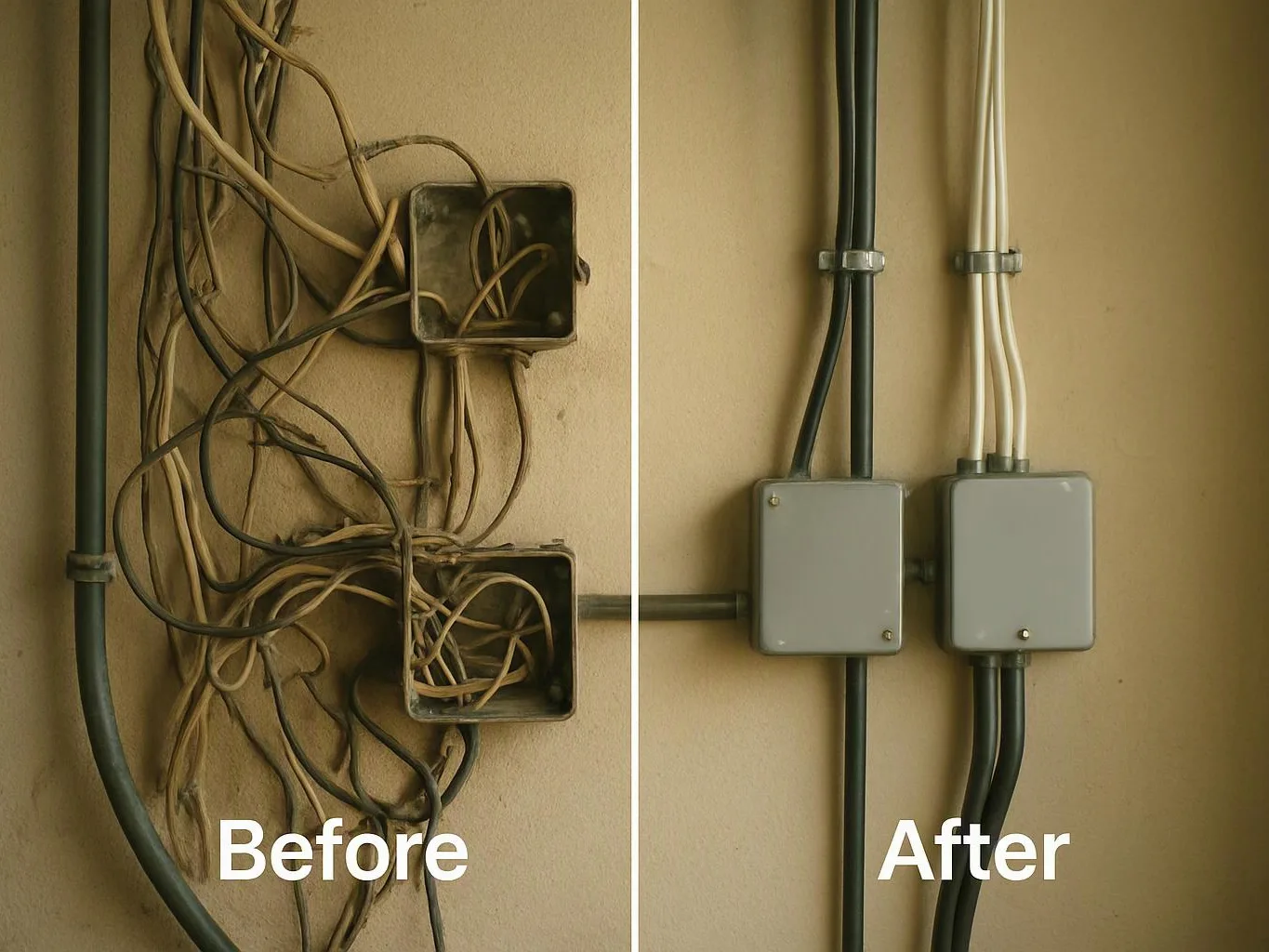
Exposed wiring makes circuit isolation and access the first priorities. We check the damaged insulation, connection point, electrical box, and nearby wiring for related faults. The repair may stay focused if damage is limited, or it may point to rewiring. Keep people away from the area and do not handle or cover the wire before inspection.
When should I stop resetting a tripped breaker?
Stop resetting a breaker when it trips again, feels warm, makes noise, or connects to a burning odor. Repeated trips can point to an overloaded circuit, damaged wiring, or a failing appliance. We inspect the breaker and connected circuit to find the cause. Leave the breaker off if resetting it causes another trip.
What changes the price of a power outage repair?
The affected circuit, failed part, wiring condition, access, and panel work change the repair cost. We inspect the property-side electrical system and explain the scope before planned repair work. A single outlet fault differs from a wider circuit or panel problem. Free estimates are available when an estimate is appropriate.