
Skip to content

Electrical Code Correction In New Haven, Indiana

Permit requirements help decide the next step after an electrical inspection in New Haven. We explain the correction notice and plan the work needed for approval.

Licensed & InsuredWarranty AvailableSame-Day ServiceUpfront, Transparent Pricing

Dedicated Service Coverage in this area

Electrical Code Correction in New Haven is provided by Chris Miller Electric for homes and businesses across Fort Wayne, New Haven, Leo-Cedarville, Huntertown, and nearby Allen County communities. The work covers inspection findings, correction notices, wiring repairs, panel services, and code-compliant improvements.

  • What we do: Chris Miller Electric provides Electrical Code Correction for residential and commercial properties in New Haven, Indiana.
  • What is included: We review inspection findings, trace circuits, correct wiring and grounding concerns, address panel issues, and prepare completed work for final inspection.
  • What you get: Electrical Code Correction leaves the listed electrical issue repaired, checked, and ready for the next approval step.

Why does an electrical inspection keep finding code problems in New Haven, Indiana?

Repeated findings often point to an unresolved wiring, grounding, panel, or installation issue. We compare the inspection report with the existing electrical work, correct the listed problem, and check related connections before the final inspection.
Electrical Code Correction for inspection findings in New Haven

Electrical code correction begins after an inspection identifies work that needs attention. The buyer's decision is whether to address the listed issue alone or inspect connected parts that could affect the same correction.

We review the inspection report and correction notice, then match each finding to the electrical work on site. That can include circuit tracing, grounding correction, outlet replacement, panel service, or rewiring.

The service fits property owners, buyers, sellers, landlords, and businesses that need a documented electrical issue addressed. It doesn't replace a full property inspection, and it doesn't cover unrelated repairs unless the agreed scope includes them.

  • Read the inspection report and mark each electrical finding.
  • Check the affected circuit, device, panel, or grounding path.
  • Separate urgent safety hazards from items that need planned correction.
  • Confirm what work must be checked during the final inspection.
  • Request a quote based on the listed correction and site conditions.
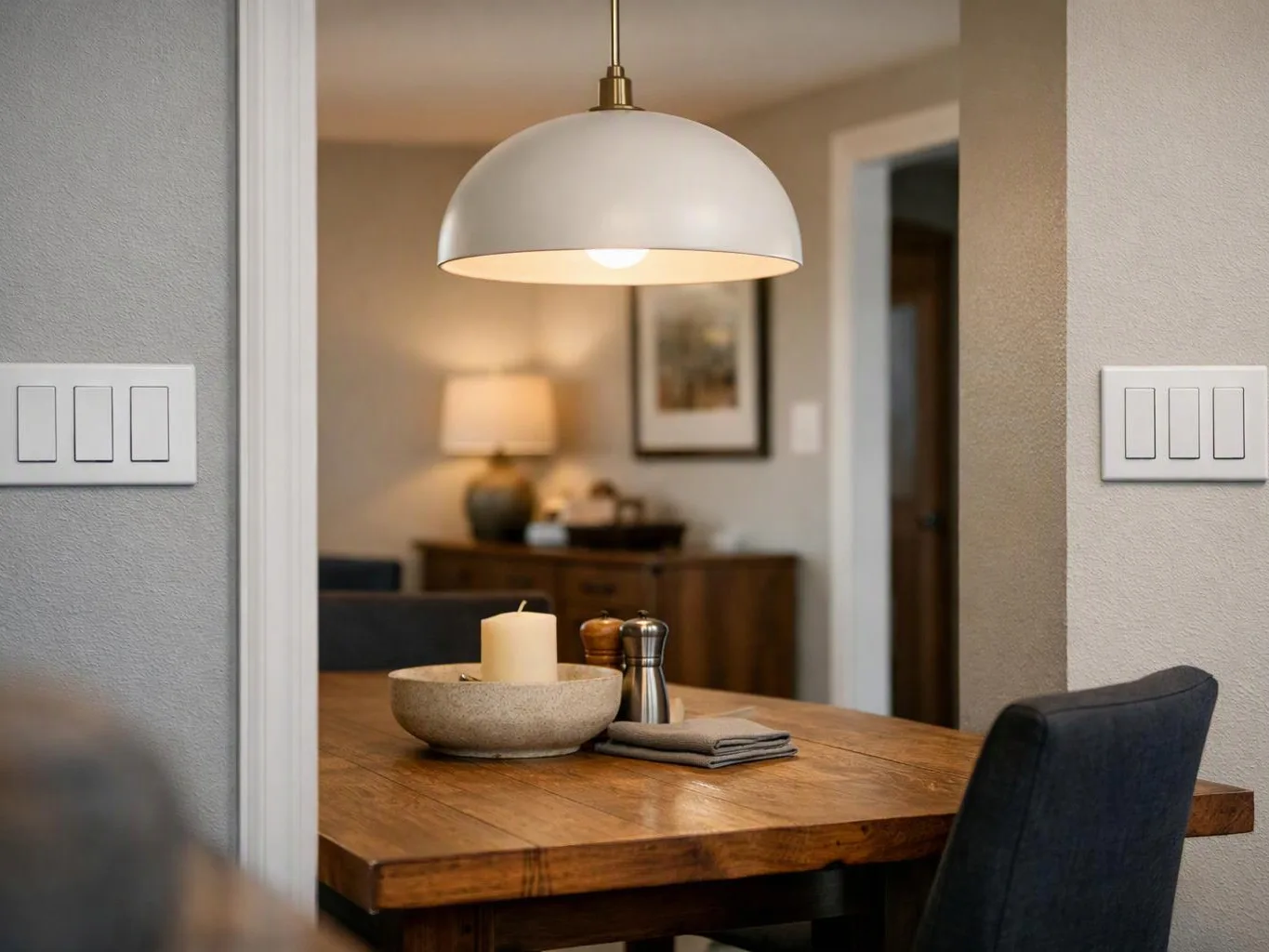
A wooden dining table sits under a white pendant lamp, with a candle, bowl, salt mill, and folded napkin in a cozy room

Service Overview

Electrical Code Correction is a repair service that brings identified electrical work into line with applicable safety and installation requirements.

  • Unlike general troubleshooting, code correction starts with an inspection report or correction notice and focuses on the listed compliance issue.
  • We provide this service for homes and businesses in New Haven and nearby Allen County communities.

What code correction work includes for your property

Chris Miller Electric provides comprehensive Electrical Code Correction in New Haven. Here's what you get:

  • We review the inspection report and correction notice with you.
  • We inspect the affected wiring, outlets, switches, breakers, panels, or grounding connections.
  • We trace circuits when the report does not clearly identify the source of the problem.
  • We repair or replace electrical components that fall within the agreed correction scope.
  • We test the completed work and explain any remaining electrical concerns.
  • We help prepare the corrected work for the next inspection step when one is required.

What corrected electrical work changes for you

You receive a clear connection between the inspection finding and the repair plan.

Correcting the source can address repeat notices caused by the same circuit or connection.

A focused scope helps you decide which work needs attention before closing, leasing, or reopening a property.

Testing after the repair gives you a better basis for the final inspection.

Urgent signs such as a burning smell, buzzing panel, or repeated breaker trips receive safety-focused attention.

Process

How we complete code correction work

1

Review the inspection report

We read the inspection report and correction notice, then identify the exact electrical issue, affected area, and requested correction.

2

Inspect the affected circuit

We examine the panel, breaker, wiring, outlets, switches, grounding path, or other parts named in the finding. Circuit tracing helps when the report does not show the full path.

3

Write down the repair that was asked for

We explain which work addresses the notice and which related concerns fall outside that scope. You can then request a quote based on the actual electrical conditions.

4

Complete the correction

We repair, replace, or adjust the affected electrical components according to the agreed work. The correction may involve wiring, grounding, outlets, switches, breakers, or panel service.

5

Test the completed work

We test the corrected circuit or component and check the work for safe operation. We also explain what the final inspection may need to review.

A situation this service fits

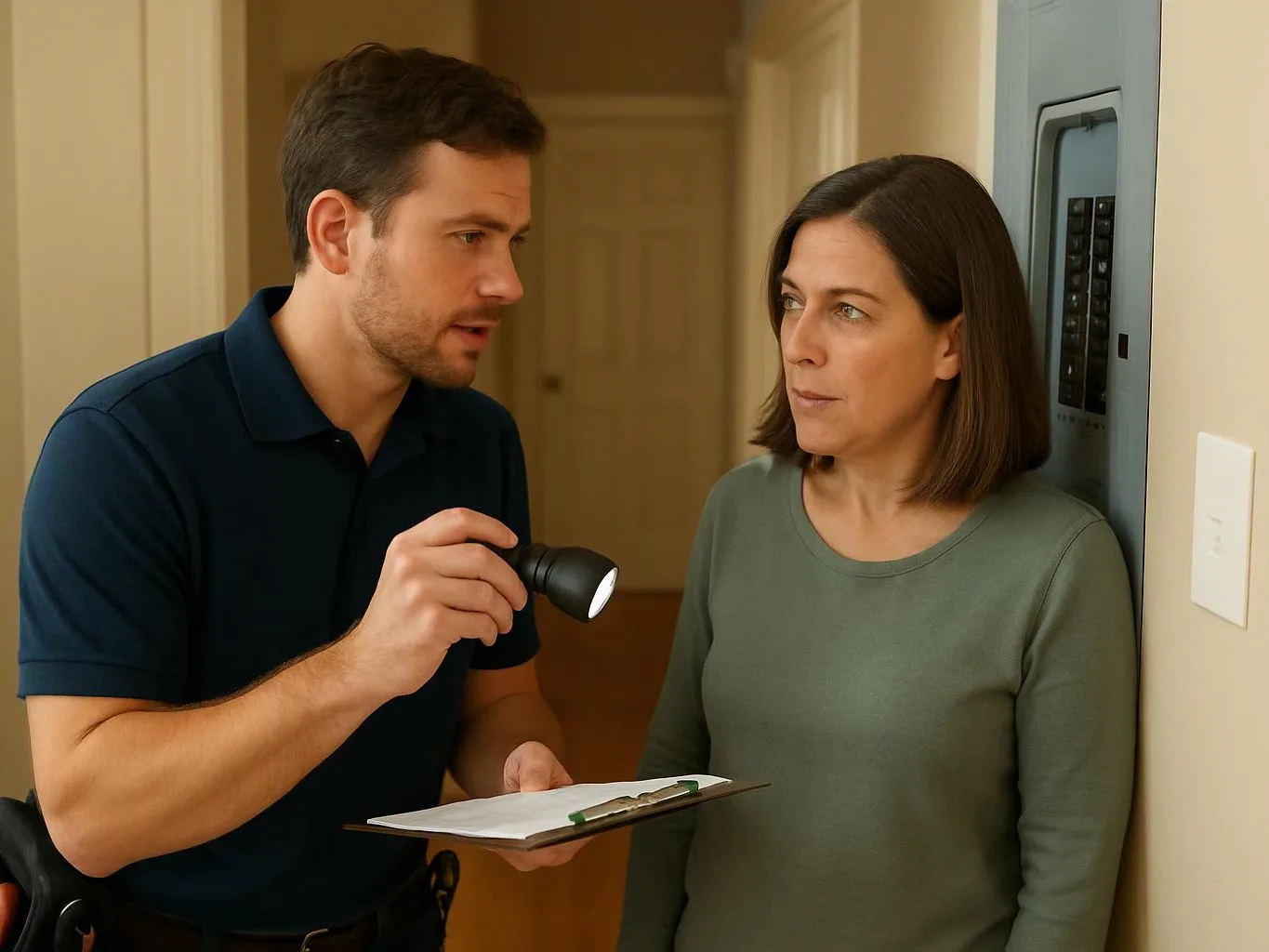
A property owner in New Haven receives a correction notice after an electrical inspection. We compare the notice with the wiring, panel, outlets, and grounding path on site, then correct the listed issue and check the work before the final inspection. Permit requirements depend on the scope and the authority reviewing the work.

How we approach inspection-based electrical repairs

Start with the inspection finding

The inspection report sets the starting point, and we connect its wording to the actual circuit or component on site. This service is the right fit when a known electrical issue needs correction. It is not the right job for a general building inspection with no electrical finding.

Check the cause behind the notice

A failed outlet, breaker, or light may point to a wider wiring or grounding concern. We trace the affected circuit and check related connections before setting the repair scope.

Keep the next step visible

We explain what the repair addresses, what testing covers, and which items remain outside the agreed scope. That gives property owners and managers a practical basis for scheduling the next inspection.

Inspection findings and the matching correction focus

This comparison shows how the inspection finding guides the first repair discussion.

Inspection findingWhat we checkCorrection focus
Ungrounded outletOutlet wiring and grounding pathOutlet replacement or grounding correction
Repeated breaker tripsBreaker, circuit load, and connected wiringCircuit repair, breaker service, or related correction
Panel concernPanel connections, breakers, and service conductorsPanel service or a defined repair scope
Damaged wiringWire condition, connections, and circuit pathWiring repair or rewiring within the agreed scope

The Chris Miller Electric Standard

  • Any-Hour Service
  • Urgent Requests
  • Troubleshooting Repairs
  • Electrician Support

Questions about inspection-based electrical corrections

What happens when an inspection finds code violations?

Permit requirements guide the next step when an inspection finds code violations. Chris Miller Electric reviews the inspection report, checks the affected electrical work, and explains the correction notice. We then repair the listed issue, test the completed work, and help prepare it for final inspection when required.

Which part of the property decides the correction scope?

The affected circuit, panel, wiring, outlet, switch, or grounding path decides the correction scope. We inspect the part named in the report and check connected components that could affect the same finding. The agreed scope follows the actual electrical condition, not the room name alone.

Which material changes how long correction work takes?

Existing wiring material can change the work involved, especially when aluminum wiring or older ungrounded conductors appear in the affected circuit. We identify the material, inspect its connections, and explain the needed repair. The report and site conditions determine the work plan.

How does a correction visit move from the first call to the last step?

The visit moves from report review to inspection, scope planning, repair, testing, and final inspection preparation. We start with the correction notice, trace the affected circuit when needed, complete the agreed work, and explain what the next inspection must confirm.

Why can a breaker problem appear on an inspection report?

A breaker problem can point to a tripping circuit, poor connection, overloaded panel, or damaged wiring. We inspect the breaker and trace the circuit before choosing a repair. Replacing the breaker alone may not address the condition that caused the finding.

When should a correction notice become an urgent call?

A correction notice becomes urgent when the property has a burning smell, buzzing panel, sparking outlet, or repeated breaker trips. We treat those signs as possible safety hazards and focus on isolating the affected electrical area. Keep people away from the hazard and request urgent service.

What information should I send for an accurate quote?

The inspection report, correction notice, affected location, visible symptoms, and prior repair details help define a quote. We use those details to identify the likely circuit or component and decide what needs an on-site assessment. A clear report is more useful than a short description alone.
Contact

Request a quote for code correction in New Haven

Send your inspection report or correction notice for a clear repair discussion, and urgent requests get priority scheduling.

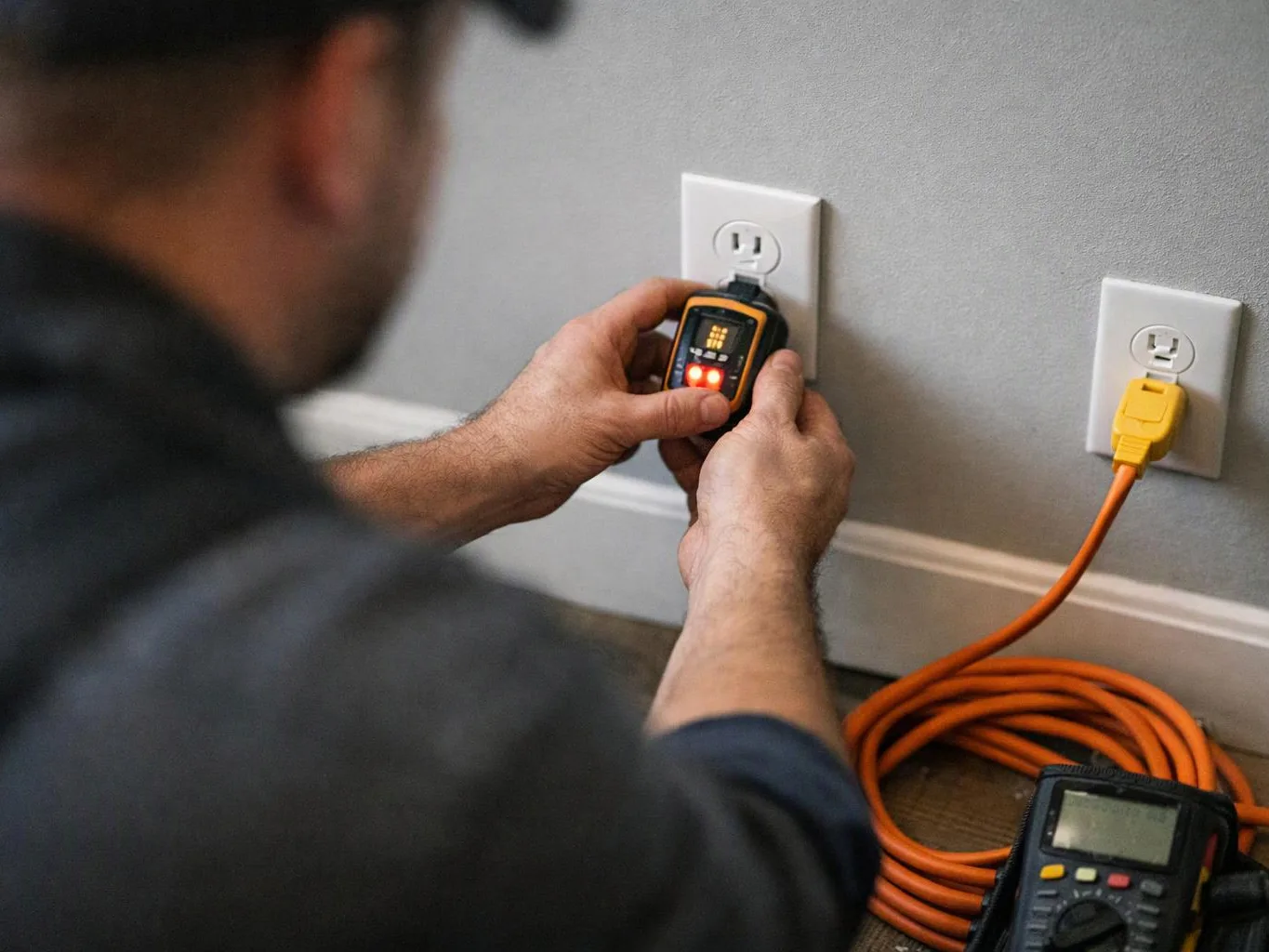
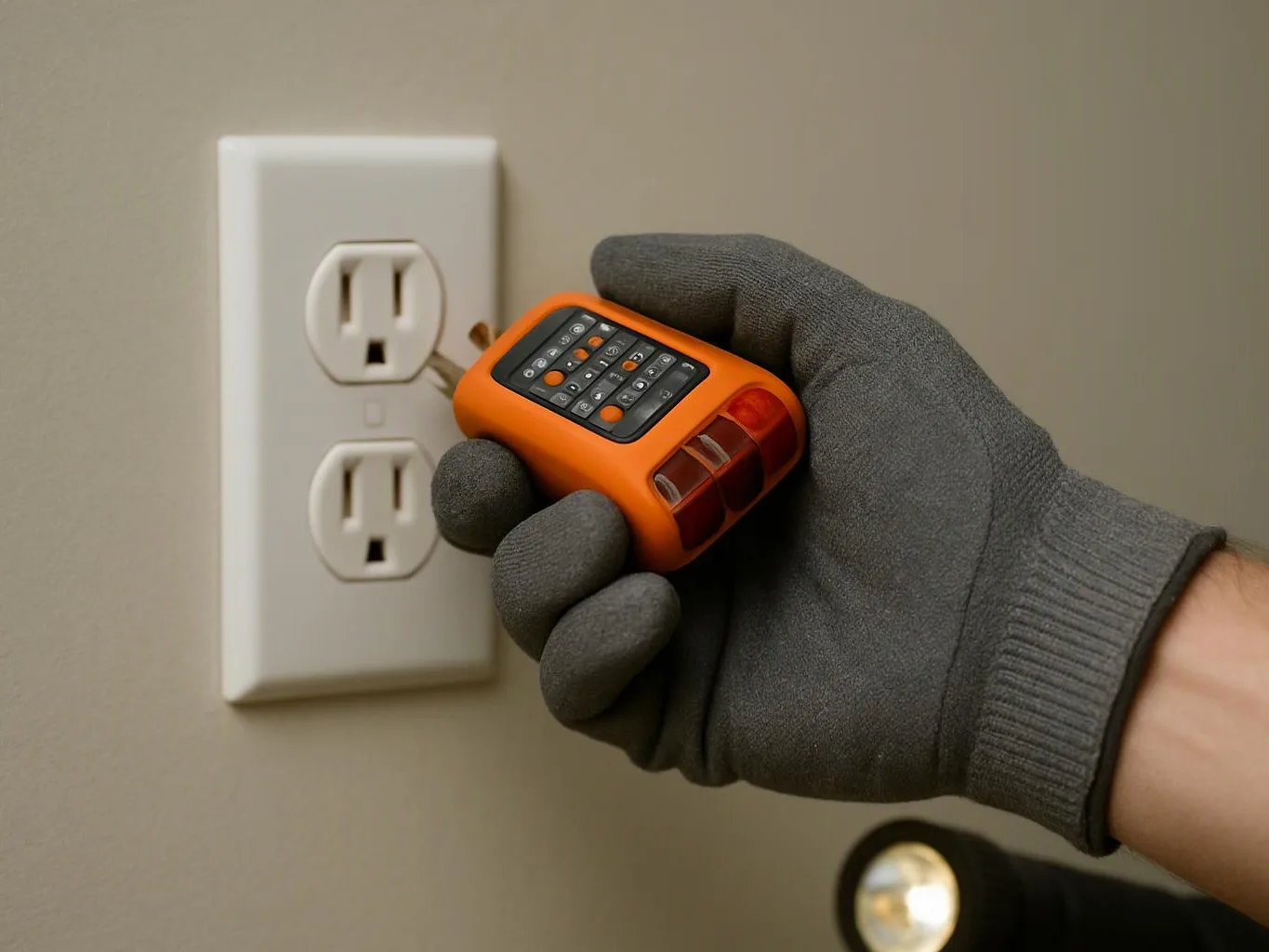
A gloved hand holds a small orange plug-in device near a wall outlet on a beige wall

ZIP Codes We Serve in New Haven, Indiana

46774

Electrical Code Correction in Other Areas

(260) 305-8344