How are commercial circuit breaker issues diagnosed?
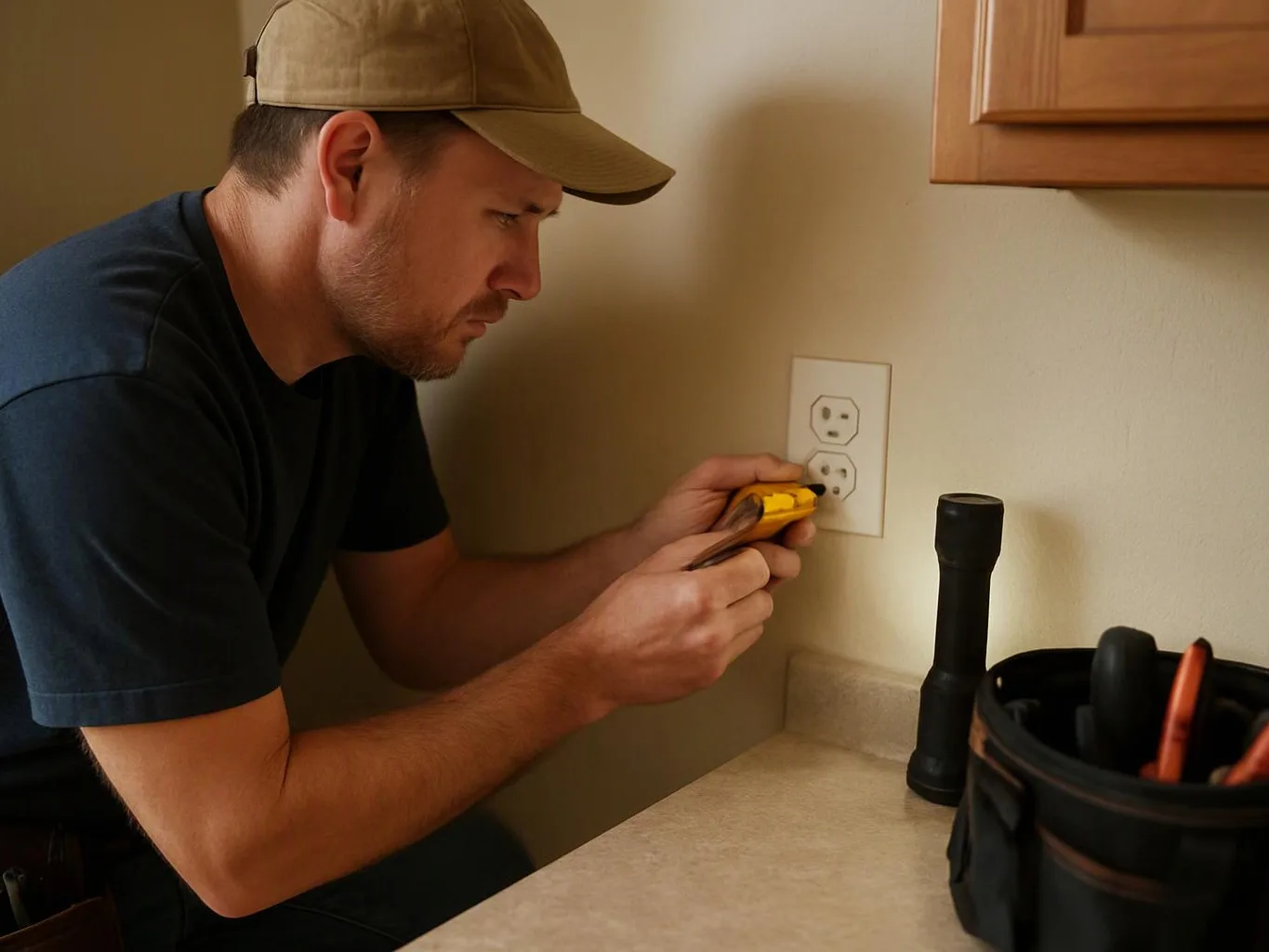
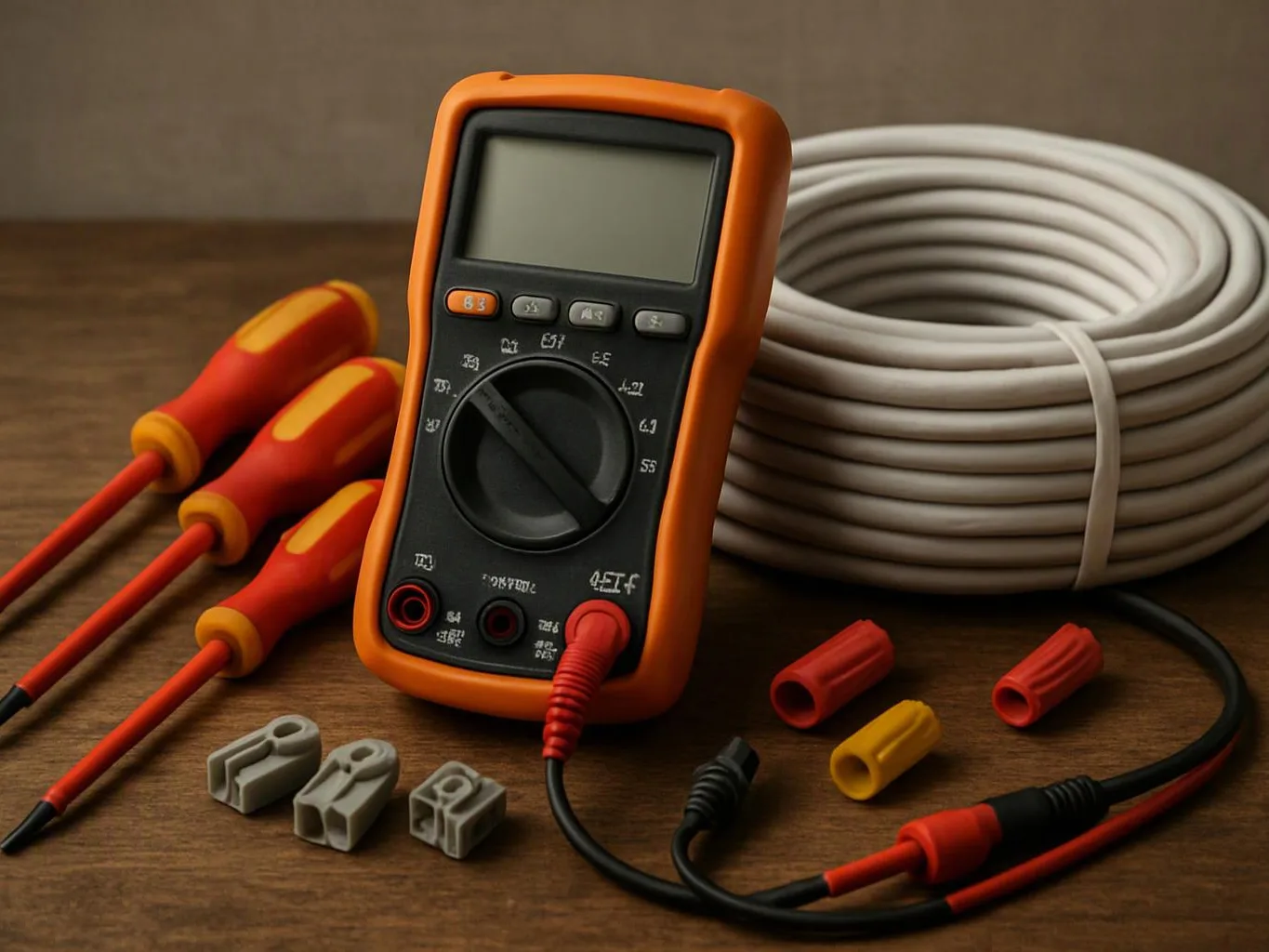
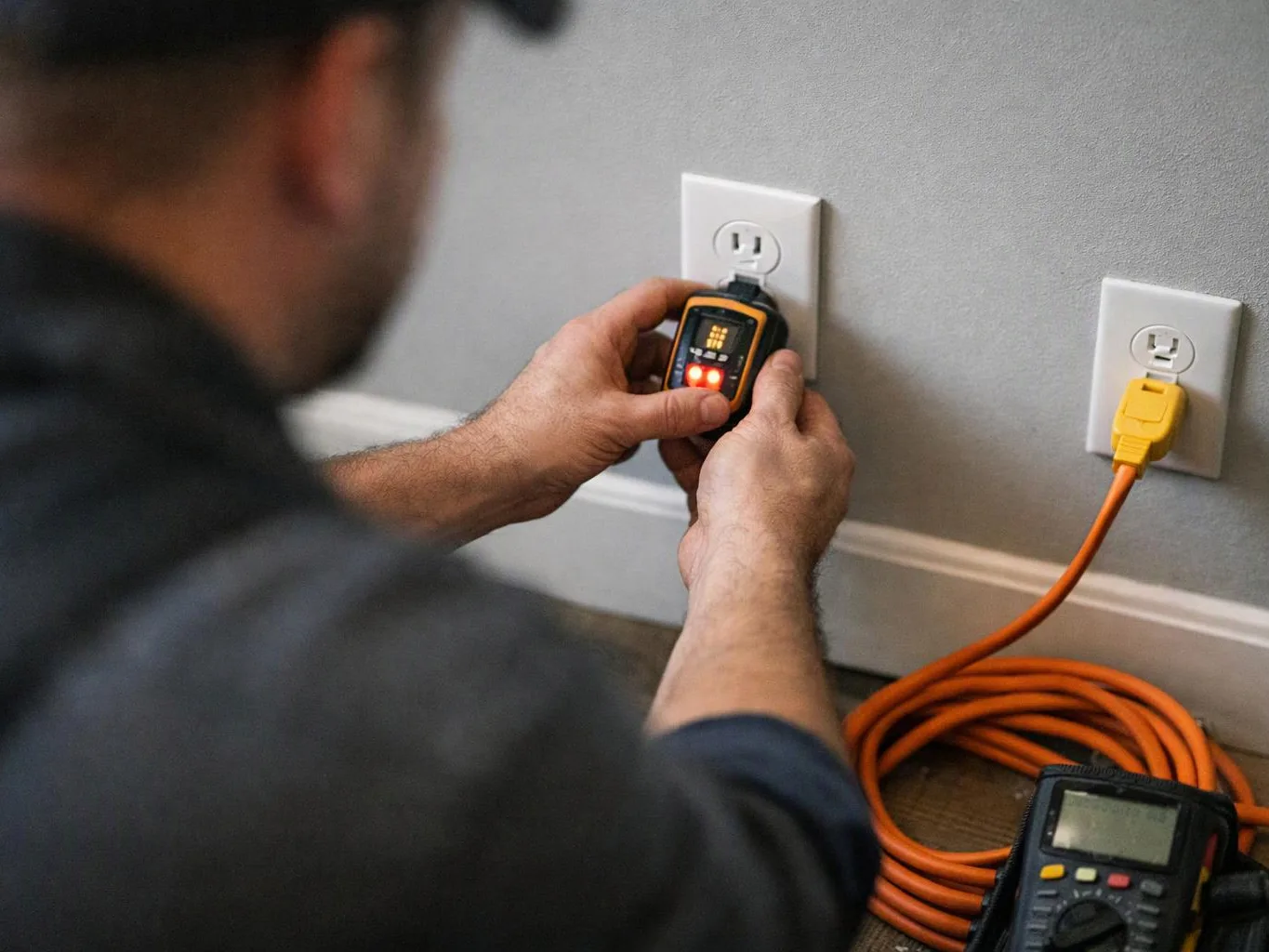
Load measurement helps diagnose commercial circuit breaker issues by showing how the affected circuit carries its connected load. We then test the breaker, trace the circuit, inspect the panel, and check related wiring or equipment. The findings show whether the cause is a bad breaker, overload, loose connection, or another fault.
What should I share before requesting a commercial electrical repair quote?
The affected area, equipment in use, breaker position, and visible warning signs help define the repair scope. Include whether power returns after a reset and whether the issue affects outlets, lighting, or one machine. We use those details to plan the circuit and panel assessment.
Which part of a commercial property decides the repair scope?
The affected circuit and panel usually decide the repair scope because they show where power stops and what parts serve the area. We also check connected equipment, outlets, switches, and visible wiring. A fault near the panel calls for a different repair plan than damage at a branch circuit device.
When does commercial electrical repair fit a business property?
Commercial electrical repair fits a business property when an existing electrical system has a fault, outage, breaker problem, damaged wiring, or failing device. We diagnose the active issue and set a repair scope. New circuits, lighting layouts, and panel additions belong to an installation or upgrade plan.
Why does a breaker trip after it is reset?
A breaker trips again when the circuit still has an overload, wiring fault, damaged equipment, or a failing breaker. We inspect the panel and trace the circuit to find the cause. Repeated resets can leave the underlying problem in place, so the affected circuit should remain unused until it is checked.
What warning signs make a panel inspection urgent?
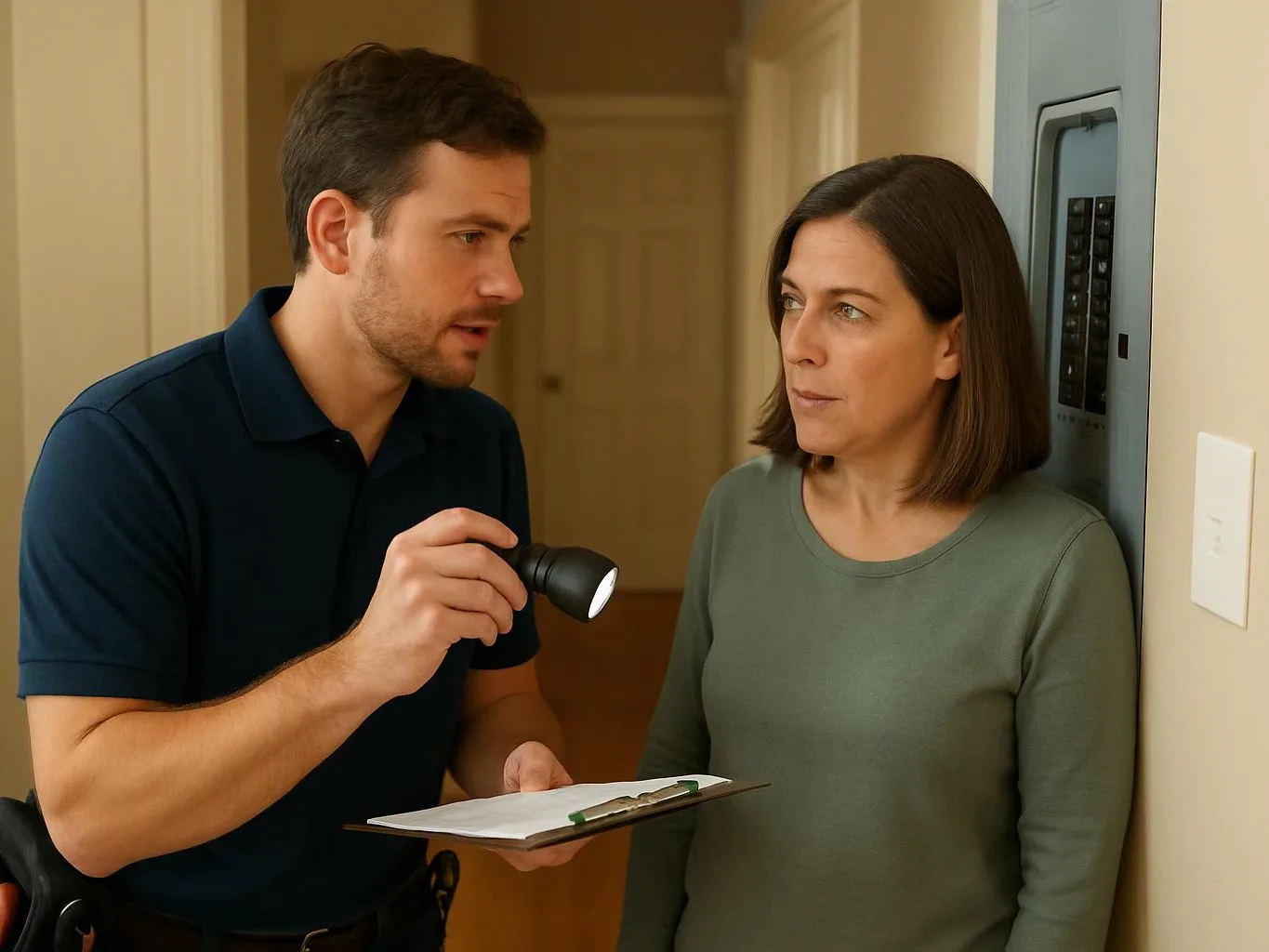
A burning smell, buzzing panel, sparking outlet, or warm switch plate makes the electrical issue urgent. We isolate the affected area and inspect the panel, circuit, and visible wiring. Employees should stay clear of the equipment and avoid repeated breaker resets until the problem is assessed.
How does a repair visit move from the first call to the last step?
A repair visit moves from symptom review to circuit testing, fault tracing, panel inspection, repair planning, and final verification. We use the reported equipment and affected area to guide the inspection. Customers receive the findings and the repair scope before the work moves forward.