When Extension Cords Signal You Need an Electrical Upgrade
Too many extension cords may signal an electrical problem. You may need an electrician to inspect it. Frequent cord use can mean you have too few outlets. It can also point to overloaded circuits or old wiring. Some appliances need a dedicated circuit. Stop using cords that feel hot or look damaged. Never connect cords in a chain. An electrician can add outlets in safer spots. They can install dedicated circuits for large appliances. They can also suggest an electrical panel upgrade. These changes can lower trip risks and improve safety.
Get a Free EstimateWhat Are the Warning Signs That You Need an Electrician?
Extension cords can signal trouble when they feel warm. Repeated breaker trips are another warning sign. Discolored outlets also need attention. Never connect several power strips together.electrician should check cords that power heaters or kitchen appliances. Workshops and fixed equipment may need new wiring. The problem may involve the circuit, not just convenience.
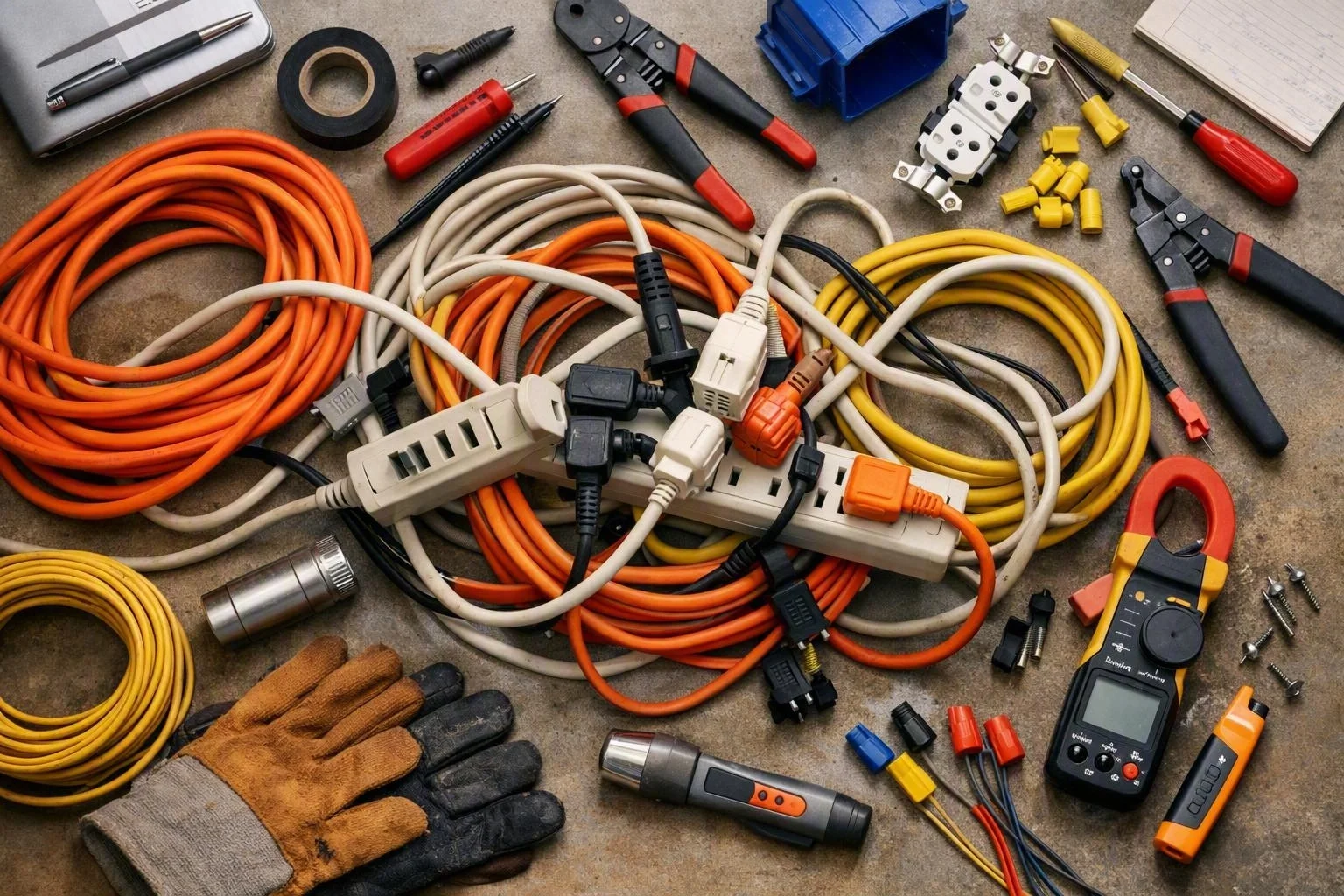
These signs may point to an overloaded circuit. They may also show damage inside an outlet. Old wiring may not handle the power load. Look for these conditions:
Don't ignore these signs. A hot connection can damage the cord cover. It can also raise the risk of an electrical fire. We can trace the circuit and check the breaker. Then, we'll find the right fix. The fix may be a new outlet or safer wiring. It may also require a larger electrical upgrade.
Why Can Too Many Extension Cords Be an Electrical Problem?
Too many extension cords can create an electrical problem. Each cord adds another plug and connection. Each connection can loosen or fail. Large appliances may overload a branch circuit. They may also cause voltage drop or cord heat. Frequent cord use often means the home needs more outlets.
An extension cord is made for short-term use. It isn't a replacement for permanent wiring. Cord length and wire size affect power flow. The cord rating matters, too. A long, thin cord may cause voltage drop. Equipment may run poorly and create extra heat.
The total load matters as well. A power strip doesn't add more power. It only adds more places to plug in. A refrigerator and microwave may share one circuit. A toaster oven may use that circuit, too. This can push the wiring near its safe limit.
Common causes of cord overuse include:
Small outlet jobs often need a short cable run. The run may start at an open wall area. Larger jobs can take more work. They may require wall access or new circuits. Your home's layout will guide the right approach.
Why Do Older Homes Often Have Too Few Outlets?
Older homes often have too few outlets. They were built before homes used many devices. Computers, TVs, chargers, and kitchen tools now need power. Old outlet spacing may leave large areas without access. Residents then rely on extension cords.
An older home may also have old wiring. It may have limited grounding or weak outlet protection. Some systems weren't built for today's power use. Later changes may not include a full circuit check.
During an inspection, we check outlet spacing and wire condition. We also check grounding, box size, and code rules. Adding a wall outlet isn't always simple. The cable must be safe for the new outlet. Connections must sit inside an approved box. GFCI or AFCI protection may also be needed.
Can an Electrician Add More Outlets?
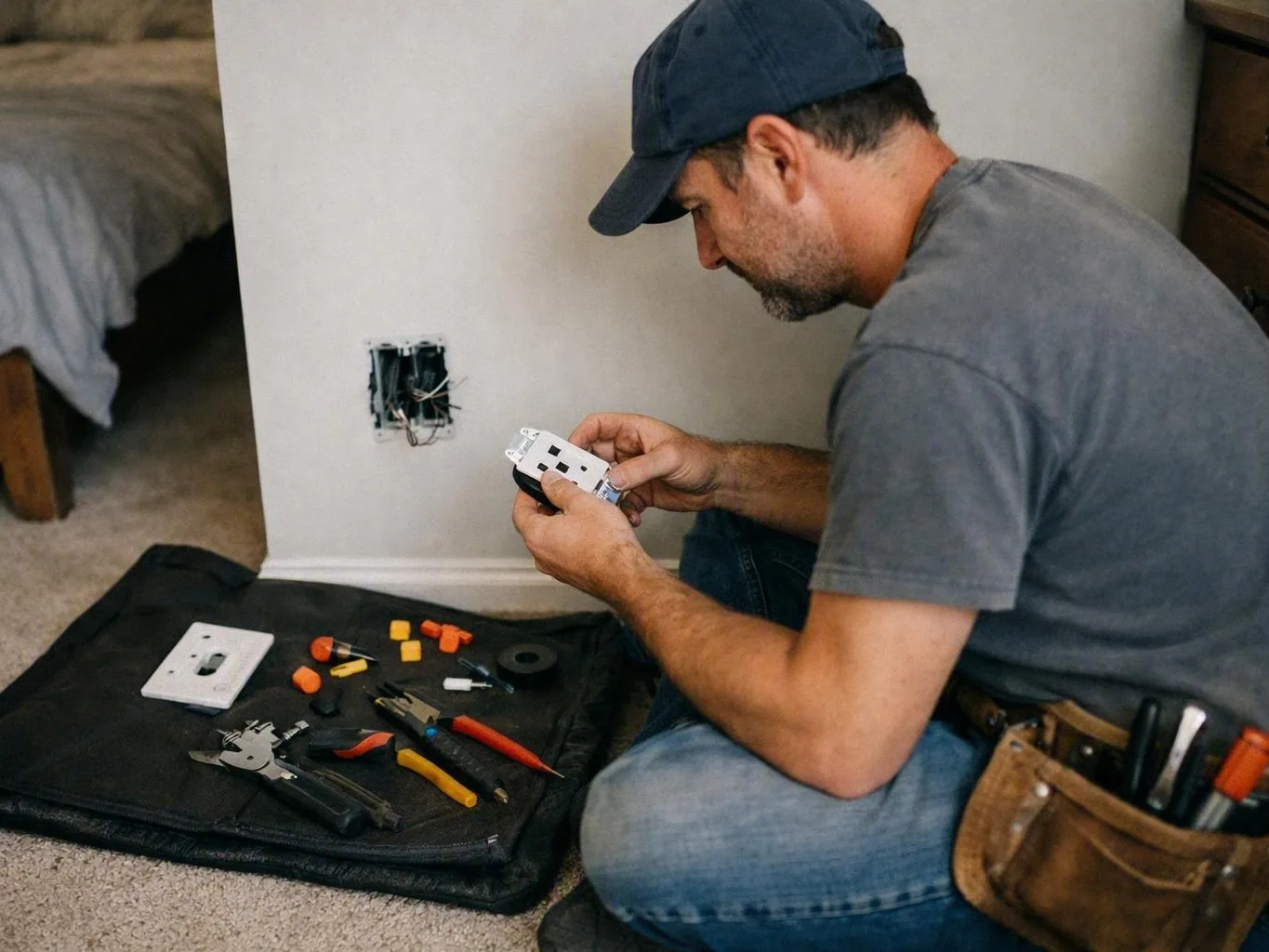
An electrician can add more outlets in several ways. They may extend a safe circuit. They may install a new electrical box. They may also wire a new branch circuit. First, the electrician checks the wiring and grounding. They also check circuit capacity and wall access. Adding outlets won't solve an overloaded circuit.
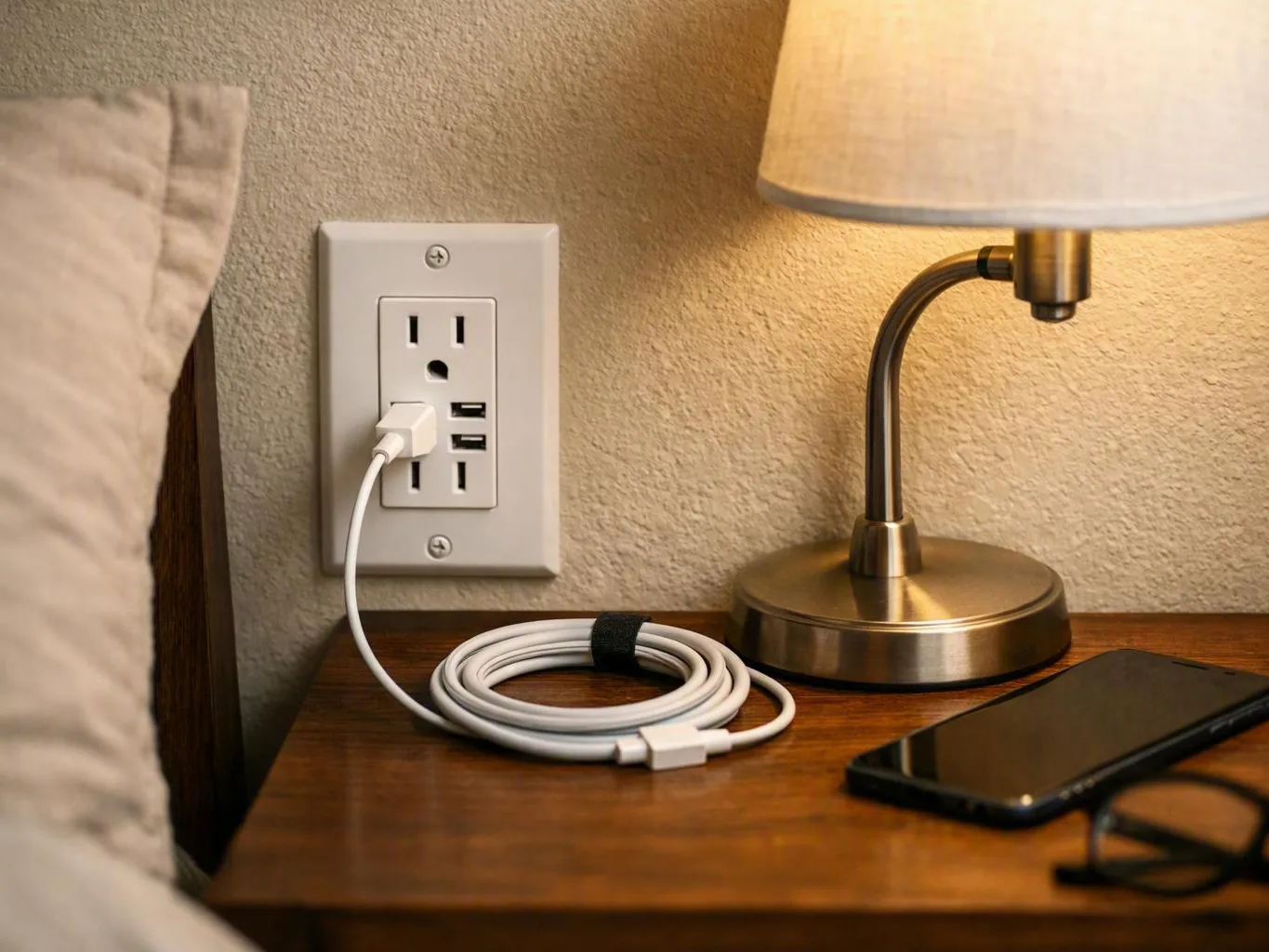
Outlet Installation may help when the circuit has enough capacity. It can also help when outlets are hard to reach. We may add an outlet near a desk or TV. We may place one near a counter or work area. The location must keep cords away from walkways.
A GFCI outlet helps protect areas near water. These areas include kitchens, laundry rooms, garages, and bathrooms. AFCI protection may help in some living areas. It helps lower the risk from electrical arcs. The needed protection depends on the circuit and location.
Wall access can affect the job. Plaster, tile, masonry, and insulation can slow cable work. Crowded framing can create more limits. We also check the electrical box. A new breaker may need open panel space.
Our team provides Outlet Installation in Fort Wayne for safer outlet placement. The same checks apply in nearby communities. We don't use a new outlet to fix an overloaded circuit.
Do You Need a Dedicated Circuit for a New Appliance?
A dedicated circuit may be needed for a large appliance. It may also be needed for equipment that runs often. Follow the maker's instructions first. Check the appliance nameplate rating, too. Don't judge the circuit by the plug shape.
Electric ranges, dryers, and water heaters often need dedicated wiring. Heat pumps and air-conditioning equipment may need it, too. Some workshop tools and freezers also need separate circuits. Portable heaters and kitchen tools may need one. Their power needs will decide the answer.
We compare the appliance rating with the existing circuit. We check the breaker, wire size, and receptacle. We also check grounding and other connected loads. A circuit may power the appliance but still be a poor choice. Dedicated Circuit Installation gives the appliance a proper path.
A home office may need computers on their own circuit. Lights or heaters may use another circuit. Laundry and kitchen work may need planned circuits. Motors and heating parts can draw high power. The goal is steady use without hot connections or repeated trips.
Which Electrical Upgrade Fits the Problem?
The right upgrade depends on the cause. Outlet installationhelps when capacity is safe. A dedicated circuit serves a high-demand appliance.electrical panel upgrade may be needed for larger loads. An electrician should choose the solution.
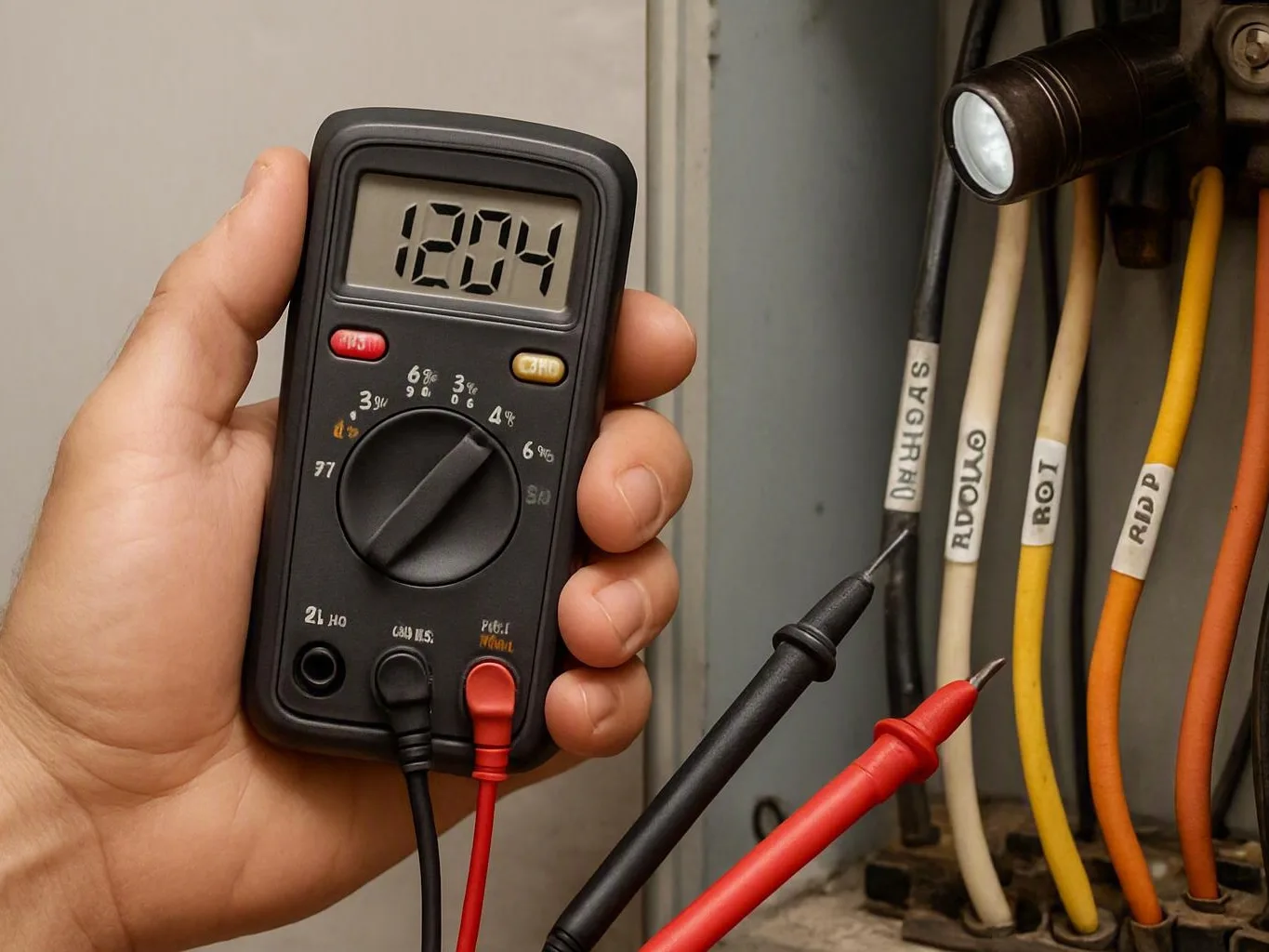
We first list the connected equipment. We note how often each item runs. Then, we review the circuit and appliance ratings. We check wire size, grounding, and breaker space. We also plan the safest cable route.
| Observed problem | Likely remedy | Decision check |
|---|---|---|
| Cords are needed because receptacles are poorly placed | Outlet installation or an additional wall receptacle | Existing circuit capacity, grounding, wall access, and protection |
| One high-demand appliance overloads shared wiring | Dedicated circuit installation | Amperage, nameplate rating, wire size, and breaker requirements |
| Several planned loads exceed available capacity | Electrical panel upgrade or service panel replacement | Load calculation, panel condition, breaker space, and service capacity |
A load calculation checks the home's electrical demand. It looks at fixed equipment and expected use. It doesn't only check the outlet with the cord.electrical panel upgrade may come first. This can happen when the panel lacks capacity or has unsafe parts.
How Can You Prevent Extension Cord Overload?
Use extension cords only for a short time. Match the cord rating to the appliance. Don't connect cords in a chain. Keep cords uncovered and easy to see. Move large equipment to a suitable circuit. A lasting need for cords calls for an inspection.
Think of an extension cord as a short-term tool. It isn't permanent home wiring. Never use a cord with cracked insulation. Loose blades and melted plastic are also unsafe. Stop using cords that show heat damage.
Home offices need a closer look, too. Computers may use modest power. Monitors, printers, heaters, and chargers add more load. They may share one branch circuit. If you always need a power strip, ask for an inspection. Better outlet placement or a new circuit may help.
When Should You Stop Using Extension Cords and Call an Electrician?
Call an electrician when cords become a permanent fix. Call when breakers trip again and again. Hot outlets, burning smells, and damaged plugs need help. Appliances may also need more power than current outlets provide. Stop using damaged equipment at once. An electrician can check the danger and circuit load.
Use this order of action when the condition appears unsafe:
We inspect the outlet, plug, cord, and breaker first. We also check the branch circuit. The fix may be a new receptacle or better grounding. It may need Outlet Installation or Dedicated Circuit Installation. An electrical panel upgrade may be needed after a load check.
Chris Miller Electric can help our team check cord use and unsafe outlets. We can also review power limits in your home. Contact us through our contact page to discuss the next safe step.
Get a Free EstimateQuestions About Electrician
Is It Safe to Use Multiple Extension Cords in One Outlet?
It is generally unsafe to connect multiple extension cords or power strips to one outlet, especially for high-wattage appliances. The combined load can exceed the circuit rating. Extra plugs can also loosen, overheat, or fail. Use cords only for short-term needs. Request an inspection if this setup happens often.
Can Extension Cords Cause a Circuit Breaker to Trip?
Yes. Extension cords can help cause a breaker trip. This happens when appliances push the circuit past its safe limit. A cord may also be too small or damaged. That can create heat and voltage drop. Repeated trips need an inspection. Don't keep resetting the breaker.
How Many Outlets Should a Room Have?
The right number depends on room size and wall layout. Furniture and code rules also matter. A room needs easy access without cords across walkways. We check outlet spacing and planned equipment. We also check circuit capacity, grounding, and protection.
What Appliances Should Be on a Dedicated Circuit?
Common examples include electric ranges, dryers, and water heaters. Heat pumps and air-conditioning equipment may need one, too. Some large refrigerators and workshop tools also need separate circuits. Space heaters and microwaves may need one as well. Check the nameplate rating and maker's instructions. Have an electrician check the wiring.
How Do I Know if My Electrical Panel Needs to Be Upgraded?
Warning signs include frequent breaker trips and no open breaker spaces. Heat, rust, and old parts are also warning signs. Plans for several large appliances may show a need. A load calculation checks the panel and service capacity. An inspection also checks grounding, wiring, and required protection.
Related Resources
Whole-Home Rewiring: Cost, Timeline, and What to Expect
whole house rewiring cost Fort Wayne IN
What It CostsEV Charger Installation in Fort Wayne: Cost, Panel Requirements, and Process
EV charger installation cost Fort Wayne IN
What It CostsHot Tub and Pool Electrical Wiring: Cost, Scope, and Scheduling
hot tub and pool electrical wiring cost Fort Wayne
How It WorksHeat-Pump Electrical Hookups: Circuits, Panel Capacity, and Installation
heat pump electrical hookup and panel upgrade Fort Wayne