Understanding Electrical Requirements for a Home EV Charger
A home EV charger needs the right circuit, panel, wiring, and safety parts. Level 1 charging uses a standard 120-volt receptacle. Level 2 charging usually needs a dedicated 240-volt circuit with breaker protection. An electrician checks panel space, service size, wire distance, grounding, and total home demand. A panel upgrade isn't always needed. It may be needed if the panel lacks capacity, space, or safe working parts.
Get a Free EstimateChris Miller Electric helps homeowners plan Electric Vehicle Charger Installation for their home and vehicle. We review the full electrical system before choosing a charger. This can help prevent unsafe DIY work. It can also avoid a larger upgrade when a new circuit, load manager, or subpanel will work.
Your driving habits also matter. A short commute may work well with Level 1 charging. Longer trips or more than one EV may call for Level 2 charging.
Electrical rules can vary by location and equipment. The final plan must follow the National Electrical Code, local rules, and charger instructions. A qualified electrical professional should review the work.
Why Electrical Planning Matters for Home EV Charging?
Home EV charging needs careful planning because it adds a large, steady load. A qualified electrician checks the service, panel, wiring, grounding, and charger location. This helps you choose safe equipment without extra upgrade work.
An EV may charge for many hours. The charger then places steady demand on the panel, wires, and breaker. The charger must match what your home can safely provide. Its highest listed amperage isn't the only factor.
Other large loads also affect the plan. These loads may include electric ranges, heat pumps, water heaters, dryers, wells, and hot tubs. Two EVs charging overnight can raise the total demand. A load calculation compares that demand with your service rating.
The charger location affects the work, too. A nearby garage may need a short wire route. A detached garage may need underground or overhead wiring. Outdoor equipment must handle water, heat, cold, and impact.
Fast charging isn't always the main goal. Reliable charging should fit your routine and protect your home. We explain the trade-offs before installing the circuit.
What Electrical Circuit Does a Home EV Charger Need?
A dedicated circuit is usually needed for a home EV charger. The circuit must match the charger voltage, amperage, and steady load. Level 1 equipment commonly uses a 120-volt receptacle. Level 2 equipment usually needs a dedicated 240-volt circuit with proper wiring, grounding, breaker protection, and safety devices.
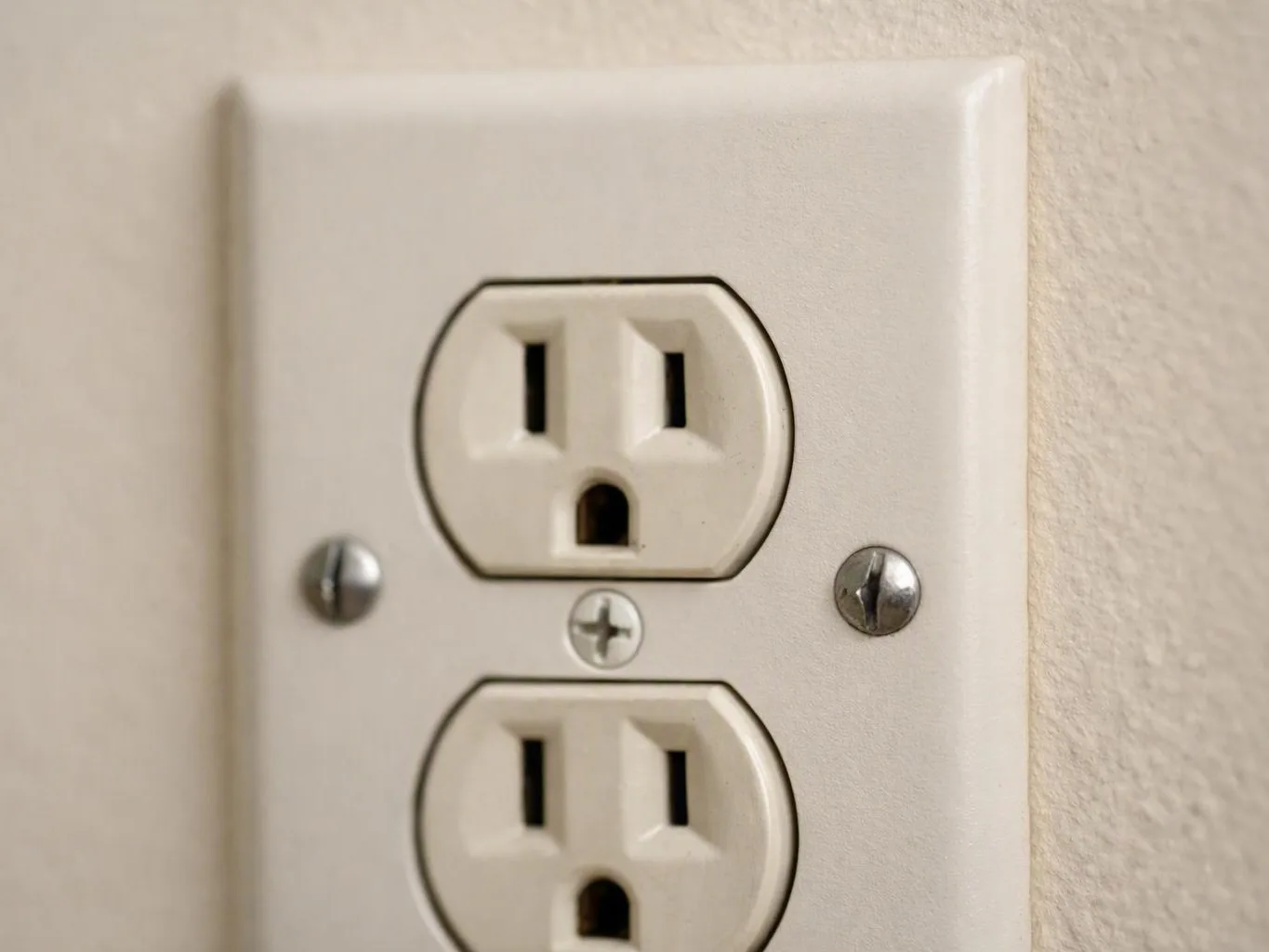
Level 1 charging may use a safe 120-volt circuit and portable cable. The receptacle must be in good shape and rated for the job. A circuit shared with lights, tools, or other outlets may not work well.
Level 2 charging normally uses a 240-volt circuit. This setup is similar to circuits for electric dryers or ranges. The breaker and wire size depend on the EVSE rating, wire length, and install method. A larger breaker can't replace the right wire size.
Overcurrent protection helps prevent too much current. Grounding and ground-fault protection help reduce shock and equipment risks. Some chargers include safety features. Other setups need protection at the circuit or panel.
Long wire runs can cause voltage drop. This drop may affect charger performance. It may also require larger wires. Conduit protects wires from impact, moisture, and sunlight.
No single amperage works for every home. A typical setup may use a two-pole breaker, insulated wires, a ground wire, conduit, and approved EVSE. These parts are examples only. A site review is still needed.
An open breaker space doesn't prove the panel can handle the charger. Panel rating, breaker type, service size, and total home demand also matter.
| Charging setup | Common electrical arrangement | Planning focus |
|---|---|---|
| Level 1 | 120-volt receptacle and portable charging cable | Receptacle condition, shared circuits, and charging time |
| Level 2 plug-in | 240-volt receptacle on a properly sized circuit | Breaker, wire size, outlet rating, and steady load |
| Level 2 hardwired | Wall-mounted EVSE connected directly to the circuit | Equipment rules, disconnects, conduit, and protection |
Level 1 vs. Level 2 Home Charging: What Is the Difference?
Level 1 and Level 2 charging differ in voltage, speed, and circuit needs. Level 1 uses a standard 120-volt supply and is often portable. Level 2 uses a 240-volt supply and usually needs a dedicated circuit.
| Feature | Level 1 charging | Level 2 charging |
|---|---|---|
| Voltage | Usually 120 volts | Usually 240 volts |
| Equipment | Portable charging cable | Wall-mounted EVSE or approved plug-in unit |
| Charging speed | Slower and often suitable for light daily driving | Faster and often better for longer commutes |
| Circuit planning | Receptacle condition and circuit capacity | Dedicated circuit, wires, breaker, and protection |
| Best fit | Long overnight charging windows | Short charging windows or higher daily mileage |
Level 1 may work when the car sits overnight. It can also fit drivers with low daily mileage. Level 2 helps when the vehicle needs more energy between trips. The best choice depends on the car, battery, driving habits, and home capacity.
Does an EV Charger Require a Panel Upgrade?
An electrical panel upgrade isn't always required for an EV charger. An electrician checks the load calculation, service rating, panel space, panel condition, and other equipment. An upgrade or subpanel may be needed when the home lacks capacity or space.
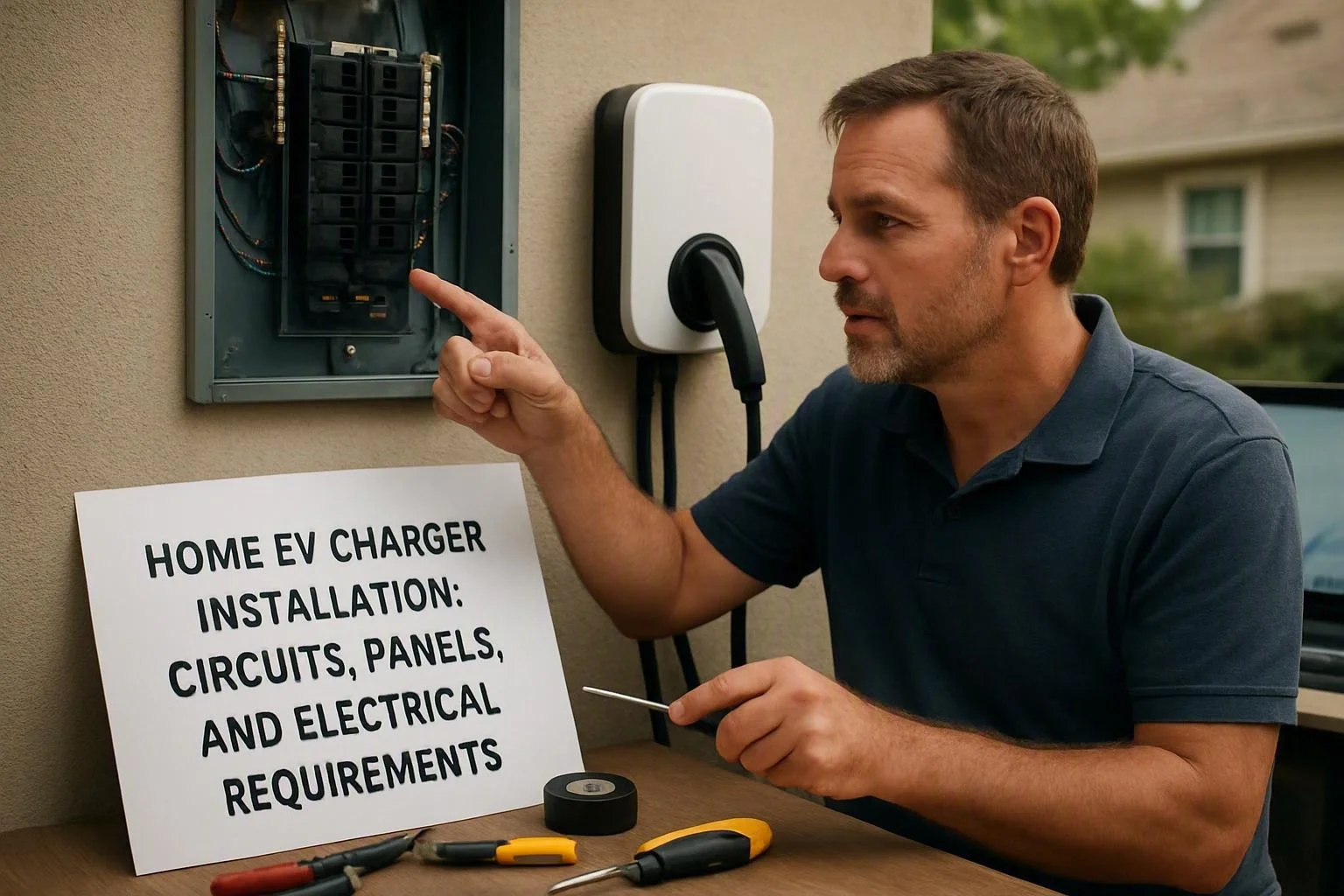
A service may have enough capacity even when the panel has no open spaces. A compatible subpanel may then help organize the new circuit. The service and feeder must still support it. A subpanel doesn't create more power. It only shares available power.
Load-management equipment may help when service capacity is limited. It tracks home demand and can slow or pause charging. This option may suit a smaller service or a home with several EVs.
A full panel or service upgrade may be needed when equipment is damaged, old, crowded, or unsafe. The main service, service wires, meter, and utility rules can affect the work.
Older panels need a close review. Watch for heat marks, rust, loose connections, double-tapped wires, and missing covers. Known defects should be fixed before adding a charger.
Electric heat, hot tubs, workshops, and other large loads can reduce spare capacity. More than one EV can also change the plan. We compare current and future needs before choosing the work.
Common options include a new circuit, load management, an EV charger subpanel, or a full upgrade. The load calculation should guide the choice. Empty spaces or panel age alone don't provide the answer.
How an Electrician Determines Whether Your Panel Can Support an EV Charger?
An electrical load calculation helps show if a panel can support charging. The review covers the service, panel, breakers, wires, and expected charger load. It also checks voltage drop before the circuit is chosen.
This review works better than checking the main breaker alone. The service rating sets a limit. Actual demand, panel condition, wire distance, and charger settings also matter.
Can You Install an EV Charger in a Garage or Outside?
A garage EV charger or outdoor EV charger can be installed when the equipment and wiring fit the location. Garage setups need safe cable routes and impact protection. Outdoor setups need weather-rated equipment, safe conduit, sealed boxes, and protection from damage.
Garages are useful because they protect the car from weather. The cable should reach the car without crossing a walkway. It shouldn't get pinched by a door. Wall type, mounting height, and nearby tools also matter.
A detached garage may need a long wire run, trench, overhead route, or feeder. The plan must consider distance, voltage drop, burial depth, conduit, and the current feeder. A detached building isn't automatically ready for a high-load circuit.
Outdoor equipment should be rated for outdoor use. It should sit in a weather-resistant enclosure. Wiring must be protected from sun, impact, lawn tools, animals, and digging. Good drainage also helps prevent water buildup.
GFCI protection may be required based on the outlet, equipment, and location. Some EVSE products have ground-fault monitoring. Built-in protection doesn't replace local rules or charger instructions.
Outdoor charging can work well without a garage. Keep the cable away from driveways and standing water. Snow, sprinklers, and vehicle impact can also create safety risks.
We review the wall, panel, cable route, and parking spot before choosing equipment. Wire runs often range from a few dozen to several hundred feet. The actual distance controls wire size and install needs.
What Homeowners Should Expect from Professional EV Charger Installation?
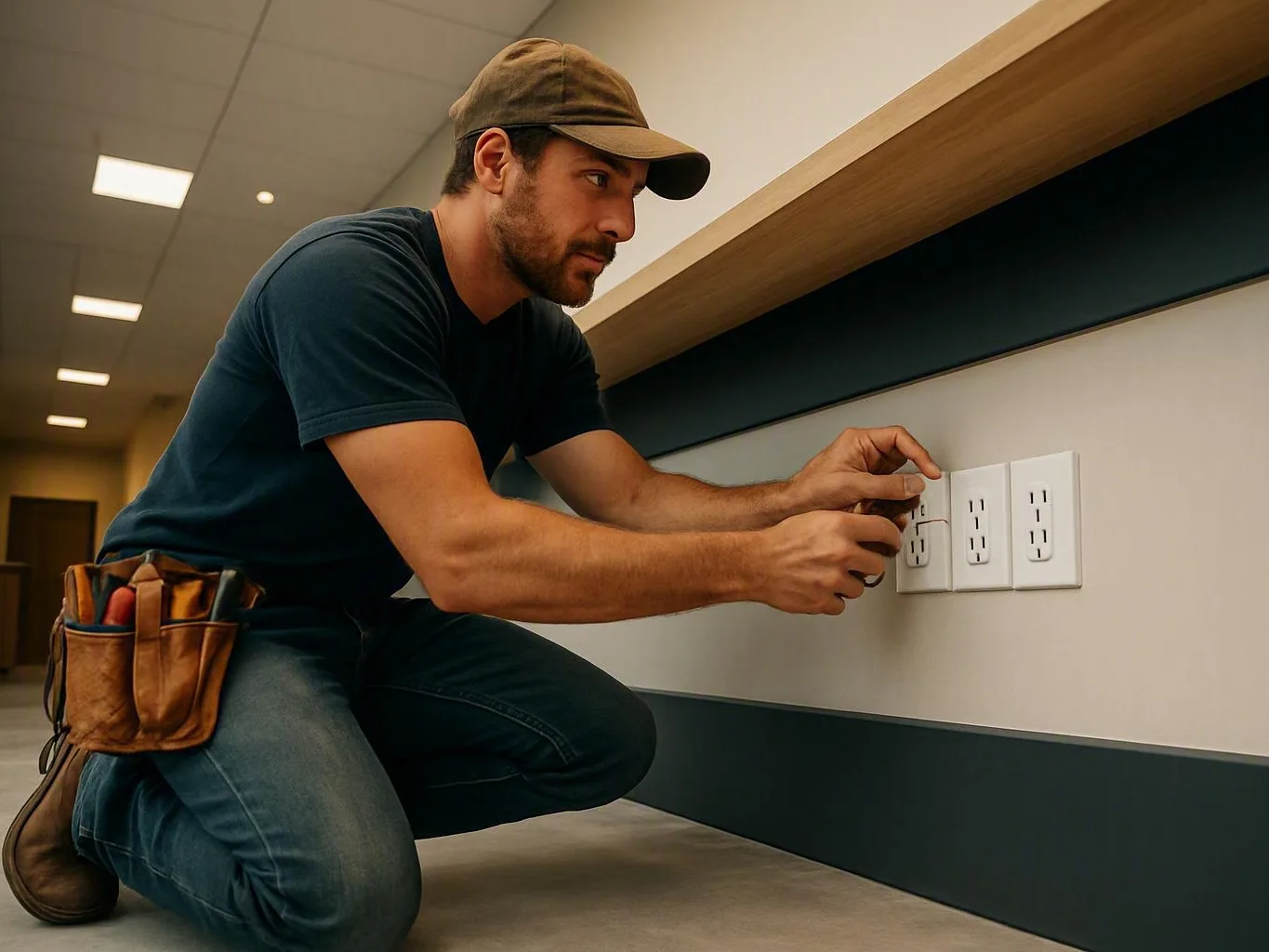
EV charger installation connects the charger to a protected home circuit. The electrician reviews the site, chooses compatible equipment, installs the wiring, tests the system, and explains safe use.
We start by discussing the vehicle, mileage, charging times, location, and future plans. Overnight charging may need a different setup than quick charging between work shifts. A possible second EV should also be part of the plan.
Permit and inspection rules depend on local laws and project size. They may apply to circuits, subpanels, service work, or other changes. Keep equipment and install records for future repairs or a home sale.
Professional help matters most with older panels, long wire runs, detached garages, and outdoor chargers. Our team can compare a direct circuit, load manager, subpanel, or full upgrade.
For homeowners considering Electric Vehicle Charger Installation in Fort Wayne, we can review the electrical design. Each home may need a different plan. The right choice depends on the panel, charger, location, and charging demand.
Chris Miller Electric connects each design to safe use and clear limits. Contact us to review your charging plans and choose the next step.
Discuss your EV charging planFeatures That Matter and Common Challenges for Home EV Charging
Good equipment balances speed, capacity, location, and easy use. A feature may not help if the panel or parking area can't support it.
Careful planning can solve many common problems. The answer may be lower charging, a longer route, load management, a subpanel, or a service upgrade.
Key Features That Matter
- Adjustable charging amperage can match charging output to home capacity.
- Load management can balance charging with other large loads.
- Cable reach should fit the parking spot without crossing paths.
- Clear lights and simple controls make daily use easier.
- Outdoor-rated parts matter when the charger faces weather.
Common Challenges
- Long wire runs can add material and voltage drop concerns.
- Older electrical panels may have safety or breaker issues.
- Limited breaker space may call for circuit changes or a subpanel.
- Detached garages may need trenching, feeder checks, or protected wiring.
- Outdoor locations may need conduit, sealed fittings, and impact protection.
Questions About Electrician
What Electrical Circuit Does a Home EV Charger Need?
A Level 1 charger usually uses a suitable 120-volt circuit. A Level 2 charger usually needs a dedicated 240-volt circuit with the right breaker, wires, grounding, and overcurrent protection. Ground-fault protection may also be required. The design depends on the EVSE, wire distance, panel, and local code.
Does an EV Charger Require a Panel Upgrade?
No. An upgrade is needed only when the load calculation, panel, service, breaker space, or equipment shows a safety problem. A new circuit, load manager, subpanel, or full upgrade may be the better choice.
Can I Install an EV Charger in a Garage or Outside?
Yes. A garage charger needs safe mounting, cable routing, and impact protection. An outdoor charger needs outdoor-rated equipment, safe enclosures, protected wiring, moisture control, and compliance with local rules.
What Is the Difference Between Level 1 and Level 2 Home Charging?
Level 1 charging uses about 120 volts and works more slowly. It can suit a car with a long overnight charging window. Level 2 uses about 240 volts and charges faster. It usually needs a dedicated circuit and added panel planning.
How Does an Electrician Determine Whether My Panel Can Support an EV Charger?
The electrician checks the service, panel, breakers, appliances, wires, and proposed charger. A load calculation compares home demand with available capacity. The review also checks voltage drop, wire distance, charger settings, future EVs, and possible upgrades.
Related Resources
Whole-Home Rewiring: Cost, Timeline, and What to Expect
whole house rewiring cost Fort Wayne IN
What It CostsEV Charger Installation in Fort Wayne: Cost, Panel Requirements, and Process
EV charger installation cost Fort Wayne IN
What It CostsHot Tub and Pool Electrical Wiring: Cost, Scope, and Scheduling
hot tub and pool electrical wiring cost Fort Wayne
How It WorksHeat-Pump Electrical Hookups: Circuits, Panel Capacity, and Installation
heat pump electrical hookup and panel upgrade Fort Wayne