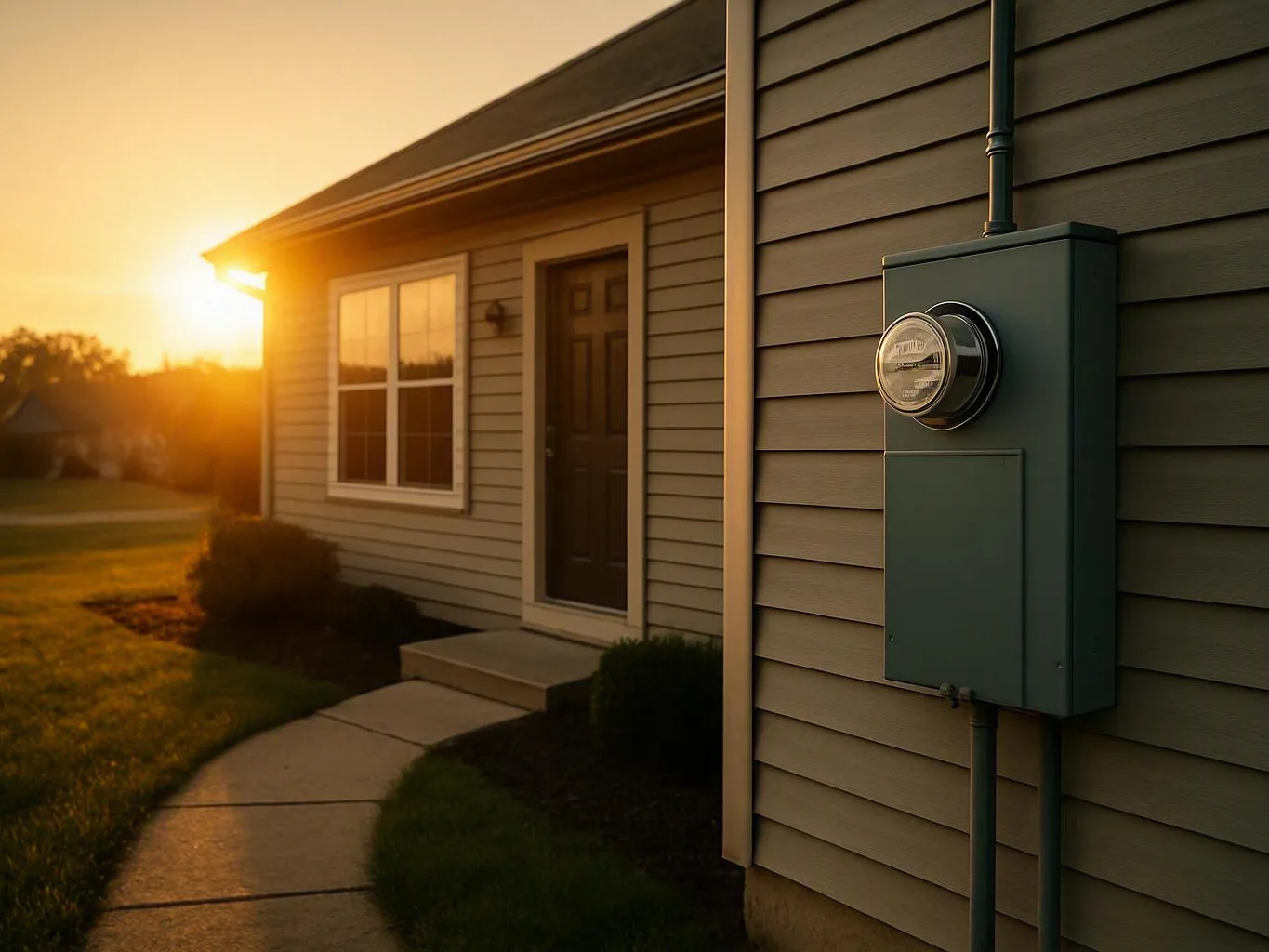
How Electrical Panel Upgrades Prepare Modern Homes
Electrical panel upgrades give homes more power capacity. They can also improve safety and support new equipment. A qualified electrician checks the current service and wiring. They also complete a load calculation (a power-use check). The review may show a need for a main panel upgrade, subpanel, or dedicated circuit. It may also support an electrification-ready plan. Warning signs include breaker trips, heat, old equipment, and limited space. New EV chargers, heat pumps, and electric ranges may also need more power. The best choice depends on the home’s load, service rating, layout, and local permit rules.
Get a Free Estimate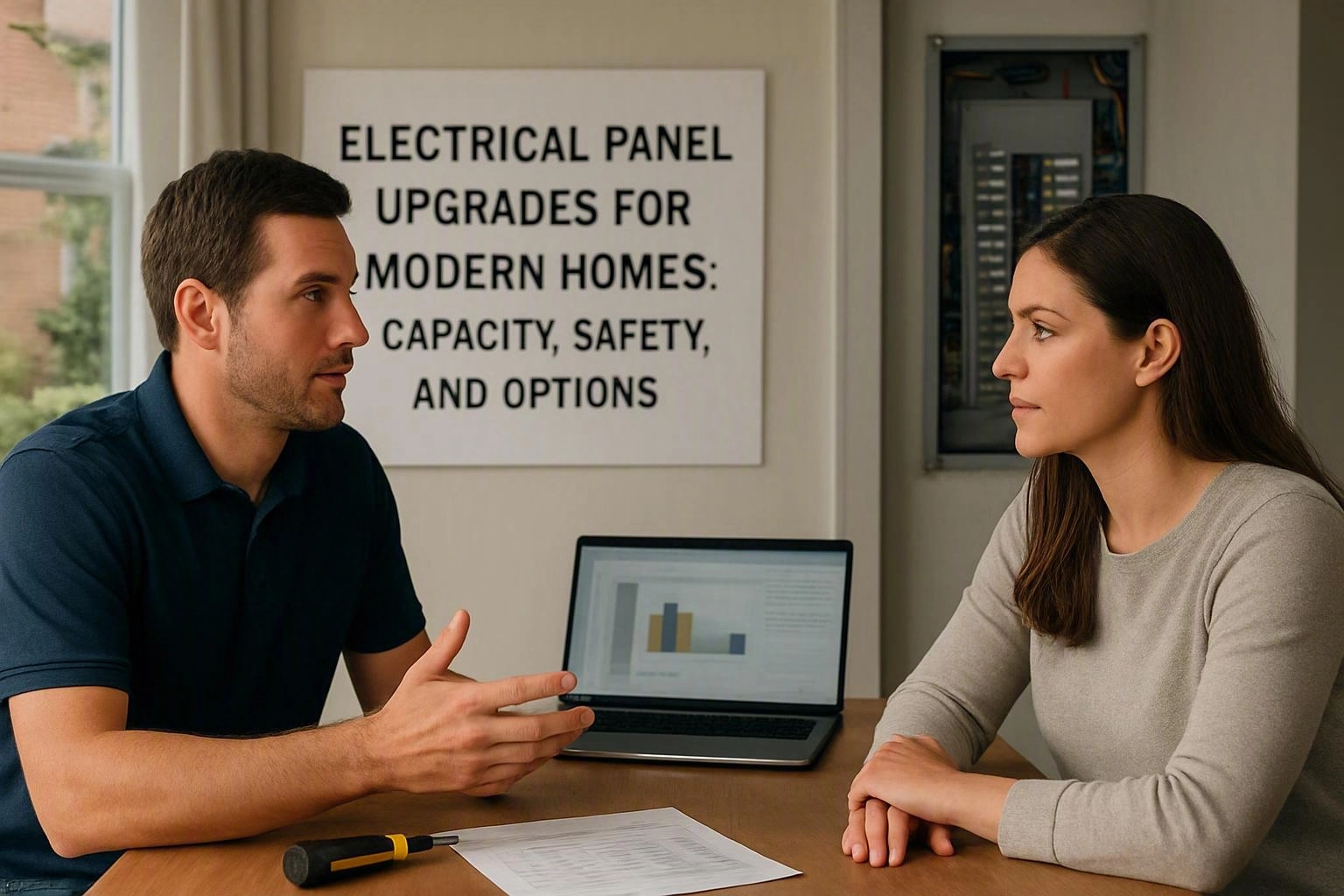
Electrical panel upgrades improve capacity and safety in modern homes. They also help homes prepare for new electric equipment. Chris Miller Electric helps homeowners find the right solution. That may mean a new service panel, more circuit space, or smaller wiring work. We plan each job around current and future power use.
When Does a Home Need an Electrical Panel Upgrade?
Electrical panel upgrades may help when breakers trip often. They may also help with heat, damage, old equipment, or limited circuit space. New high-demand loads can create another need. A qualified electrician should inspect the panel before suggesting an upgrade.
These signs don't always mean a full panel replacement. They do show that the system needs a careful review.
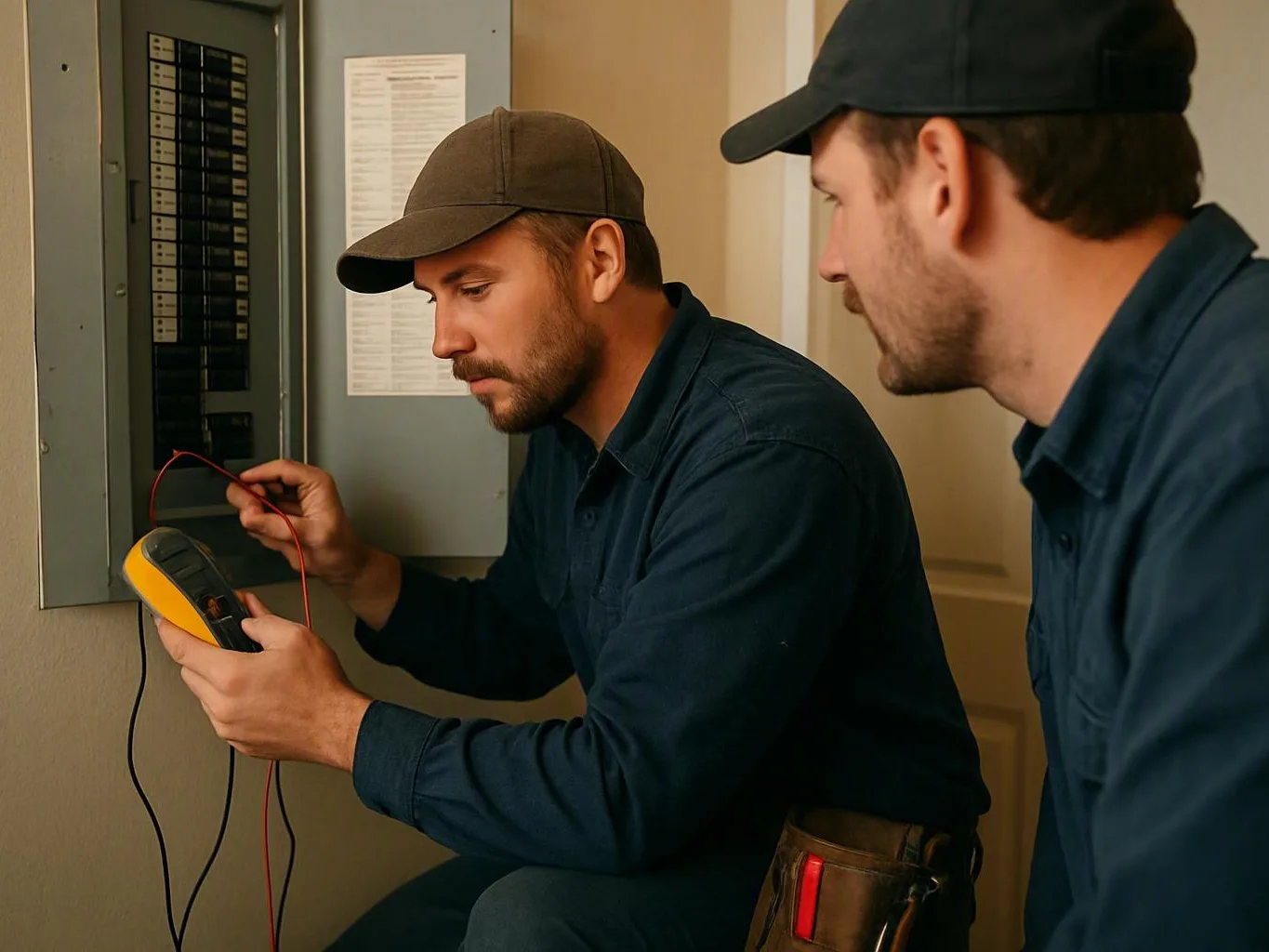
Our team checks the main breaker and bus bars (metal power bars). We also check the service rating, grounding, bonding, and wire condition. A 200-amp panel upgrade may fit one home. It may be wrong for another home. A load calculation helps show the right answer.
How to Tell Whether Your Electrical Panel Has Enough Capacity?
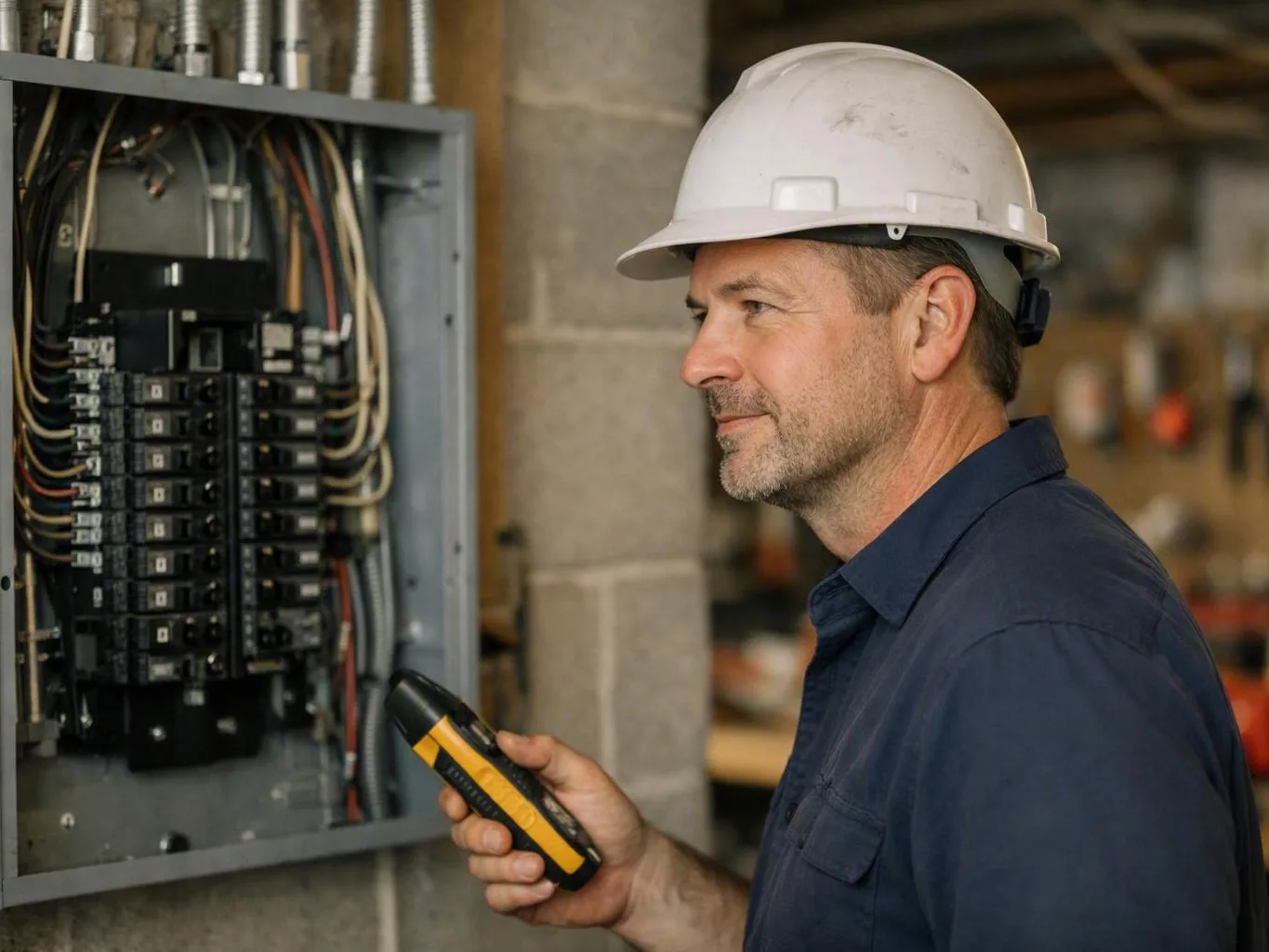
Electrical load calculation shows if a home's power use fits its service rating. An electrician compares current loads with planned equipment. They also check the main breaker and service wires. This helps confirm if the home can handle future demand.
Amperage is only part of the answer. A panel rating doesn't mean every circuit can run fully at once. The calculation looks at connected loads and expected use.
An electric water heater affects the result, so do HVAC equipment, cooking appliances, lights, outlets, laundry equipment, and an EV charger. Some equipment runs all the time. Other equipment turns on and off. The electrician follows local rules for both types of loads.
The main breaker shows the service rating. It doesn't replace testing or calculation. Service wires, meter equipment, the panel bus, breakers, and grounding must also match. Empty breaker spaces don't prove that the home has enough total capacity.
Most home reviews take a few hours. The time depends on access and available records. A written scope should list current demand and planned additions. It should also note panel capacity, wire condition, and future needs. This helps homeowners compare a panel upgrade with a smaller repair.
What a Load Calculation Reveals Before the Work Begins?
A load calculation shows if the home's demand fits the service. It also shows which equipment uses the most power. This helps separate a capacity problem from a circuit-space problem.
| Item reviewed | What it shows | Why it matters |
|---|---|---|
| Existing service | Service rating and available amperage | Sets the starting limit for planned demand |
| Electric water heater | Heating load and operating pattern | May affect available capacity during peak use |
| HVAC equipment | Heating and cooling demand | Supports safe planning for a heat pump or replacement system |
| EV charger | Charging demand and required circuit | May require load management or service changes |
| Future equipment | Likely additions such as a range or workshop | Prevents a short-term fix that limits later upgrades |
A load calculation connects home use with safe equipment choices. It prevents guesses based only on panel age or breaker count. It also prevents copying a neighbor's setup.
Panel Upgrade or Subpanel: Which Option Fits Your Home?
Main panel upgrade work improves the home's main service equipment. A subpanel adds circuit space after the main panel. A subpanel can serve an addition or organize circuits. It doesn't automatically add more total power. The right choice needs a load and wiring check.
A subpanel can work well for a workshop or garage. It can also serve a basement, addition, or remodeled room. Feeder wires run from the main panel to the subpanel. New breakers then serve the area. The feeder and breaker must match the planned load.
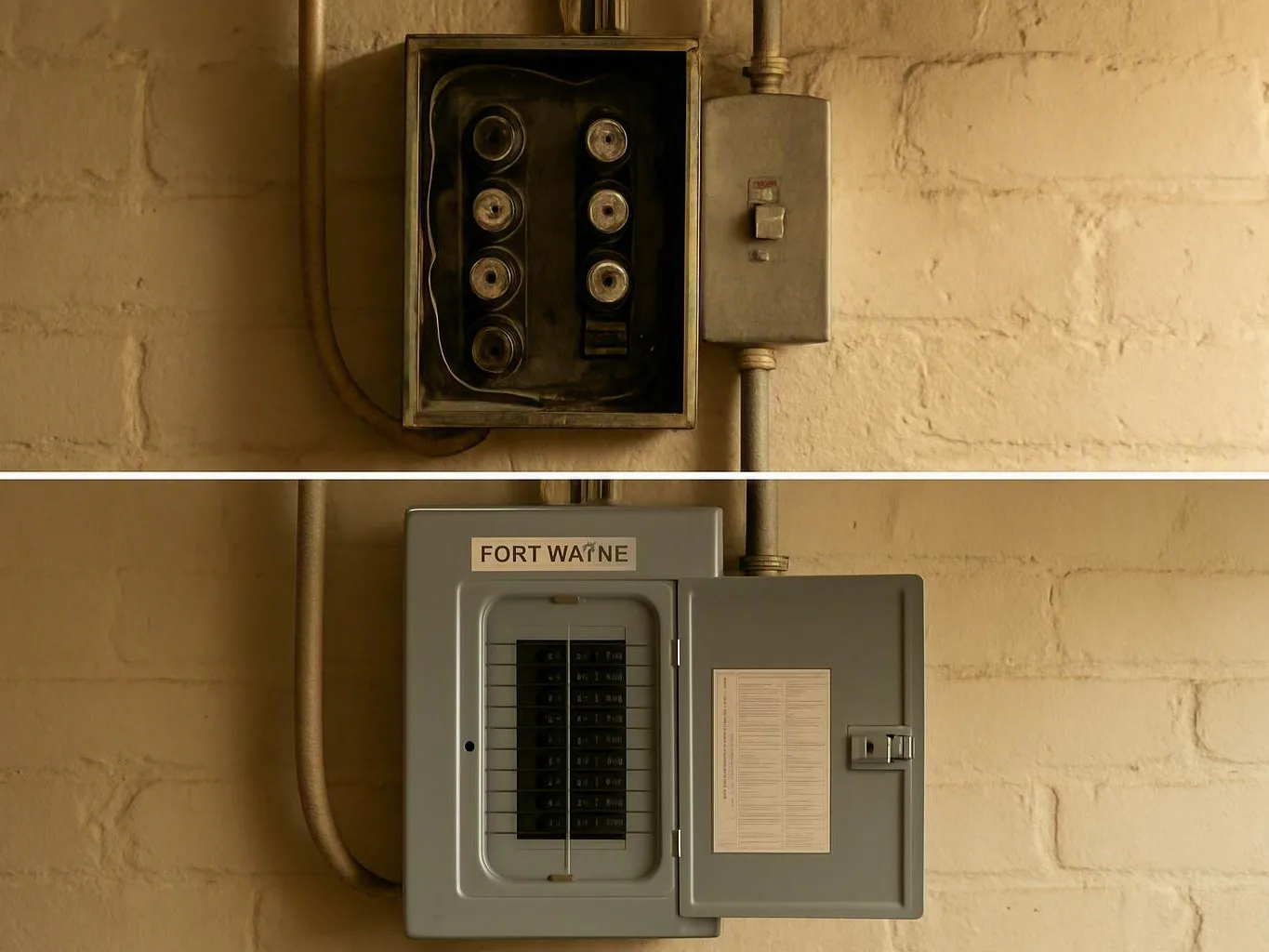
A service panel upgrade may fit damaged or old equipment. It may also help when the panel is too small. The same applies when planned work won't fit the current equipment. The upgrade can create a safer base for new circuits. Utility and local inspection steps may also apply.
A panel upgrade and subpanel have different jobs. The main panel connects to the electrical service. A subpanel spreads power after it enters the home. It can't provide more power than the incoming service allows.
Our team checks panel capacity, feeder length, and wire condition. We also review the layout, breaker space, grounding, bonding, and future demand. A dedicated circuit may solve one appliance need. The safest smaller fix may be the best choice.
Many homes need a plan for current and future use:
Can a Panel Upgrade Support an EV Charger and Heat Pump?
EV charger and heat pump equipment can work when the service and wiring support them. The load calculation must also show enough capacity. If capacity is low, an electrician may suggest load control or a dedicated circuit. A subpanel or service change may also help.
An EV charger may run for several hours. It can add a large steady load. Its circuit must match the charger, wires, breaker, and connection type. The garage location and wire distance also affect the plan.
A heat pump adds heating and cooling demand. The electrician checks its nameplate, starting needs, disconnect, and wire size. Other home loads matter too. This includes an electric range, water heater, and dryer.
An energy management system can control when some loads run. It doesn't remove the need for safe wiring and protection. Local rules must also allow the setup.
Electrification planning should include likely future work. Our team can check if the service supports one circuit or several. We can also plan an electrification-ready panel for future equipment.
Electrical Panel Upgrade Options for Modern Household Needs
Homes need different electrical solutions for different problems. A main panel upgrade addresses service capacity. A subpanel adds organized circuit space. Dedicated circuits serve single appliances. Electrification-ready equipment supports EV chargers and heat pumps. Surge protection and clear labels can also improve the system.
Safety and control features may also help:
Homeowners should compare each option by load and service rating. They should also check breaker space and wire condition. Equipment fit and future demand matter too. A smaller repair may suit one appliance. A larger upgrade may work better during a remodel.
Some homes have limited wall space or hidden wires. Others have old meter connections or long feeder runs. Power may need to shut off during the work. Our crews explain these details before starting. We don't treat every home like the same project.
What to Expect During an Electrical Panel Upgrade?
Electrical inspection and planning come first. Next comes equipment choice and permit work. The electrician then disconnects power and installs the equipment. They test the system and label the circuits. A final inspection may follow.
Most projects need a temporary power outage. It may last several hours. Access, utility work, hidden issues, and inspection timing can change the schedule. The work plan should explain the outage and testing steps.
Permit and inspection rules vary by local authority. These steps document code compliance and safe operation. Our team follows the process that fits each project.
Questions to Ask Before Choosing an Electrical Contractor
Ask the qualified electrician to explain the work in plain language. Confirm that the quote lists the load calculation and permit work. It should also list the service disconnect, panel change, grounding checks, labels, testing, and final inspection.
Ask which panel maker and model the electrician will use. Check that the breakers are approved for that panel. Ask how future circuits can be added. Review both equipment and labor warranty terms.
A clear quote should explain power outages and access needs. It should also cover cleanup and inspection steps. Ask how hidden conditions may change the work. We explain safety concerns before installation begins.
Questions About Electrician
When Does a Home Need an Electrical Panel Upgrade?
A home may need one when breakers trip often or equipment overheats. It may also need one for damage, old equipment, limited space, or new loads. A professional should inspect the service, wires, grounding, and demand first.
How Do I Know if My Electrical Panel Has Enough Capacity?
An electrician performs an electrical load calculation. They compare demand with the service rating, main breaker, service wires, and planned equipment. Empty breaker spaces don't prove enough total capacity.
What Is the Difference Between a Panel Upgrade and a Subpanel?
A panel upgrade improves or replaces the main service equipment. A subpanel adds circuit space after the main panel. A subpanel doesn't automatically increase the property's total electrical capacity.
Can a Panel Upgrade Support an EV Charger and Heat Pump?
It can when the service, panel, wiring, and load support them. If capacity is low, options may include a dedicated circuit or load control. A subpanel or service change may also help.
Why Is a Load Calculation Needed for a Panel Upgrade?
It compares home power use with service capacity. This prevents guesswork. It also shows if the project needs a main panel, subpanel, dedicated circuit, or another safe solution.
For homeowners comparing Electrical Panel Upgrade in Fort Wayne, our team can review the service and planned equipment. We can also discuss Subpanel Installation for areas that need more circuit space. Contact us for a clear work plan and next-step review.
Contact our team about your home electrical needs
Get a Free EstimateRelated Resources
How Much Does an Electrician Cost in Fort Wayne?
electrician cost Fort Wayne IN
What It CostsWhole-Home Rewiring: Cost, Timeline, and What to Expect
whole house rewiring cost Fort Wayne IN
What It CostsEV Charger Installation in Fort Wayne: Cost, Panel Requirements, and Process
EV charger installation cost Fort Wayne IN
What It CostsHot Tub and Pool Electrical Wiring: Cost, Scope, and Scheduling
hot tub and pool electrical wiring cost Fort Wayne